

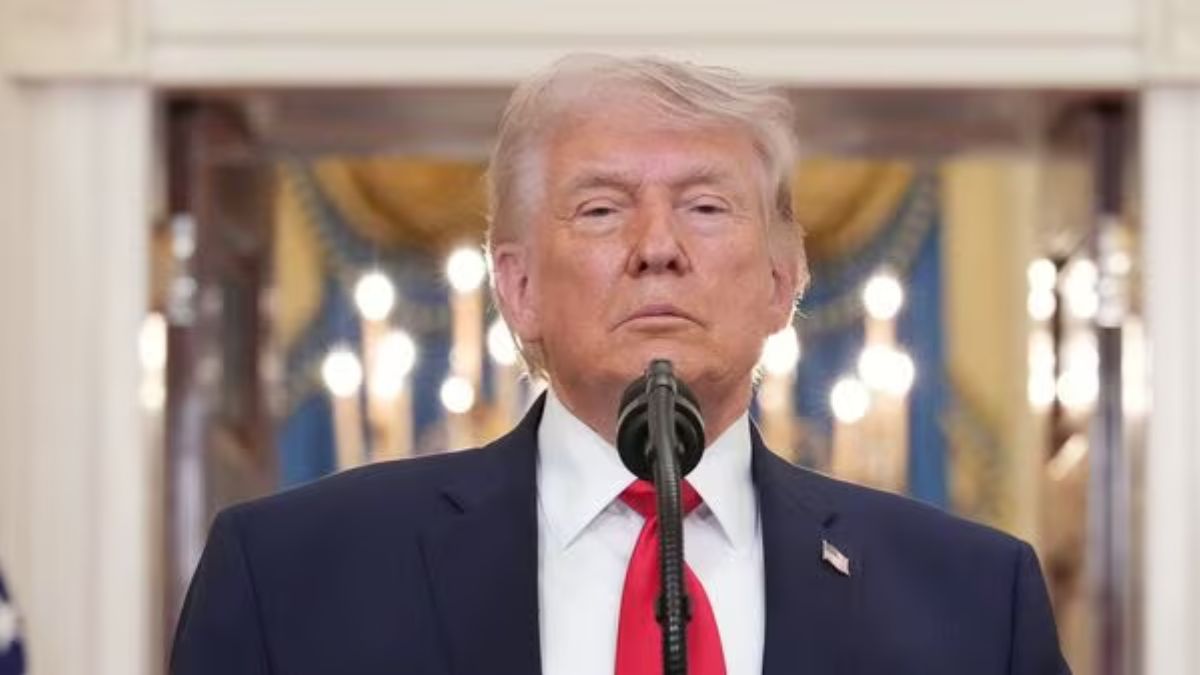
In a decisive escalation of diplomatic pressure, Donald Trump has declared that the deadline set for Iran to reach a deal with the United States is final, underscoring the urgency of negotiations amid an intensifying regional conflict. Speaking on Monday at a White House Easter event, Trump made it clear that the window for agreement would close on Tuesday, leaving little room for further delay.
Addressing recent developments, Trump acknowledged that Iran had submitted what he described as a “significant proposal,” indicating a degree of progress in ongoing negotiations. However, he was unequivocal in his assessment that the proposal falls short of expectations, stating that it is “not good enough” to secure a resolution at this stage. The remarks reflect a delicate diplomatic moment, where both sides appear to be engaged in active negotiations, yet remain divided on critical terms. Trump suggested that Iran has been negotiating in good faith, a notable acknowledgment that contrasts with his firm stance on the inadequacy of the current proposal. This dual messaging highlights the complexity of the talks, balancing cautious optimism with clear demands for further concessions.
Central to Trump’s position is the assertion that the conflict could be brought to a swift conclusion if Iran agrees to specific conditions set by the United States. While the exact details of these conditions have not been publicly disclosed, the statement reinforces Washington’s expectation of substantive commitments as a prerequisite for any agreement. The timing of the deadline is particularly significant given the broader geopolitical context. The ongoing conflict, involving Israel and regional actors, has heightened global concerns over stability in the Middle East and the security of critical energy routes. Diplomatic efforts to de escalate tensions have intensified, with multiple stakeholders seeking a negotiated outcome.
Trump’s insistence on a firm deadline introduces a sense of immediacy into the process, potentially accelerating negotiations but also raising the stakes. Should the deadline pass without agreement, the risk of further escalation remains pronounced, with implications for regional security and global markets. As the deadline approaches, attention will be closely focused on whether Iran is willing to revise its proposal to meet United States expectations.