

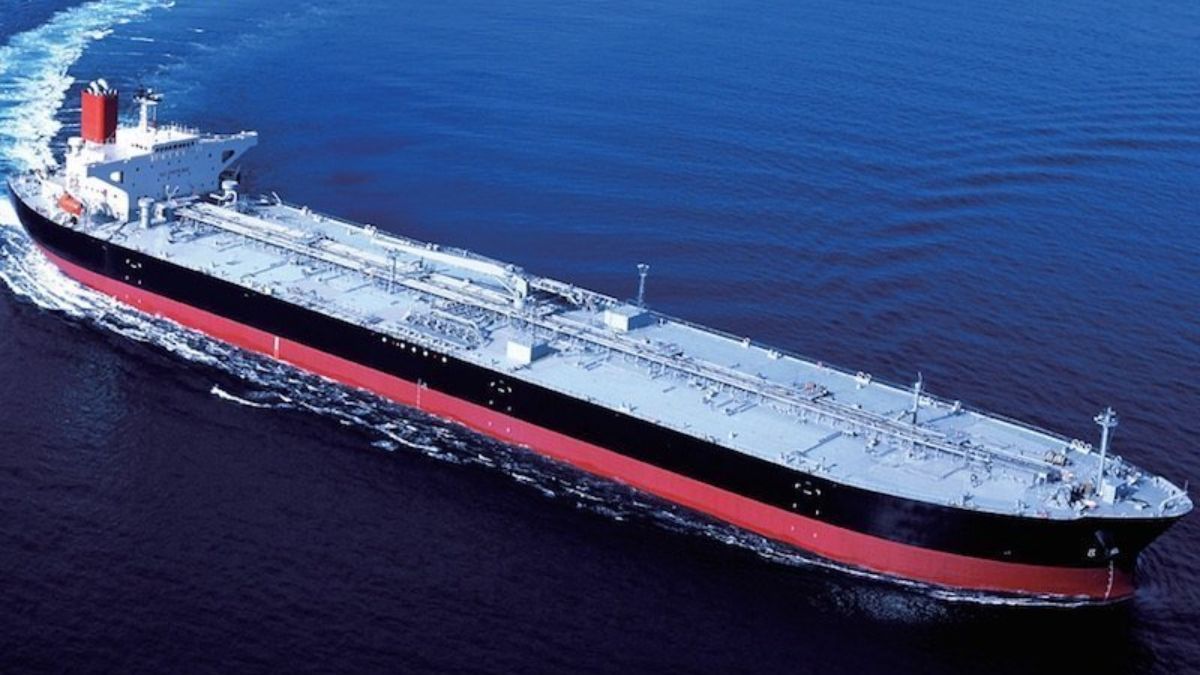
A Hong Kong flagged tanker, identified as the Sea Horse, has commenced discharging approximately 200,000 barrels of Russian origin fuel at an independently owned terminal in Venezuela after abandoning its initial voyage to Cuba. According to vessel tracking data and market sources, the tanker had remained stranded in the Atlantic Ocean for several weeks before altering course. The cargo, initially intended to alleviate Cuba’s deepening fuel crisis, became entangled in the evolving enforcement of a United States led oil blockade targeting the island nation.
The rerouting of the Sea Horse must be understood within the broader framework of Washington’s restrictive measures on fuel shipments to Cuba. The policy, designed to exert economic pressure, has significantly disrupted the island’s access to energy supplies, forcing both suppliers and shipping operators to reassess risk exposure.
In this instance, the tanker’s prolonged idling in the Atlantic highlights the operational uncertainty created by sanctions enforcement. Shipping entities, insurers, and cargo owners increasingly face a complex matrix of compliance risks, including potential penalties, denied port access, and financial isolation. The decision to redirect the cargo to Venezuela represents a pragmatic response to these constraints, ensuring commercial recovery while avoiding direct confrontation with US regulatory measures.
The eventual discharge of the cargo in Venezuelan waters, specifically near Puerto Cabello, signals the country’s continued role as a flexible node within sanctioned energy networks. Venezuela’s own strained relationship with the United States and its established infrastructure for handling politically sensitive shipments make it a logical alternative destination. This development also reflects a broader pattern in global oil logistics, where sanctioned or restricted cargoes are frequently rerouted through intermediary jurisdictions capable of absorbing and redistributing such supplies.
The episode underscores the growing importance of vessel tracking technologies and maritime intelligence in monitoring global trade flows. The movement of the Sea Horse, from its initial loading to its extended Atlantic drift and eventual diversion, was closely followed through ship tracking services. Such transparency has transformed the enforcement landscape, enabling regulators and market participants alike to detect anomalies, identify sanction circumvention risks, and respond in near real time.
The diversion of this cargo further exacerbates Cuba’s already critical energy shortages. The island has been grappling with severe fuel deficits, leading to widespread power outages and economic disruption. While limited exceptions and humanitarian considerations have occasionally allowed certain shipments to proceed, the broader blockade continues to constrain supply channels. The inability of the Sea Horse to complete its original voyage illustrates the fragility of Cuba’s energy lifelines under current geopolitical conditions.
The rerouting of a single tanker may appear operational in nature, yet it carries significant geopolitical implications. It reflects the increasing use of energy supply chains as instruments of foreign policy, where access to fuel becomes contingent on compliance with broader strategic objectives. For Russia, such disruptions complicate efforts to support allied nations through energy exports. For Venezuela, they reinforce its position within an alternative network of sanctioned trade. For global markets, they introduce additional layers of uncertainty and volatility.
The journey of the Sea Horse from a Cuba bound tanker to a Venezuelan discharge vessel encapsulates the evolving dynamics of global energy trade under sanctions pressure. It highlights how legal frameworks, geopolitical rivalries, and commercial imperatives intersect to reshape traditional supply routes. As sanctions regimes become more assertive and enforcement mechanisms more sophisticated, such rerouting incidents are likely to become increasingly common. In this environment, maritime adaptability is no longer merely a logistical advantage but a strategic necessity.