

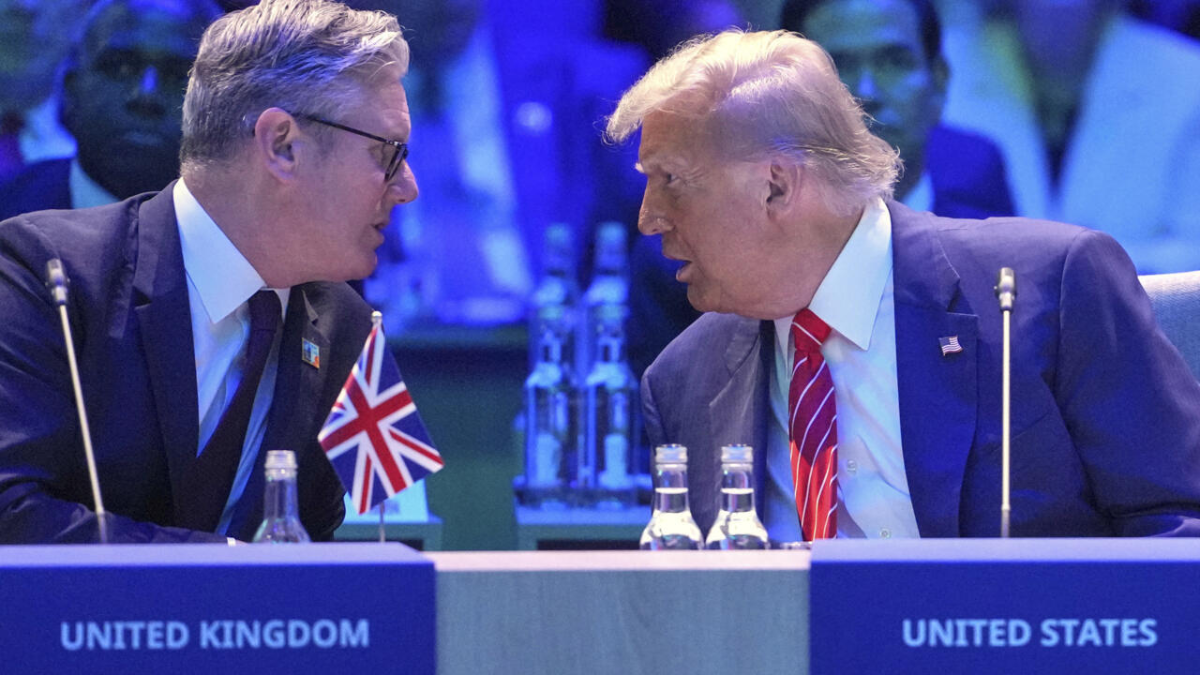
Britain and its NATO allies are quietly moving to reduce their dependence on Donald Trump’s America as fears grow that Washington may become less reliable in a future crisis. The shift is not a formal rupture with the United States, but it does show a clear effort to prepare for a more unpredictable transatlantic order.
Why has the concern deepened
The immediate driver is Trump’s renewed hostility toward NATO and his willingness to question established alliance commitments. European governments are worried that the US could become less predictable on issues ranging from deterrence to crisis response, especially if Trump treats allies as transactional partners rather than security guarantors. That concern has grown sharper during the Iran crisis, where Washington’s posture has been seen as erratic and difficult to read.
Britain’s strategic rethink
Britain is not abandoning the US, but it is clearly trying to hedge. The UK remains heavily dependent on America for intelligence, nuclear deterrence support, advanced military systems, and wider strategic backing. That dependence has now become a vulnerability, so London is broadening defence cooperation with European allies and other partners to make sure it is not left exposed if US policy shifts suddenly. This is why the language of “pulling away” is only partly accurate. Britain is not exiting the American orbit; it is building a backup plan in case the orbit becomes unstable.
NATO’s internal strain
The wider alliance is feeling the same pressure. NATO still exists and still matters, but Trump’s rhetoric has revived doubts about whether the US will remain the anchor of European security in the same way it once was. That uncertainty forces European governments to think more seriously about self-reliance, burden sharing, and the possibility that they may need to deter threats with less automatic American support. The Independent reported that European unease is also affecting NATO leadership dynamics, with allies wary of any attempt to keep Trump closely tied to the alliance while he continues to criticise it. In practical terms, this means more discussion of European readiness and less blind confidence in American guarantees.
What “save it from itself” means
The phrase reflects a very specific European view of the Trump era. Britain and its allies still see the US as indispensable, but they also believe Trump’s approach could damage the alliance from within by turning security commitments into political bargaining chips. Reducing dependence is therefore not an anti-American gesture; it is an effort to preserve the alliance by making Europe less vulnerable to US volatility.
What happens next
The likely outcome is a gradual rebalancing rather than a dramatic split. Britain will probably keep working with Washington while simultaneously strengthening its European and international security options. The deeper message is that NATO’s members are no longer assuming US leadership will always be steady, and that alone marks a major change in the way the alliance thinks about its future.