

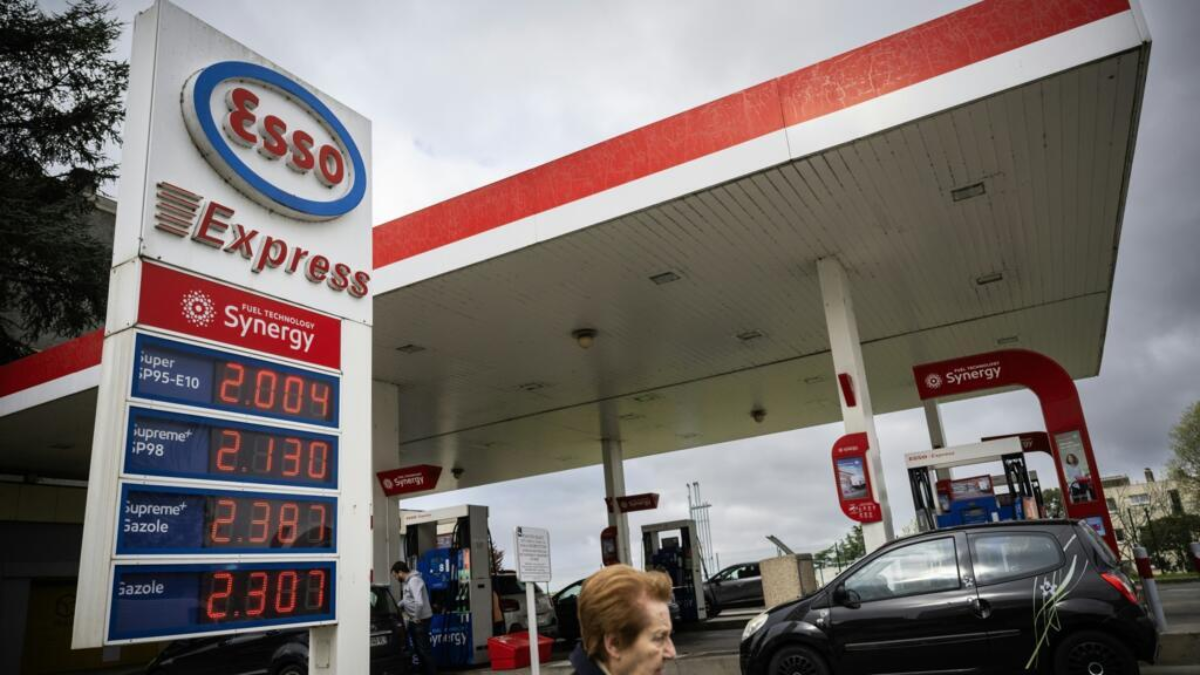
The first and most visible transmission channel is oil. When tensions in the Middle East rise, Brent crude tends to jump because traders price in the risk of disruption to shipping lanes, especially the Strait of Hormuz, which is central to global energy flows. Once a ceasefire is announced and markets believe the risk has reduced, crude often falls quickly, and that is usually the first step toward lower petrol and diesel costs in the UK. However, that does not mean forecourts cut prices overnight, because retailers still have to work through fuel bought at earlier, higher wholesale prices. That lag matters for households. If crude stays lower for several days or weeks, UK drivers should begin to see the benefit in wholesale fuel contracts first and then at the pump later. The reduction is also unlikely to be dramatic unless the ceasefire leads to a lasting de-escalation and shipping routes remain secure. In other words, the ceasefire can cool the market, but it does not instantly erase the price shock created during the conflict. Another reason the effect may be muted is that oil prices are influenced by more than one event. Traders will also be watching OPEC policy, global demand, US production, shipping insurance costs, and the overall geopolitical outlook. So even if the ceasefire is genuine, a bounce back in prices is possible if the truce looks fragile or if attacks resume elsewhere in the region.
Food prices
Food is affected less directly than fuel, but the Middle East conflict still matters because energy costs sit behind almost every stage of the food supply chain. Farmers rely on fuel, fertiliser, feed, processing, refrigeration, packaging, and transport, all of which become more expensive when oil and gas prices rise. That is why a fall in crude prices can eventually relieve pressure on food inflation, although the benefit usually arrives more slowly than the benefit at the petrol station. Supermarkets also tend to smooth out pricing. They do not immediately pass wholesale savings on to consumers, especially if they were locking in higher costs through long-term contracts. As a result, even if the ceasefire stabilises energy markets now, shoppers may not notice much difference for several weeks or even months. Some items, particularly imported goods and energy-intensive products, may still rise in price before the easing effect becomes visible. There is also a broader international dimension. Disruption in the region can raise shipping and insurance costs, and those costs are built into the price of imported food. If the ceasefire protects maritime routes and reduces the risk of wider escalation, that should help calm freight costs too. But if the truce is only partial, or if tensions remain high around the Gulf and Red Sea, food inflation could remain sticky even with lower oil prices.
What households may notice
For most UK households, the realistic near-term outcome is not a dramatic drop in weekly spending but a slowdown in how fast prices are rising. That distinction matters. A fall in inflation means prices are still high, just rising more slowly. So a ceasefire may prevent another sharp jump in bills, but it does not automatically return petrol, diesel, bread, meat, or dairy to earlier price levels. The first signs may appear at the pump, where competition between retailers can sometimes bring prices down relatively quickly once wholesale costs ease. Food bills are harder to predict because they are shaped by many moving parts, including labour, warehousing, crop conditions, and import costs. If energy remains calmer for a sustained period, the pressure should gradually ease across the grocery sector, but this is a slow-moving adjustment rather than a sudden correction.
Risks that remain
The biggest risk is that the ceasefire fails or becomes geographically limited. If conflict resumes, oil prices could rebound just as quickly as they fell, and any benefit to UK households would disappear. Another risk is that markets remain nervous even without fresh fighting, because traders often price in uncertainty long before it shows up in physical shortages. There is also the possibility that food prices keep rising for reasons unrelated to the conflict, such as poor harvests, labour shortages, or currency weakness. So while the ceasefire is helpful, it is only one piece of the inflation puzzle. It reduces one source of pressure, but it does not remove the structural costs already embedded in the UK economy.
Overall impact
The most accurate way to read the ceasefire is as a relief mechanism, not a cure. It should ease some pressure on UK fuel prices first and, if it holds, help soften food inflation later. But consumers should expect the benefits to arrive slowly, to vary by product, and to depend heavily on whether the Middle East stays calm long enough for energy and shipping markets to settle.