

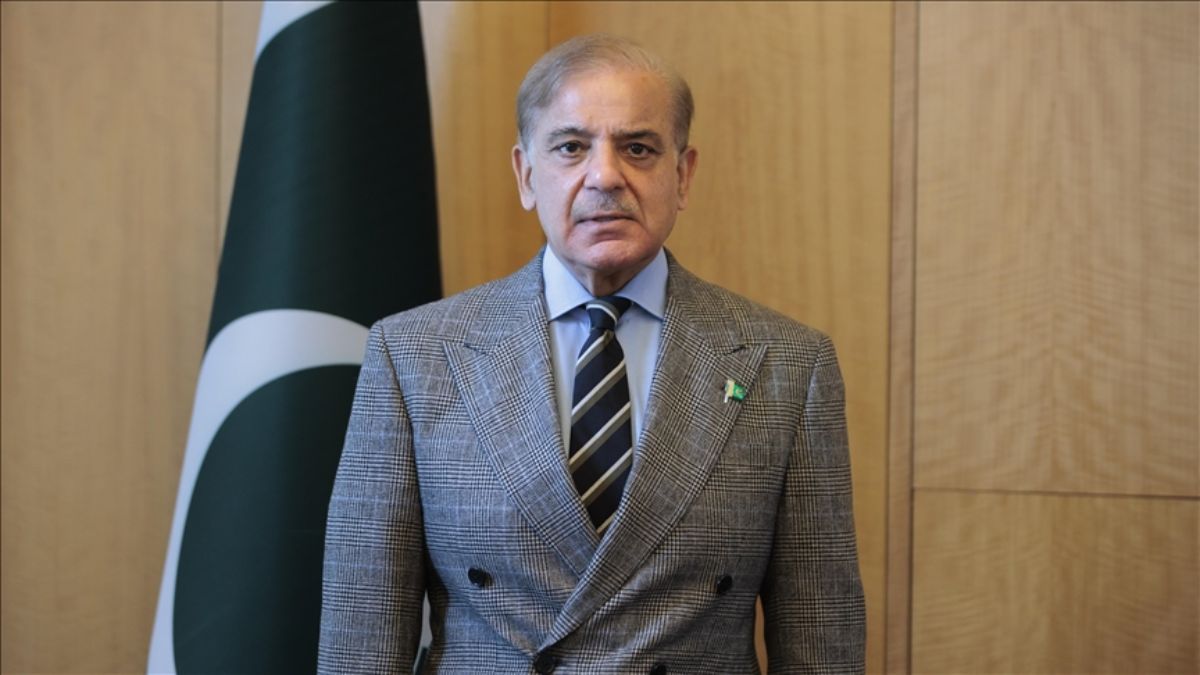
In a significant diplomatic intervention, Pakistan has called for an immediate two-week ceasefire across the conflict-ridden Middle East, urging all parties to create space for ongoing peace efforts to yield tangible results. The appeal includes a direct request to Donald Trump to extend any existing strategic deadline, alongside a parallel call on Iran to reopen the critical Strait of Hormuz as a gesture of goodwill.
According to the statement, diplomatic efforts aimed at resolving the ongoing war in the Middle East are progressing steadily, strongly, and with increasing momentum. Pakistan has expressed optimism that these negotiations could soon produce substantive outcomes, provided that immediate hostilities are paused. The proposed two-week window is being framed as a decisive opportunity for diplomacy to transition from dialogue to resolution, potentially shaping a pathway towards a durable peace settlement in the region.
Pakistan’s appeal places equal emphasis on actions by both Washington and Tehran. By requesting an extension from Donald Trump, Islamabad seeks to prevent any escalation linked to looming deadlines or policy triggers that could derail negotiations. Simultaneously, Pakistan has urged Iran to temporarily reopen the Strait of Hormuz, one of the world’s most strategically vital energy corridors. The move is being proposed as a confidence building measure designed to ease tensions and stabilise global energy markets during the negotiation period.
Crucially, the proposal extends beyond bilateral gestures. Pakistan has called on all warring parties across the Middle East to observe a complete ceasefire for the same two week duration. The aim is to create a unified pause in hostilities that would allow diplomatic channels to operate without disruption. Analysts suggest that such a coordinated ceasefire, even if temporary, could significantly reduce immediate humanitarian risks while fostering an environment conducive to serious negotiations.
The Strait of Hormuz remains a focal point of global concern, given that a substantial share of the world’s oil supply transits through the narrow waterway. Any disruption has immediate ripple effects across international energy markets, trade flows, and inflation dynamics. A temporary reopening, as proposed, could help stabilise oil prices and reassure markets that supply chains will remain intact during the negotiation phase.
Pakistan’s intervention reflects its broader diplomatic positioning as a proponent of de escalation and regional stability. By engaging both the United States and Iran, Islamabad appears to be positioning itself as a constructive voice advocating restraint and dialogue. The emphasis on a finite two week timeline underscores the urgency of the situation, while also signalling confidence that meaningful progress can be achieved within a short, focused diplomatic window.
While it remains uncertain whether the parties involved will accept Pakistan’s proposal, the call for a synchronised ceasefire, coupled with specific confidence building measures, introduces a structured framework for de escalation. If implemented, the proposed pause could mark a turning point in the conflict, offering a rare opportunity for diplomacy to deliver a conclusive end to hostilities and lay the groundwork for long term peace and stability in the Middle East.