

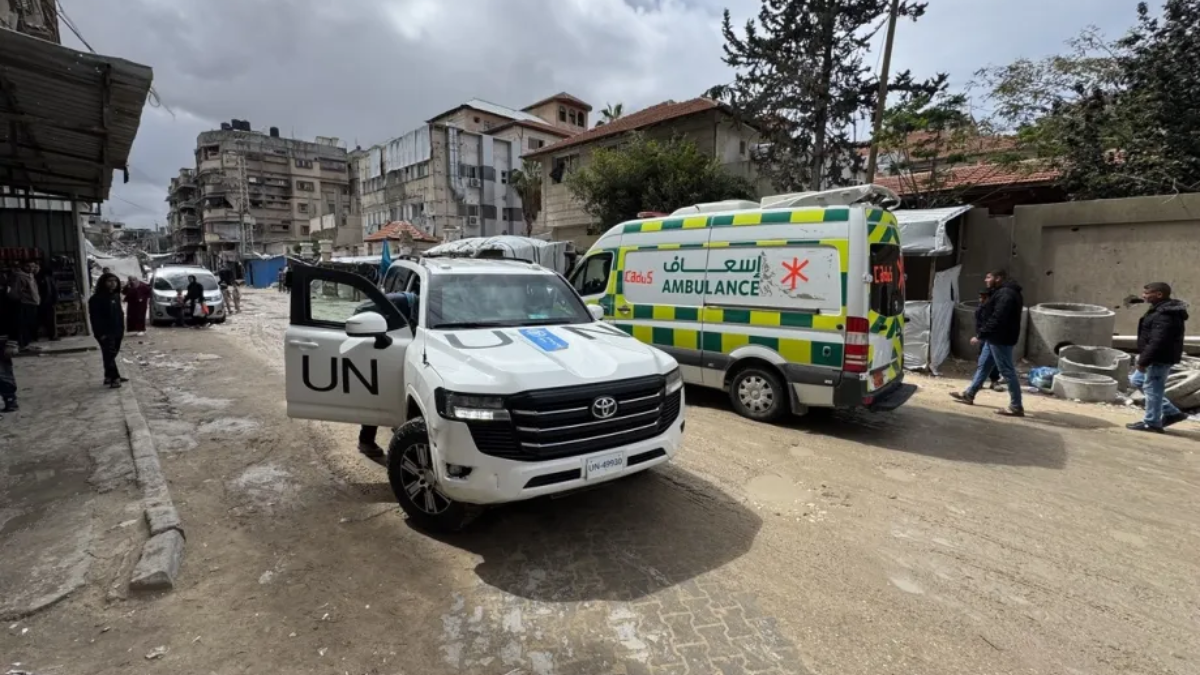
The World Health Organization has suspended medical evacuations from Gaza after a contractor working with the agency was killed during an incident involving Israeli troops, according to reports from the WHO and major news outlets. The immediate effect is severe: patients needing treatment outside Gaza through Rafah are now facing an open-ended delay, and the WHO said the evacuations will remain suspended until further notice.
What happened
WHO said a person contracted to provide services in Gaza was killed during a security incident, while two staff members were present but were not injured. The Israeli military said its troops fired at a vehicle because they believed it posed an immediate threat, and said the incident is under review. Gaza health officials and some local reports said the vehicle was a WHO-marked vehicle operating in southern Gaza, though the precise sequence of events remains disputed.
Why it matters
Rafah is the key exit route for medical transfers from Gaza to Egypt, so suspending evacuations cuts off one of the few remaining pathways for urgent care. WHO and local hospital sources have said more than 18,000 Palestinian patients are waiting for medical evacuation, which means even a temporary halt can have life-threatening consequences for trauma patients, cancer patients, and people needing specialist surgery. The broader humanitarian concern is that this incident adds another layer of risk to operations already constrained by insecurity, damaged infrastructure, and movement restrictions.
Legal and diplomatic angle
From an international law perspective, the case raises serious questions under the law of armed conflict about the protection of humanitarian personnel, the duty to distinguish between civilians and military objectives, and the obligation to facilitate impartial medical relief. If a clearly marked humanitarian vehicle was hit, the legal scrutiny becomes sharper, because attacks on relief operations can trigger questions about proportionality, precaution, and potential unlawful targeting. Diplomatically, the suspension also increases pressure on Israel, the UN system, and mediating states because any disruption to medical evacuation deepens the reputational and political costs of the conflict.
Practical fallout
The practical outcome is that Gaza’s already fragile medical referral system becomes even more constrained, and the burden shifts onto hospitals inside Gaza that are struggling with shortages, damaged facilities, and limited specialist capacity. Even if the suspension is short-lived, the interruption will likely worsen backlogs and may lead to preventable deaths among patients who had already been cleared for transfer. In humanitarian terms, this is not just a transport issue; it is a direct interruption of access to life-saving care.