

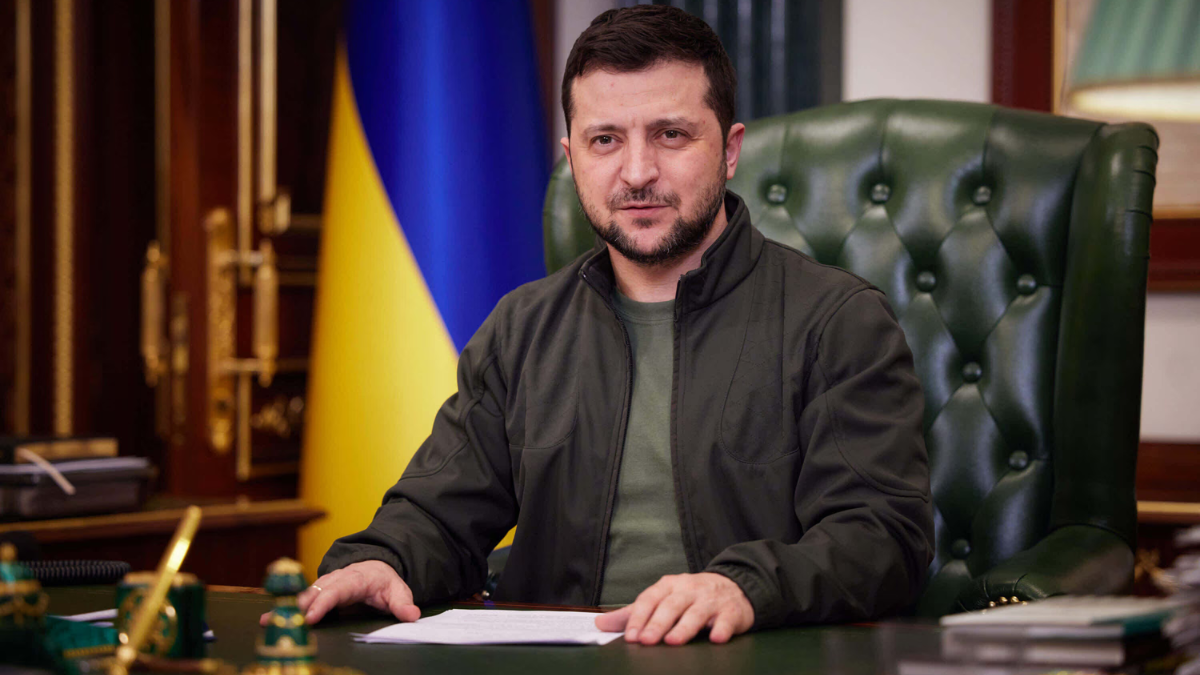
Volodymyr Zelenskyy’s offer to help unblock the Strait of Hormuz is a significant diplomatic signal, not a symbolic aside. By saying Ukraine is ready to share its maritime expertise, the Ukrainian president is positioning Kyiv as a practical contributor to one of the world’s most dangerous shipping crises, while also showing how lessons from the Black Sea war are being repurposed for a far wider geopolitical struggle.
Ukraine’s offer and what it means
Zelenskyy’s comments indicate that Ukraine is prepared to share the operational experience it has built up in the Black Sea, including drone-based maritime tactics, surveillance methods and other tools used to counter blockade pressure. The key point is that this is not just abstract advice. Ukraine is offering battlefield-tested know-how developed under fire, at a time when Gulf states and their partners are seeking ways to restore shipping through Hormuz. That matters because the Black Sea and the Strait of Hormuz share an important strategic similarity. Both are maritime chokepoints where a state can use geography, force or coercion to threaten trade routes, energy flows and civilian shipping. Ukraine’s experience in keeping sea lanes functioning despite Russian pressure has therefore become a kind of exportable security doctrine, one that could be adapted to a different theatre with different political actors. The offer also strengthens Ukraine’s diplomatic profile. Instead of being seen only as a country dependent on military aid, Kyiv is presenting itself as a state with expertise that others can use. That is a clever move in international relations terms, because it allows Ukraine to deepen ties with Gulf partners while demonstrating that its wartime innovations have global relevance.
The legal and military implications
The legal significance is substantial because the Strait of Hormuz is one of the world’s most important maritime corridors, and any blockade immediately raises questions about freedom of navigation, state responsibility and the rights of neutral shipping. If Ukraine’s assistance helps governments or coalitions reopen the route, then that assistance sits at the intersection of military cooperation, international maritime law and crisis diplomacy. There is an important distinction, however, between sharing expertise and direct intervention. Zelenskyy is not announcing Ukrainian deployment to the Gulf. He is offering knowledge, technical support and potentially defence cooperation to states trying to secure maritime traffic. That keeps the proposal within a legally safer zone, but it still raises questions about how far military know-how can be transferred before it becomes a form of indirect participation in another region’s conflict. From a strategic standpoint, Ukraine’s drone and maritime experience is especially attractive because modern naval warfare has changed quickly. Cheap unmanned systems, fast-moving tactics and sensor-driven surveillance have become central to defending shipping and disrupting hostile movements. If those lessons can be adapted to Hormuz, they may help states counter blockade tactics without immediately escalating to full-scale naval confrontation.
A wider geopolitical shift
Zelenskyy’s offer also shows how the war in Ukraine is shaping other global crises. The same technologies and tactics developed to protect Black Sea shipping are now being discussed in the context of the Gulf, which suggests that maritime security is becoming increasingly transferable across theatres. That has major implications for how states think about drones, coercion and the protection of trade routes. It also creates a delicate political balance for Kyiv. On one hand, helping to secure Hormuz could strengthen Ukraine’s reputation as a responsible security partner and deepen ties with energy-rich Gulf states. On the other hand, it risks drawing Ukraine further into the strategic rivalries of the Middle East, where any maritime assistance could be interpreted as part of a broader anti-Iran alignment. Ultimately, Zelenskyy’s Hormuz offer is best understood as a high-value diplomatic move. It reflects a Ukraine that is no longer just reacting to war, but trying to shape security conversations far beyond Europe. If the Strait of Hormuz is reopened with help from this kind of expertise, the story will not only be about shipping. It will be about how wartime innovation in one region can become a tool of international security in another.