

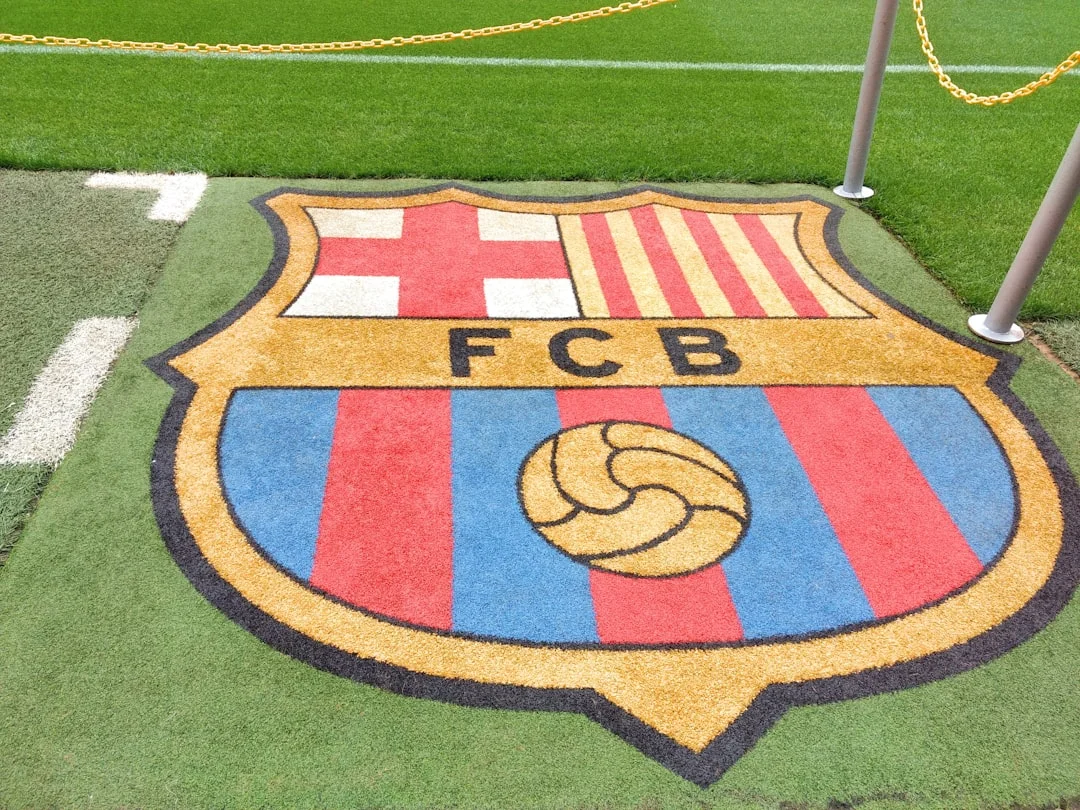
FC Barcelona has officially withdrawn from the European Super League project on February 7, 2026, leaving Real Madrid as the sole remaining founding member still committed to the controversial initiative. This move marks the effective end of the original Super League vision that shook European football in 2021.
In a brief official statement, Barcelona announced: “FC Barcelona hereby announces that today it has formally notified the European Super League Company and the clubs involved of its withdrawal from the European Super League project.”
The club’s decision comes after years of legal battles, fan opposition, and shifting priorities. Here’s a breakdown of the potential reasons behind Barcelona’s exit.
1. Rebuilding Ties with UEFA and the European Football Family
Barcelona president Joan Laporta has repeatedly emphasized the need for “peace” in European football. As early as October 2025, he confirmed the club’s intention to re-establish strong links with UEFA and rejoin the European Football Clubs (EFC) framework (formerly the European Clubs Association).
Laporta highlighted positive meetings with UEFA leadership and stressed that Barcelona favors cooperation over confrontation. The club’s leadership believes there is now room for clubs to work within UEFA’s structure, especially after recent reforms to the Champions League format that have improved competitiveness and revenue distribution.
This shift signals a strategic return to mainstream European competitions rather than pursuing a separate breakaway league.
2. Collapse of Support and Isolation of the Project
The European Super League launched in April 2021 with 12 founding clubs but collapsed within days due to massive fan protests, government intervention, and threats from UEFA and FIFA. Nine clubs (including all six Premier League teams) withdrew almost immediately, followed by Juventus in 2023.
With only Barcelona and Real Madrid remaining by late 2025, the project lost critical momentum. Barcelona saw little realistic path forward without broader club backing, making continued involvement increasingly untenable.
3. Strained Relations with Real Madrid
Recent months have seen a noticeable cooling in the relationship between Barcelona and Real Madrid, the two last holdouts. Tensions—partly linked to off-field issues like the Negreira case and differing visions for football’s future—contributed to Barcelona distancing itself from the joint Super League effort led by Real Madrid president Florentino Pérez.