

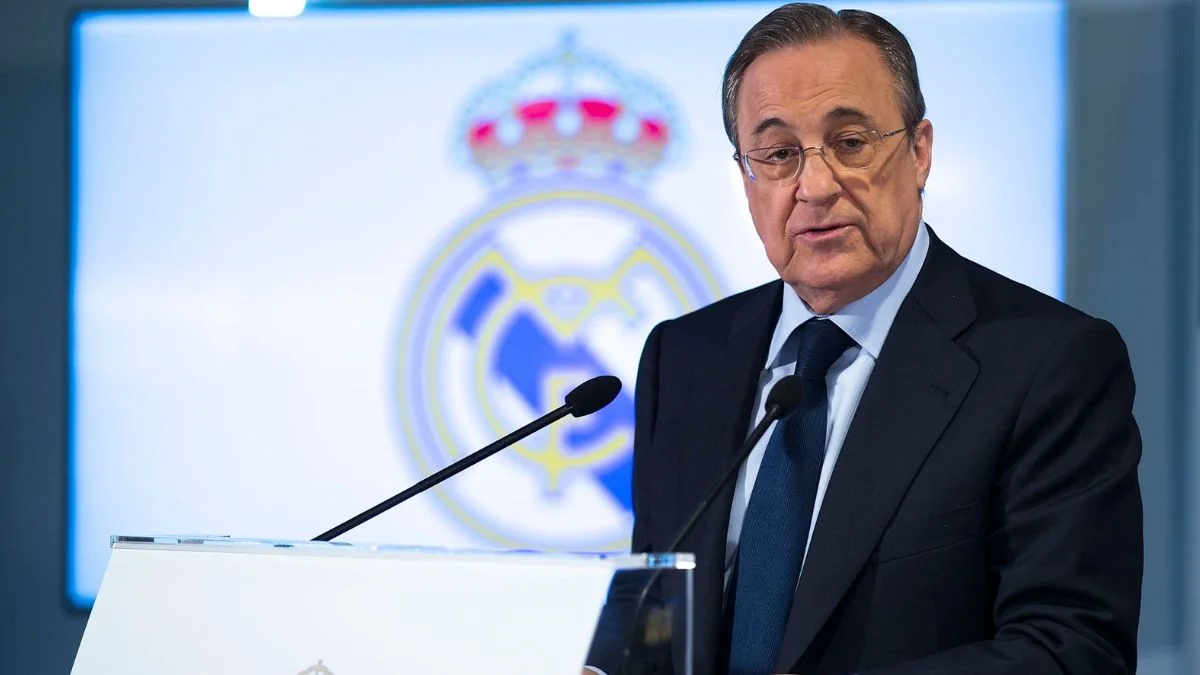
Real Madrid remains the last standing founding member of the European Super League project following Barcelona‘s official withdrawal on February 7, 2026. While nine of the original 12 clubs abandoned the idea within days of its 2021 launch, Juventus followed in 2023, and now Barcelona has exited, Real Madrid—led by president Florentino Pérez—continues to champion the vision through A22 Sports Management.
Despite widespread fan protests, regulatory opposition from UEFA and FIFA, and the isolation of the project, Madrid’s commitment has not wavered. Here are the potential reasons behind their steadfast support.
Belief in Structural Reform for European Football
Florentino Pérez has long argued that the current European football model, particularly the UEFA Champions League, is outdated and fails to deliver consistent high-quality matches or sufficient financial stability for top clubs. He has described the Super League as essential to guarantee that “the best always play the best” from the start of the season.
Madrid views the project as a way to modernize the sport, attract younger audiences, improve competition quality, and address perceived monopolistic control by UEFA. Pérez has repeatedly stated that the initiative is about “saving football” rather than pure greed, emphasizing merit-based formats and long-term sustainability.
Financial Guarantees and Massive Revenue Potential
A core motivation is the promise of significantly higher revenues through guaranteed marquee fixtures, better broadcast deals, and commercial opportunities. Madrid has claimed UEFA’s opposition cost them billions in potential earnings—leading to a reported €4.5 billion damages claim against UEFA in late 2025, based on lost matchday, broadcast, and sponsorship income.
The club sees a club-controlled competition as the path to financial fair play, transparent governance, and greater economic growth for the entire football pyramid, including solidarity payments to smaller clubs.
Legal Victories and Confidence in Future Approval
Court rulings in Spain and Europe have bolstered Madrid’s position. Decisions found UEFA and FIFA breached EU competition law by blocking the project, giving A22 and Real Madrid grounds to pursue damages and demand recognition for revamped proposals (now often called the Unify League).
These legal wins have reinforced the belief that a breakaway or reformed competition could eventually gain legitimacy, even without broad initial support. Madrid continues pushing for pre-authorization and future organization rights.
Evolving Proposals to Address Criticisms
The project has shifted dramatically since 2021—from a closed league to open formats with promotion/relegation, multi-tier structures (e.g., 96 clubs across divisions), and free-to-air broadcasting elements. These changes aim to make the concept more inclusive, fan-friendly, and compatible with domestic leagues, showing adaptability despite setbacks.
What’s Next Now?
With Barcelona’s exit, Real Madrid now stands alone among founding members, supported only by A22. The club pursues legal action for damages and the right to organize a future competition, while UEFA maintains its reformed Champions League model.
Madrid’s persistence highlights deep tensions in European football: club autonomy vs. governing authority, financial ambition vs. sporting tradition, and elite interests vs. fan sentiment. Whether this leads to a breakthrough or remains a long-term ideological battle remains uncertain—but Real Madrid shows no signs of backing down.