
The Board of Control for Cricket in India (BCCI) has often landed some of the biggest sponsorship deals in world cricket, but over the years several high-profile partners have ended their association with the Indian team. With Dream11 now exiting following the Promotion and Regulation of Online Gaming Bill 2025, here’s a look back at sponsors who walked away and why:
Byju’s
The ed-tech giant was the lead sponsor of the Indian cricket team before Dream11. Byju’s signed a record deal but financial stress and mounting losses forced the company to pull out in 2023. The sponsorship was worth around Rs 220 crore per year, but delays in payments and cost-cutting measures made the partnership unsustainable.
Oppo
Chinese smartphone maker Oppo became the lead sponsor in 2017 but transferred its rights to Byju’s in 2019. The company reportedly found the per-match cost too high, even though it was keen on retaining brand visibility in India.
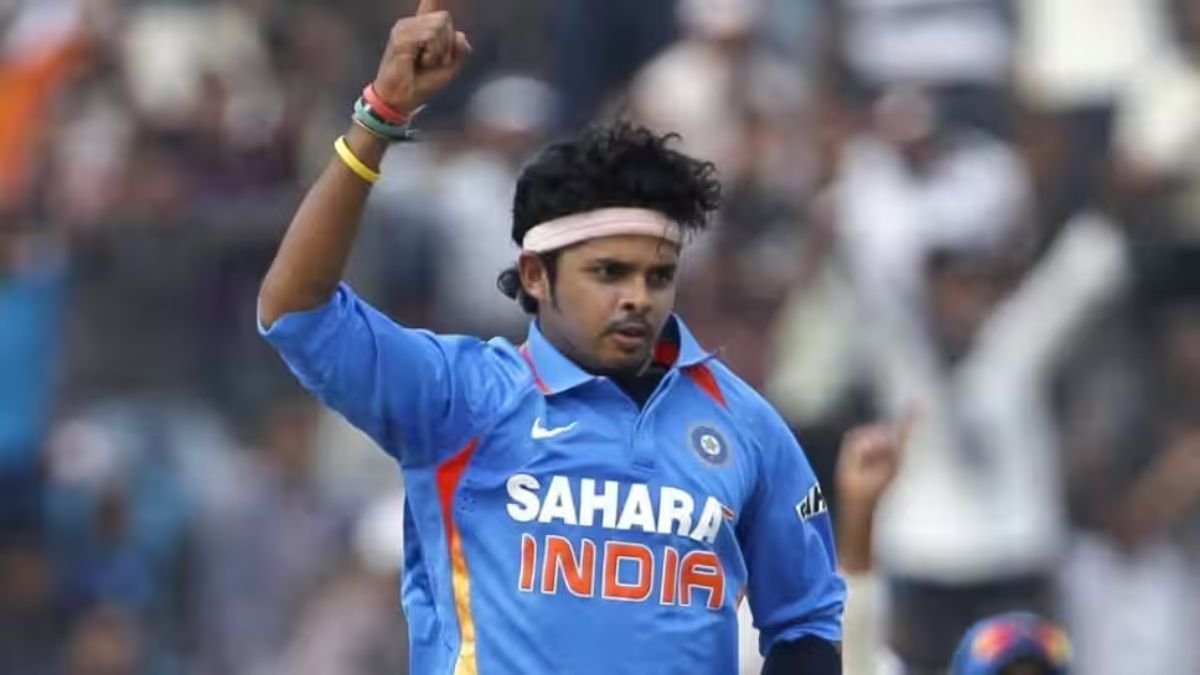
Sahara India
One of the longest-serving sponsors, Sahara backed Indian cricket for more than a decade. However, by 2013, financial troubles and regulatory heat on the group led to the end of its long-standing association with BCCI.
Nike
Nike had been India’s official kit sponsor since 2006, but in 2020 it ended its 14-year run. The company cited declining revenues and restructuring of its India operations as reasons for not renewing the contract.
Paytm
Paytm was India’s home series title sponsor from 2015 to 2023. The fintech firm stepped aside in 2023 amid regulatory pressure and a pivot in business priorities. Mastercard later stepped in to take over home series rights.
Dream11
Dream11, India’s fantasy sports platform, replaced Byju’s as lead sponsor in 2023. However, after the Online Gaming Bill 2025 banned advertisements for real-money gaming, BCCI had no option but to terminate the deal. The contract was worth Rs 358 crore for the 2023–2025 cycle.
The bigger picture
While BCCI remains one of the most lucrative cricket boards globally, sponsors have often quit due to regulatory hurdles, high costs, or company-specific financial pressures. With the board now targeting a Rs 450 crore sponsorship deal for 2025–2028, the challenge will be to find a long-term partner unaffected by shifting regulations or market volatility.
