
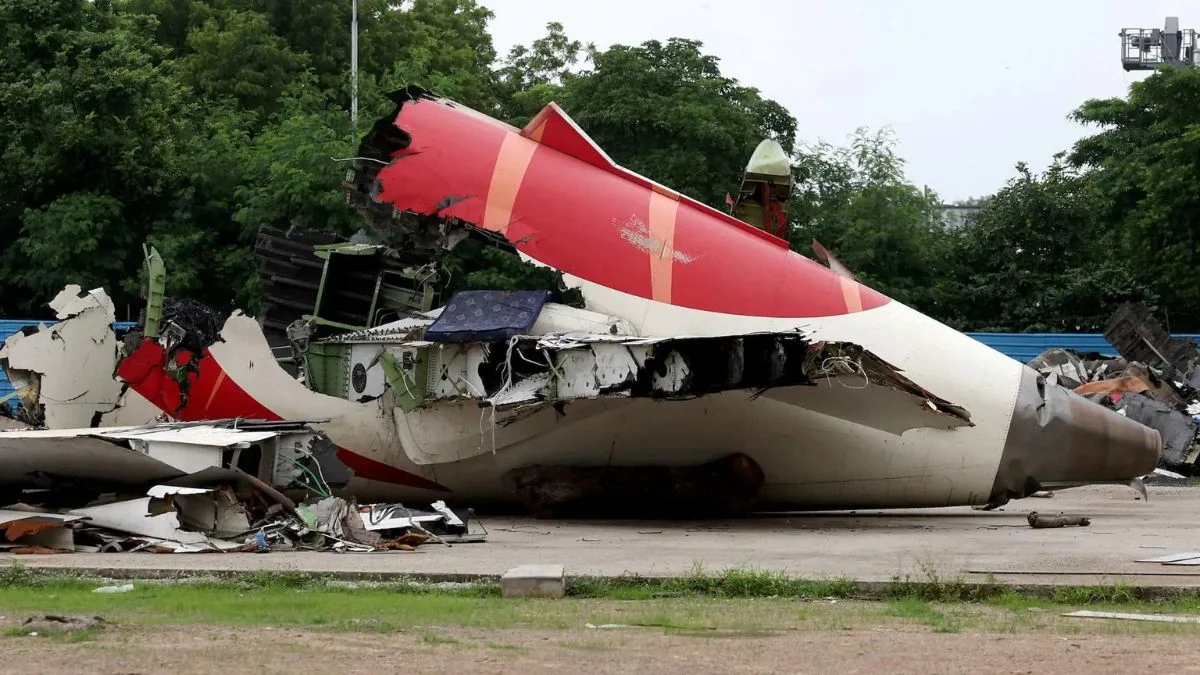
India’s investigation into last year’s crash of an Air India Boeing 787 is increasingly centering on deliberate pilot action as the most probable cause, according to people familiar with the findings, reported by Bloomberg. The shift marks a notable change from earlier official resistance to that scenario.
Investigators have ruled out mechanical failure and say they have not found evidence of sabotage, the sources said, leaving pilot action as the strongest remaining line of inquiry. Authorities have not yet made these findings public.
What is known so far
The final investigation report into Air India Flight 171, which crashed in June 2025 near Ahmedabad, has not been released. However, preliminary information indicates a sudden loss of thrust shortly after takeoff.
According to the developing findings, as the aircraft reached its maximum recorded airspeed of about 180 knots (330 km/h) roughly three seconds after liftoff, both fuel control switches moved from RUN to CUTOFF, one second apart. The sequence reportedly led to both engines shutting down, causing an immediate and total loss of thrust.
Pushback from pilot groups; other angles remain
Pilot associations have rejected suggestions of human error, arguing that conclusions should wait for the final report. Separately, recent whistleblower claims have flagged potential issues with the Boeing 787, though investigators are said to have not identified mechanical faults linked to the crash so far.
What’s next
Officials stress the probe is ongoing and caution against drawing conclusions before the final report is published. The findings, once released, are expected to address the fuel control switch movements, cockpit actions in the seconds after takeoff, and any system or design considerations raised during the investigation.
This remains a developing story and will be updated as more official information becomes available.
