
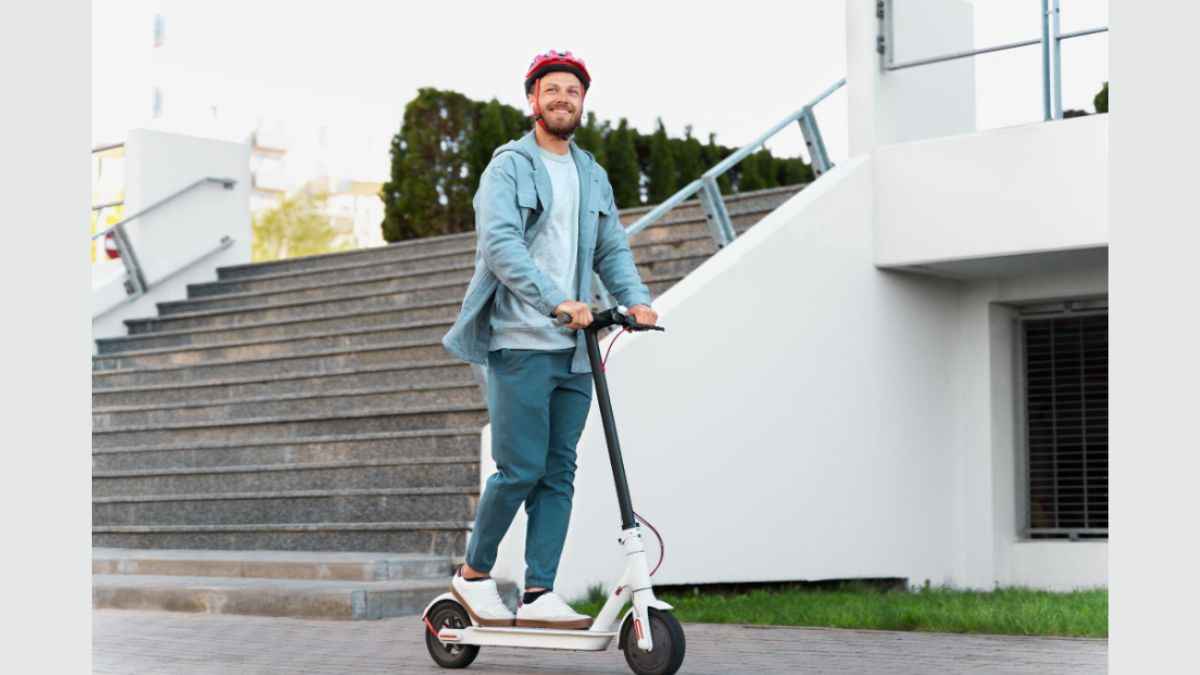
E-scooter injuries surge 45% annually while emergency department visits exceed 50,000 cases in 2022 alone. Urban business owners face mounting liability risks, insurance gaps, and operational disruptions that demand immediate attention.
Electric scooters promised to revolutionize urban transportation, offering convenient, eco-friendly mobility solutions for bustling city centers. However, beneath the sleek marketing campaigns lies a troubling reality that every urban business owner must confront: e-scooter injuries rose by 45 percent each year from 2017 to 2022, creating unprecedented safety and liability challenges in commercial districts nationwide.
The Staggering Scale of E-Scooter Injuries
The numbers paint a sobering picture of rapid escalation. E-scooter injuries rose from 8,566 to 56,847 over that timeframe between 2017 and 2022, representing a nearly seven-fold increase in just five years. An estimated 50,000 emergency department visits associated with e-scooter accidents in 2022, an increase from just over 40,000 the previous year demonstrates the accelerating crisis.
Healthcare facilities report overwhelming impacts. There was a 6-fold increase in e-scooter-related injuries presenting to the ED, from an average of 26.9 injuries per month before the introduction of shared e-scooter services in August 2018 to an average of 152.6 injuries per month after its introduction. This dramatic surge strains emergency departments and reflects broader public safety concerns affecting urban commercial zones.
What Makes E-Scooters Particularly Dangerous
E-scooters present unique safety challenges that differentiate them from traditional transportation modes. A UCLA study estimates that there are 115 injuries per 1 million rides on e-scooters, highlighting substantial injury rates. Several factors contribute to this elevated risk profile:
Speed and Vulnerability: Modern e-scooters reach speeds up to 20 mph while offering riders minimal protection. Only 4 percent of those injured were wearing a helmet at the time of injury, leaving riders exposed to severe trauma during crashes.
Infrastructure Challenges: Urban environments present numerous hazards for small-wheeled vehicles. Poor road conditions, uneven surfaces, and mixed traffic create dangerous scenarios where riders lose control or collide with obstacles.
Demographics and Risk Behaviors: The median age for e-scooter riders was 30 compared to 11 for conventional scooter riders, indicating adult users who may overestimate their abilities or engage in risky behaviors like riding under the influence.
The Business Impact: Hidden Costs and Liability Risks
Urban business owners face multifaceted challenges as e-scooter accidents proliferate in commercial districts. These incidents create ripple effects that extend far beyond the immediate collision site.
Insurance Coverage Gaps
Most traditional insurance policies inadequately address e-scooter incidents. A standard homeowners policy will typically exclude liabilities arising out of the use of a motor vehicle, usually defined as any self-propelled vehicle. Similarly, automobile insurance will not usually provide any liability coverage when operating an electric scooter, since it doesn’t usually apply to vehicles with fewer than four wheels.
This coverage gap creates significant exposure for businesses whose employees use e-scooters for work-related activities or when accidents occur near their premises. Illinois originally only if you’re aged under 18. However, in 2021, Illinois updgraded their law, which now requires ALL electric scooter riders to have liability insurance. The minimum coverage is $25,000 for bodily injury and $50,000 for property damage.
Workplace Liability Concerns
Employers increasingly face liability exposure when employees use e-scooters during work hours. The ubiquity of e-scooters may lead to more employees using them to run errands during work hours, which could in turn result in an uptick in employer liability. Companies must now consider whether their workers’ compensation and general liability policies adequately cover e-scooter-related incidents.
Property and Pedestrian Safety
Business districts experience heightened accident risks as riders navigate crowded sidewalks and commercial areas. Collisions with Pedestrians Riders sometimes crash into people walking, especially on sidewalks or in busy areas. When these incidents occur near businesses, property owners may face premises liability claims or experience operational disruptions.
Economic Disruption in Commercial Districts
E-scooter accidents create direct and indirect economic impacts that affect business operations and district vitality.
Emergency Response Strain
The average injury rate during weekdays was 3.27 per day, with the majority of injuries occurring in the afternoon during peak business hours. Frequent emergency responses disrupt commercial activities, create traffic congestion, and generate negative associations with affected areas.
Infrastructure Costs
Cities increasingly require businesses and property owners to accommodate e-scooter infrastructure while managing associated risks. Cities like Cologne, Nuremberg, Mainz, Mannheim, and Sankt Augustin are now relying on a special use permit for the supply of commercial e-scooter rental systems, which opens up numerous regulatory options.
Reputation and Customer Safety Concerns
Business districts experiencing frequent e-scooter accidents may develop negative reputations that deter customers and reduce foot traffic. The resulting negative publicity can harm a business’s reputation, making attracting or retaining customers difficult.
Legal Liability: Understanding the Complex Web of Responsibility
E-scooter accidents generate complex liability scenarios that businesses must navigate carefully. Multiple parties may bear responsibility for incidents, creating uncertainty about legal exposure.
Rental Company Limitations
Many e-scooter companies attempt to limit their liability through user agreements. Riders must agree to a user agreement which includes draconian clauses designed to insulate the scooter companies from liability. However, these protections may not extend to third parties injured in accidents or cover situations involving mechanical failures.
Municipal Liability
If poorly maintained roadways or inadequate signages primarily caused the accident, the injured victim can hold their local government liable for their damages. This creates pressure on cities to improve infrastructure while potentially exposing businesses to claims related to sidewalk or roadway conditions near their properties.
Product Liability Issues
If the e-scooter malfunctioned because it was defective, then the scooter manufacturer may be held liable. Manufacturing defects, design flaws, or inadequate warnings can result in strict liability claims against manufacturers while potentially implicating businesses that host or facilitate e-scooter operations.
Financial Implications: The True Cost of the Crisis
The financial impact of escalating e-scooter injuries extends beyond immediate medical costs to encompass broader economic consequences.
Healthcare System Burden
Emergency room visits for e-scooter injuries potentially costing $2,000 to $20,000 strain healthcare resources while driving up costs across the system. These expenses ultimately affect everyone through higher insurance premiums and healthcare costs.
Business Insurance Costs
As claims frequency increases, insurance carriers reassess risk profiles for urban businesses. Basic liability coverage starts at just $75 per year through Progressive for individual riders, but businesses may face substantially higher premiums or coverage exclusions as insurers respond to mounting claims.
Economic Development Impact
Increased foot traffic is one of the most important effects e-scooters have on local businesses when properly managed. However, safety concerns and liability risks may offset these benefits, particularly in districts experiencing frequent accidents.
Protecting Your Business: Practical Risk Management Strategies
Urban business owners can implement several strategies to minimize e-scooter-related risks while protecting their operations and customers.
Insurance Review and Enhancement
Conduct comprehensive insurance reviews to identify coverage gaps related to micromobility incidents. I think all companies providing these devices for rent should be required by law to provide $1 million in liability coverage to protect anyone injured by a negligent scooter rider. Consider umbrella policies that may provide broader coverage for emerging risks.
Employee Policy Development
Establish clear policies regarding employee e-scooter use during work hours. Consider providing/mandating safety equipment if the business allows employees to ride e-scooters while on the job. Document training and safety requirements to demonstrate due diligence in liability situations.
Premises Safety Measures
Evaluate pedestrian safety around business premises, particularly in areas where e-scooter traffic concentrates. Implement appropriate signage, barriers, or designated pathways to separate pedestrian and scooter traffic where feasible.
Legal Preparedness
If you’re involved in an e-scooter incident affecting your business, seeking experienced legal counsel becomes crucial. A qualified scooter accident lawyer can help navigate the complex liability landscape while protecting your business interests and ensuring proper handling of any claims or injuries.
Looking Forward: The Need for Comprehensive Solutions
The 45% annual growth in e-scooter injuries demands coordinated responses from businesses, municipalities, and the micromobility industry. Now is the time to guide the roll-out and use of scooters in a controlled manner through comprehensive safety measures, regulatory frameworks, and liability protections.
Urban business owners cannot afford to ignore this escalating crisis. Proactive risk management, comprehensive insurance coverage, and clear operational policies provide essential protection against mounting liability exposure. As e-scooter usage continues expanding in commercial districts, businesses that prepare for these challenges will better position themselves to thrive while protecting their employees, customers, and bottom line.
Key Takeaway: With e-scooter injuries rising 45% annually and emergency visits exceeding 50,000 cases in 2022, urban business owners must immediately assess their liability exposure, review insurance coverage, and implement comprehensive safety protocols to protect against escalating risks in commercial districts.
