
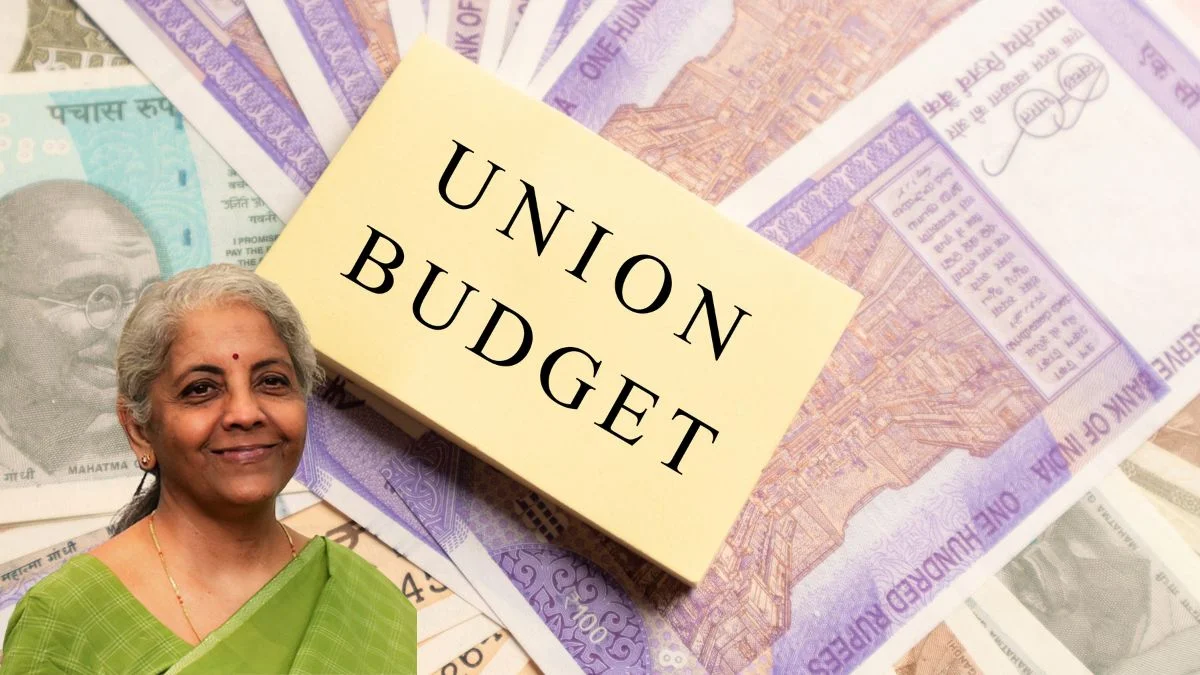
The Union Budget 2026–27 is being presented on Sunday, February 1, marking the first time in India’s history that the annual Budget exercise is taking place on a Sunday. The unusual timing has also led to a special trading session in financial markets, keeping investors and households closely tuned to policy signals.
The Budget is expected to outline measures aimed at sustaining growth momentum, maintaining fiscal discipline, and introducing reforms that could help buffer the Indian economy from global trade frictions, including the impact of U.S. tariffs.
Ahead of the Budget, the Economic Survey 2025–26, authored by Chief Economic Advisor V. Anantha Nageswaran, was tabled in Parliament on January 29, 2026 by Nirmala Sitharaman. For the current financial year 2025–26, the Survey pegged economic growth at 7.4%, while its nowcast placed Q3 growth at 7%. For 2026–27, the Survey projected a growth range of 6.8% to 7.2%, while also calling for greater fiscal flexibility at the Centre and cautioning States against worsening finances.
Income tax changes remain among the most closely watched announcements this year. Taxpayers, salaried professionals, businesses and investors are tracking potential revisions in income tax slabs, rebates, deductions and compliance processes, particularly under the new tax regime.
Expectations are high that the government may consider middle-class relief, including a higher standard deduction or expanded benefits, even as it balances tax relief with public spending priorities such as infrastructure, manufacturing and social welfare.
Experts, however, have tempered expectations of major slab overhauls. CA Akshay Jain, Direct Tax Partner at NPV & Associates LLP, noted that large slab changes may be limited after substantial relief was provided in the previous Budget. Still, taxpayers under the old regime are seeking a higher home loan interest deduction from Rs 2 lakh to Rs 3 lakh and an increase in NPS deduction from Rs 50,000 to Rs 1 lakh, alongside smoother and faster compliance mechanisms.
