
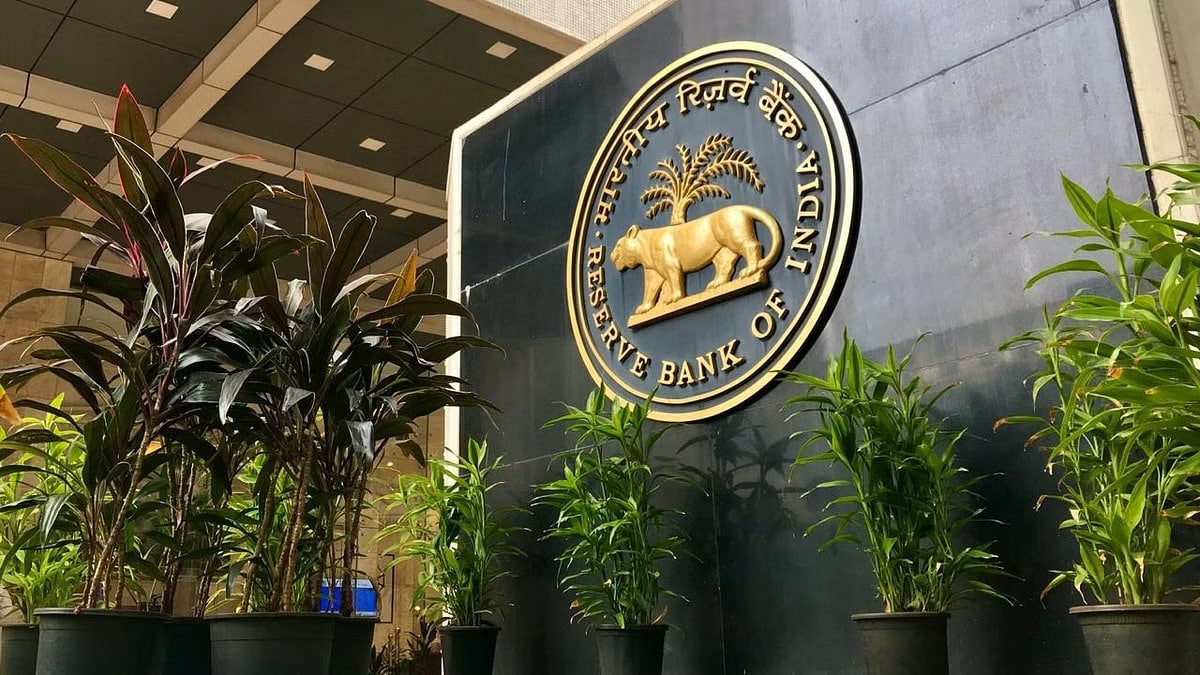
The Reserve Bank of India on Friday, February 6, 2026, decided to keep the benchmark repo rate unchanged at 5.25%, signalling a pause in its easing cycle as it evaluates the impact of earlier rate cuts and evolving domestic and global economic conditions.
Announcing the decision, Sanjay Malhotra, Governor of the Reserve Bank of India, said the Monetary Policy Committee (MPC) has opted to maintain the status quo in its sixth and final monetary policy review of FY26. The move was widely anticipated by market participants, given recent macroeconomic developments and the cumulative easing already undertaken.
The policy review comes after the RBI cut the repo rate by a cumulative 125 basis points since February 2025, marking one of the most sustained easing cycles in recent years. The rate reductions were aimed at supporting economic growth amid global uncertainty and moderating inflation pressures.
The latest policy decision also follows two key developments that have shaped the macroeconomic outlook. The Union Budget 2026–27 reaffirmed the government’s focus on public capital expenditure and fiscal consolidation, while the recently announced India–US trade agreement has improved sentiment around exports, investment flows, and medium-term growth prospects.
With inflation broadly within the central bank’s comfort zone and growth showing resilience, the RBI appears to have chosen a wait-and-watch approach, allowing past policy actions to transmit through the economy. The central bank is expected to closely monitor global financial conditions, commodity price trends, and domestic demand dynamics before making further policy adjustments.
The decision marks the first monetary policy review of the 2026 calendar year, setting the tone for RBI’s policy stance in the months ahead as it balances growth support with price stability.
Disclaimer: The information provided is for informational purposes only and should not be considered financial or investment advice. Stock market investments are subject to market risks. Always conduct your own research or consult a financial advisor before making investment decisions. Author or Business Upturn is not liable for any losses arising from the use of this information.
