

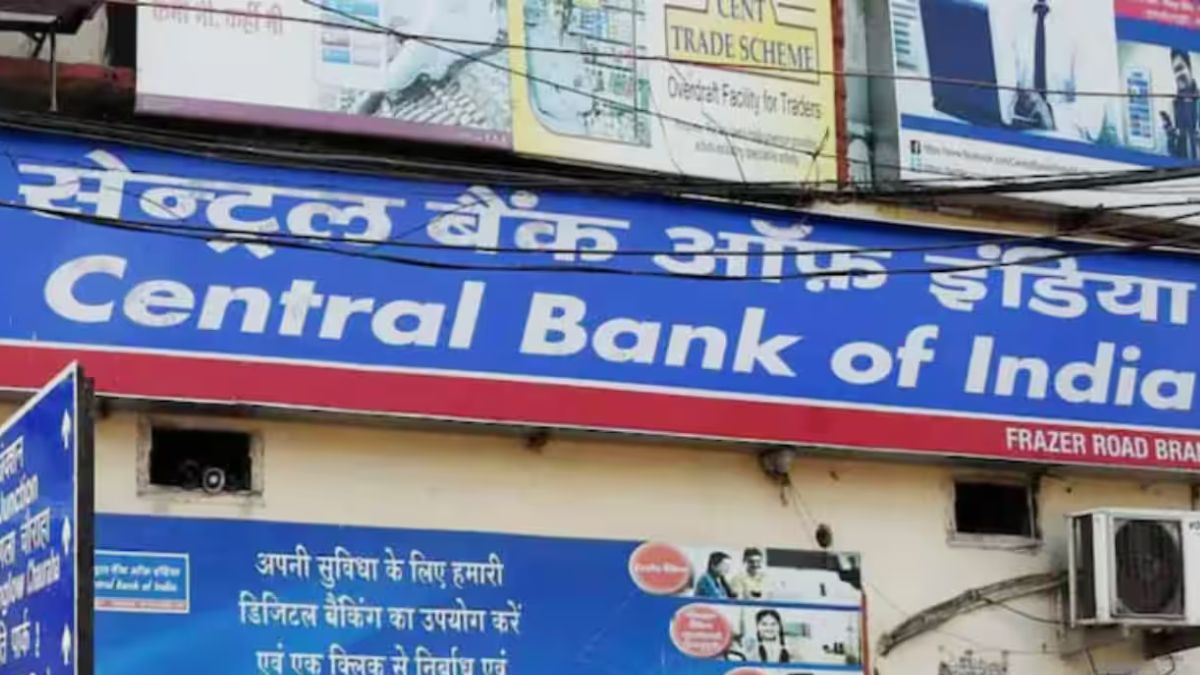
Banking sector stocks rises today, May 25: Canara Bank gains 3.67%, RBL Bank rises 3.56%, Union Bank up 3.16%
The banking sector stocks traded mostly higher on May 25, 2026 during the late morning session. The broader market also...
Latest News
ALL NEWS →
BRAND POST The Art of Jewellery Unveils India’s Top 100 Jewellery Retailers Special Issue
SMES K2 Infragen bags Rs 56.91 crore order from Rajasthan Rajya Vidyut Prasaran Nigam 57 mins ago
STOCK MARKET Gujarat Themis Biosyn shares jump 5% after signing Rs 1,300 crore deal to acquire Japan’s Microbiopharm entity 57 mins ago
STOCK MARKET Metal Sector Stocks Today, May 25: Welspun Corp up 3.12%, NMDC gains 2.21%, Hindalco down 1.08% 1 hrs ago
STOCK MARKET Torrent Pharmaceuticals shares hit 52-week today despite Q4 profit decline; revenue surges 42%
Shares of Torrent Pharmaceuticals climbed over 4% during Monday’s trading session even after the company reported a decline…
2 hrs ago
Morgan Stanley sees TVS Motor rising 31% in a month — here’s the buyback play behind the call May 20, 2026
CORPORATES Park Medi World acquires majority stake in The Medicity Hospital, Rudrapur for Rs 177 crore
Park Medi World Limited , formerly known as Park Medi World Private Limited and operating as Park Group of Hospitals,...
2 hrs ago
Torrent Pharmaceuticals shares hit 52-week today despite Q4 profit decline; revenue surges 42% 2 hrs ago
Apollo Micro Systems shares jump 12% to new 52-week high After strong Q4 results; Stock surges 30% this month 2 hrs ago
Why are HFCL shares up another 8% today and 50% this month? Details 2 hrs ago
Precision Wires India shares jump over 10% today as Q4 profit surges 85%; stock hits fresh 52-week high 2 hrs ago
Cockroach Janta Party beats BJP on Instagram, crosses 10 million followers in just 5 days May 21, 2026
Viral ‘Cockroach Janta Party’ nears BJP’s Instagram dominance as follower count races past 8 million May 21, 2026
How to Prevent FRP Lock from Triggering – Best Practices Before Selling or Gifting Your Android May 20, 2026
Paytm launches ‘Pocket Money’ for teenagers; Here’s how to enable May 18, 2026
eFootball 26 to end services in Russia and Belarus from June 15, Konami confirms May 15, 2026
Nation
MORE →
Petrol crosses ₹100 in Delhi for first time as 4th fuel hike in 12 days adds ₹2.61 per litre 2 hrs ago
‘Anything India wants, they get’: Donald Trump praises PM Modi during live phone call at Delhi event 13 hrs ago
‘Our children are not safe’: Omar Abdullah reacts to shocking murder of young girl in Kashmir’s Budgam 13 hrs ago
Top 5 OTT shows with the craziest cliffhanger endings
Some series end an episode and leave you curious for the next one. Others completely shock viewers and make waiting...
14 hrs ago
Top 5 films where one scene became more famous than the whole movie 15 hrs ago
Top 5 shows that are perfect if you loved Stranger Things 15 hrs ago
Chand Mera Dil Day 3 Box Office Collection: Ananya Panday-Lakshya film looks for stronger weekend push 15 hrs ago
Top 5 series with the most satisfying endings 15 hrs ago
Drishyam 3 Day 4 Box Office Collection: Mohanlal’s thriller continues strong run after crossing ₹100 crore worldwide 15 hrs ago
Top 5 bollywood friendship groups we all wanted to be part of 15 hrs ago
5 movies where the hero and villain had better chemistry than everyone else 15 hrs ago