
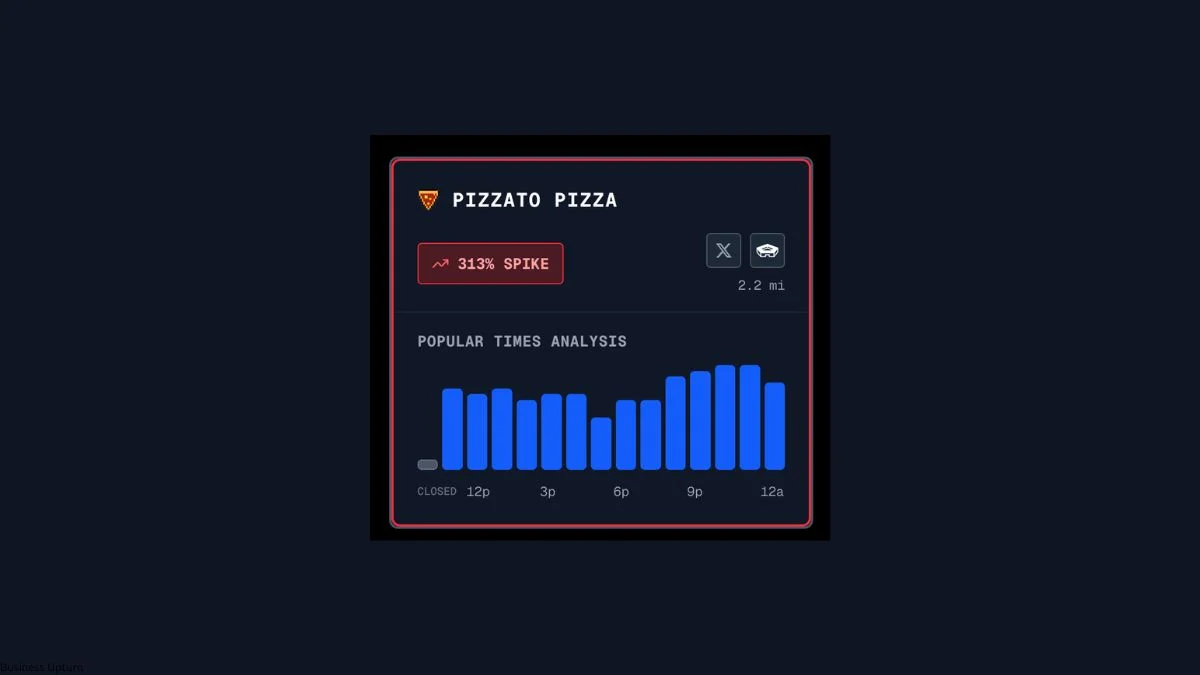
As reports of explosions and possible military activity emerged from Venezuela’s capital Caracas, online observers began pointing to a familiar but unofficial indicator: the Pentagon Pizza Index.
The term resurfaced after late-night pizza outlets near the Pentagon, including Pizzato Pizza, reportedly saw a sudden surge in orders in the early hours of Saturday, coinciding with escalating geopolitical developments involving Venezuela and the United States.
What is the Pentagon Pizza Index?
The Pentagon Pizza Index is an informal, crowd-sourced theory suggesting that spikes in late-night food orders near major US defence and intelligence hubs may indicate heightened military or national security activity.
The idea dates back to the Cold War, when journalists noticed increased pizza deliveries to the Pentagon during moments of crisis, including the Gulf War, Kosovo conflict, and 9/11 aftermath. In recent years, social media accounts have revived the concept using real-time food delivery data and online traffic indicators.
It is important to note that the Pentagon Pizza Index is not an official metric, nor is it recognised by the US Department of Defense.
Why the index is trending again
In the early hours of January 3, online trackers and social media users reported:
- A sharp increase in activity at Pizzato Pizza, one of the few late-night pizzerias near the Pentagon
- Increased chatter around food orders near defence-linked zones
- Heightened global military developments, including reports of explosions in Caracas
This came alongside other significant developments:
- The US FAA issued a NOTAM prohibiting US aircraft from operating in Venezuelan airspace
- Flightradar24 showed no civilian aircraft over Venezuela
- Reports of smoke rising from military installations in Caracas, including La Carlota Air Base and Fort Tiuna
- Claims by regional leaders, including Colombian President Gustavo Petro, alleging an attack on Venezuela, though no official confirmation has been provided
Is pizza data proof of military action?
Experts and officials consistently caution against drawing firm conclusions.
While spikes in food deliveries can suggest extended overnight work, they do not confirm military operations or combat decisions. Such surges may also result from:
- Routine late-night staffing
- Training exercises
- Administrative deadlines
- Coincidental social or online activity
Even during confirmed military actions in the past, the Pentagon Pizza Index has been inconsistent and largely anecdotal.
Why Venezuela is part of the conversation
The renewed interest in the index comes amid:
- Rising US–Venezuela tensions
- Continued sanctions and diplomatic pressure
- Conflicting reports of airstrikes, explosions, and power outages in Caracas
- Absence of official statements from Venezuelan authorities clarifying the cause of the blasts
The lack of verified information has created an environment where alternative indicators, such as aviation alerts and online behavioural data, are being closely watched.
What we know so far
- There is no confirmed evidence linking pizza order surges to US military action
- The Pentagon has made no public statement acknowledging involvement in Venezuela
- Aviation restrictions and military movements remain unexplained publicly
- Reports from Caracas remain unverified and evolving
The Pentagon Pizza Index reflects public curiosity during periods of uncertainty, not confirmed intelligence. While it has historically coincided with moments of crisis, it should be treated as internet folklore rather than factual evidence.
As the situation in Venezuela continues to develop, official statements, satellite data, and diplomatic briefings — not pizza orders — will determine what actually happened.
Pizzato Pizza, a late night pizzeria nearby the Pentagon, has suddenly surged in traffic.
As of 2:04am ET pic.twitter.com/P60jMKfT1d
— Pentagon Pizza Report (@PenPizzaReport) January 3, 2026
