
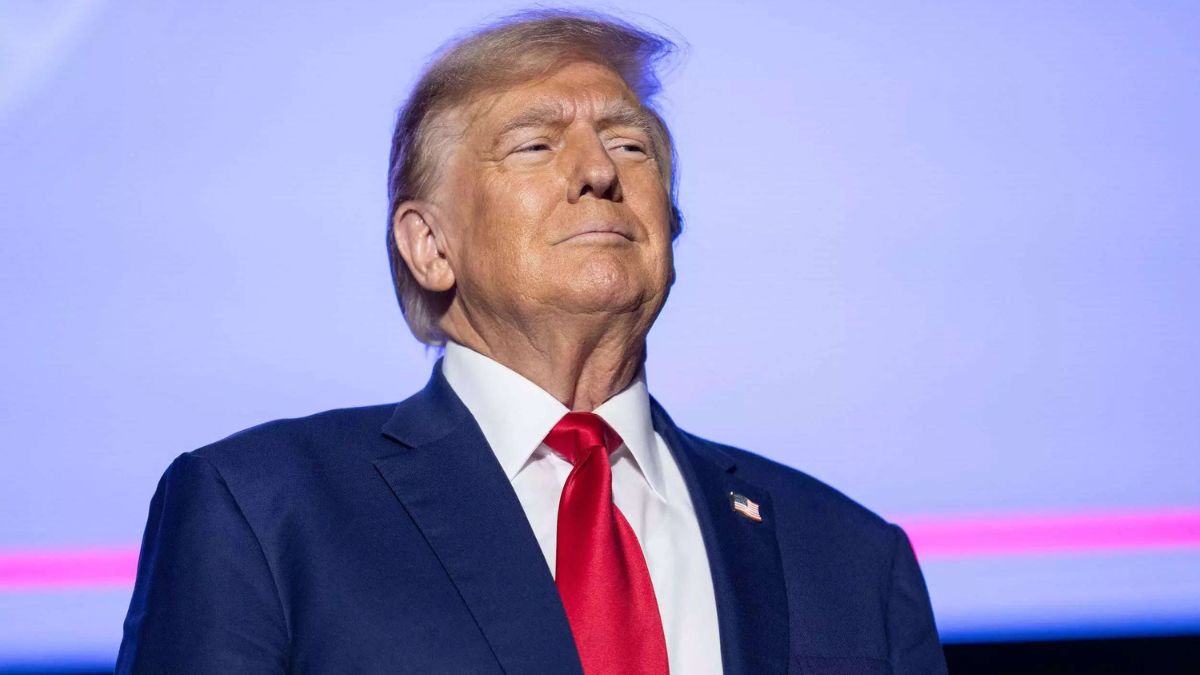
The Trump administration is set to unveil a major policy reversal today, with President Donald Trump scheduled to announce new fuel-economy standards for U.S. vehicles — a move that will roll back the stricter rules introduced under former President Joe Biden.
Trump will make the announcement from the Oval Office at 2:30 PM ET, with top executives from Ford, General Motors, and Stellantis expected to attend.
What is Trump changing?
The administration plans to roll back the Biden-era fuel-efficiency requirements, which mandated that passenger cars and light trucks achieve an average of around 50 miles per gallon by 2031.
The revised standards will be less stringent, giving automakers more room to produce gasoline-powered vehicles without facing heavy compliance penalties.
Why is the rule being changed?
According to administration officials, the rollback is intended to:
-
Lower the purchase price of new vehicles
-
Reduce regulatory burden on automakers
-
Increase consumer choice, especially for those who prefer gasoline vehicles
-
Address what the administration calls “unrealistic assumptions” about the pace of EV adoption in the United States
The oil and energy industry has also urged the government to remove rules they argue were designed to gradually phase out internal combustion engines.
Impact on the EV push
Biden’s original standards were expected to accelerate electric-vehicle adoption in the U.S. By softening those requirements, Trump’s new policy could:
-
Slow down EV sales growth
-
Extend the life cycle of gasoline and diesel vehicles
-
Shift automaker investments back toward traditional engines
What automakers want
Manufacturers have been pressing for more flexible rules, saying the previous targets were too aggressive for the current EV-charging infrastructure, supply-chain challenges, and consumer demand patterns.
Today’s announcement will be a direct response to these concerns.
What happens next?
The proposal will go through a formal rule-making process that includes drafts, public comments, and regulatory sign-offs before it becomes final.
Trump’s announcement marks one of the most significant climate-policy reversals since he took office, setting up a new clash between the federal government, environmental groups, and EV manufacturers.
