
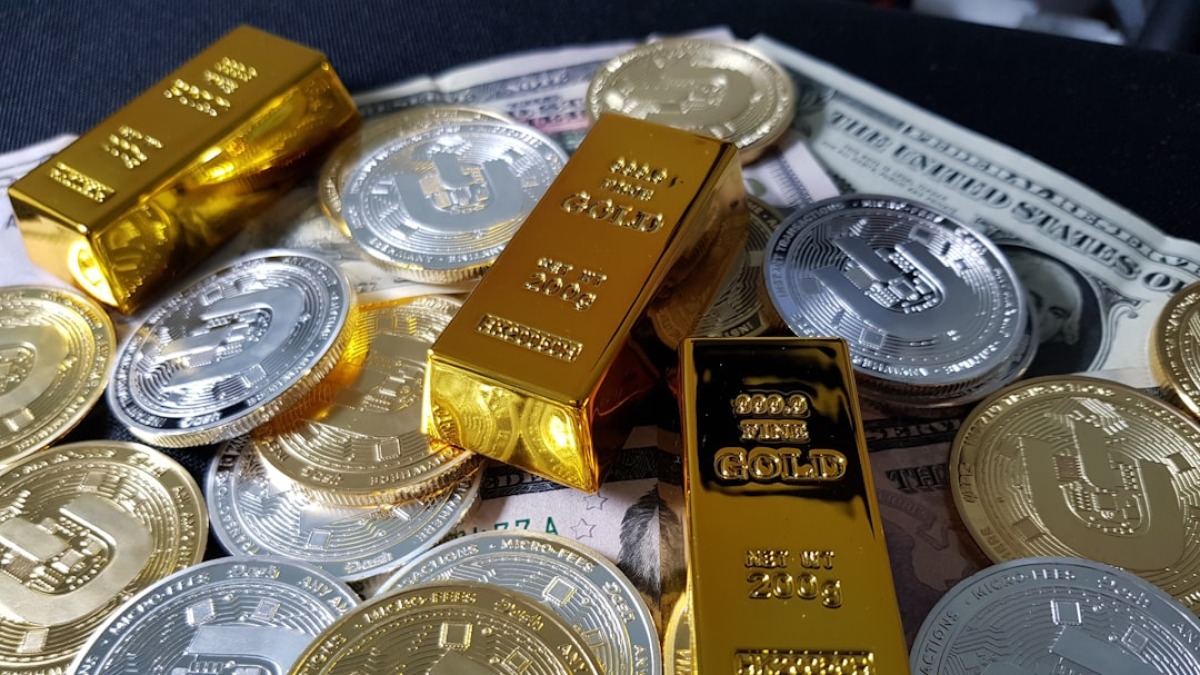
A sharp and sudden sell-off in gold and silver triggered intense volatility across global markets, with prices collapsing within minutes during Thursday’s session. The speed and scale of the move sparked widespread discussion on social media, with claims of trillions of dollars in value being wiped out in a short span. While the price action was undeniably extreme, the mechanics behind the move point to market structure stress rather than a collapse of underlying value.
It is important to note that gold and silver do not have a real-time “market capitalisation” in the way equities do. Unlike stocks, precious metals are global commodities traded across physical, futures, and derivatives markets. Price swings do not equate to instant destruction of real-world wealth but reflect repricing of marginal trades, especially in leveraged markets.
So why did prices move so violently?
The primary driver was rapid deleveraging across futures and derivatives markets. After a near-vertical rally that pushed gold and silver to record highs, positioning became heavily crowded. When prices began to slip, automated selling, margin calls, and forced liquidation cascaded through the system, amplifying the downside in minutes.
Silver, in particular, is known for extreme volatility due to its thinner liquidity and higher leverage. Once key levels broke, stop-loss orders and margin pressures accelerated the fall, especially in markets like MCX where prices had been trading at unusually high premiums to global benchmarks.
Gold, typically seen as a safe-haven asset, also fell sharply — not because its role changed, but because liquidity stress forces investors to sell even defensive assets to meet margin requirements elsewhere. Historically, similar behaviour has been observed during periods of financial stress, including during the 2008 crisis and the 2020 pandemic shock.
The episode highlights structural fragility during periods of extreme positioning, rather than a breakdown of the financial system itself. Sudden repricing events are most common when leverage, volatility, and crowded trades intersect.
Markets are now watching whether prices stabilise as leverage is flushed out, or whether further volatility follows as global risk sentiment remains fragile amid geopolitical and macroeconomic uncertainty.
