

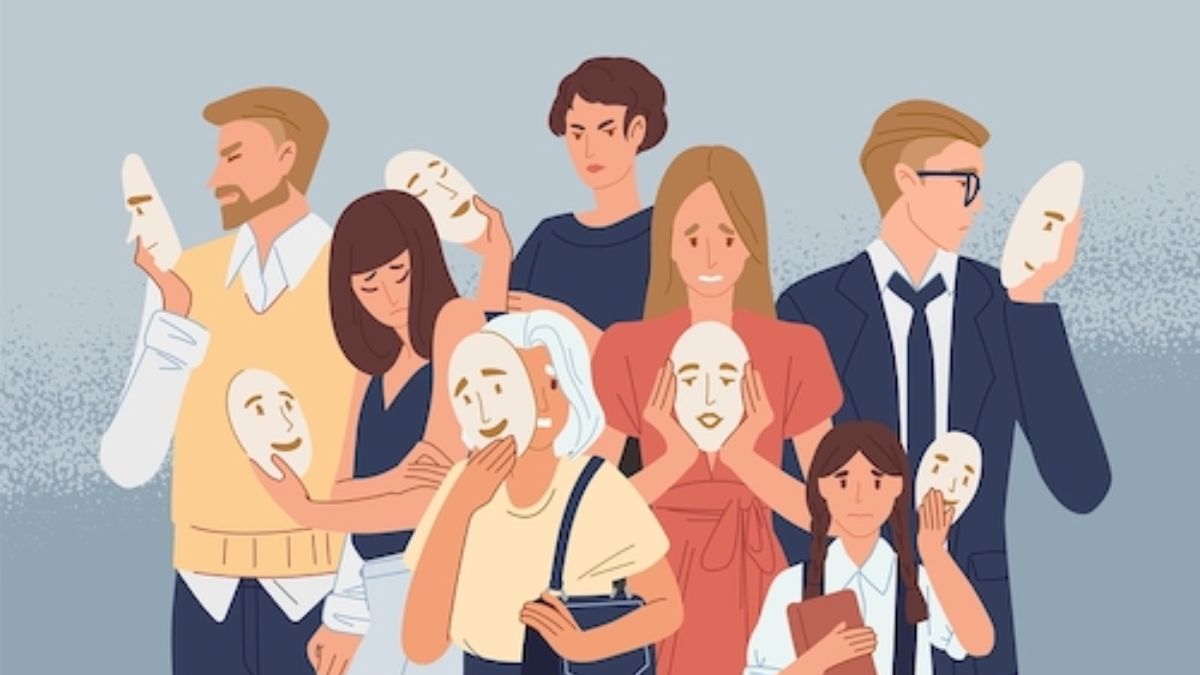
Change feels disorienting because it disrupts the internal map you rely on to understand yourself and your life.
You’re used to operating with a certain sense of identity, routine, and expectation. You know how you usually think, how you respond, and what your life looks like day to day. When change begins, that familiar structure starts to shift. The patterns that once guided you don’t feel as reliable anymore, and that creates a sense of confusion.
One of the main reasons is the loss of reference points. Your past experiences help you predict how things will go and how you should act. But during change, those references stop working the same way. You might react differently than you used to, want different things, or feel unsure about decisions that once felt easy. Without those familiar cues, it can feel like you’ve lost your sense of direction.
There is also an identity shift happening. You are no longer fully aligned with your old self, but your new self isn’t fully defined yet. That in-between phase can feel unstable. You might feel inconsistent or unsure of who you are, simply because you’re still forming a new way of being.
Another layer is uncertainty. Change often pushes you into situations where you don’t have clear answers. Your mind prefers predictability, so when things are unclear, it can create a sense of unease. Even if the change is positive, the lack of certainty can make it feel uncomfortable.
Your routines also play a role. Daily habits give you a sense of stability. When those habits change, even slightly, it can affect how grounded you feel. Something as simple as a shift in schedule or environment can make your day feel unfamiliar, which adds to the disorientation.
There is also a mental adjustment happening. You’re not just changing your actions, you’re changing how you think. That requires your brain to form new patterns, which takes time. In the beginning, this process can feel slow and effortful, making you feel off balance.
Emotions can add to it as well. Change often brings mixed feelings, excitement, fear, doubt, and curiosity all at once. Holding all of that at the same time can feel overwhelming, which contributes to that sense of being mentally scattered or unsettled.
Another reason is that your external life may not immediately reflect your internal changes. You might feel different inside, but your surroundings are still the same. That mismatch can make it feel like you’re not fully anchored anywhere.
At times, you may even question yourself. You might wonder if you’re overthinking or if something is wrong, simply because you don’t feel as stable as you used to. But that feeling is usually part of the adjustment, not a sign of failure.