

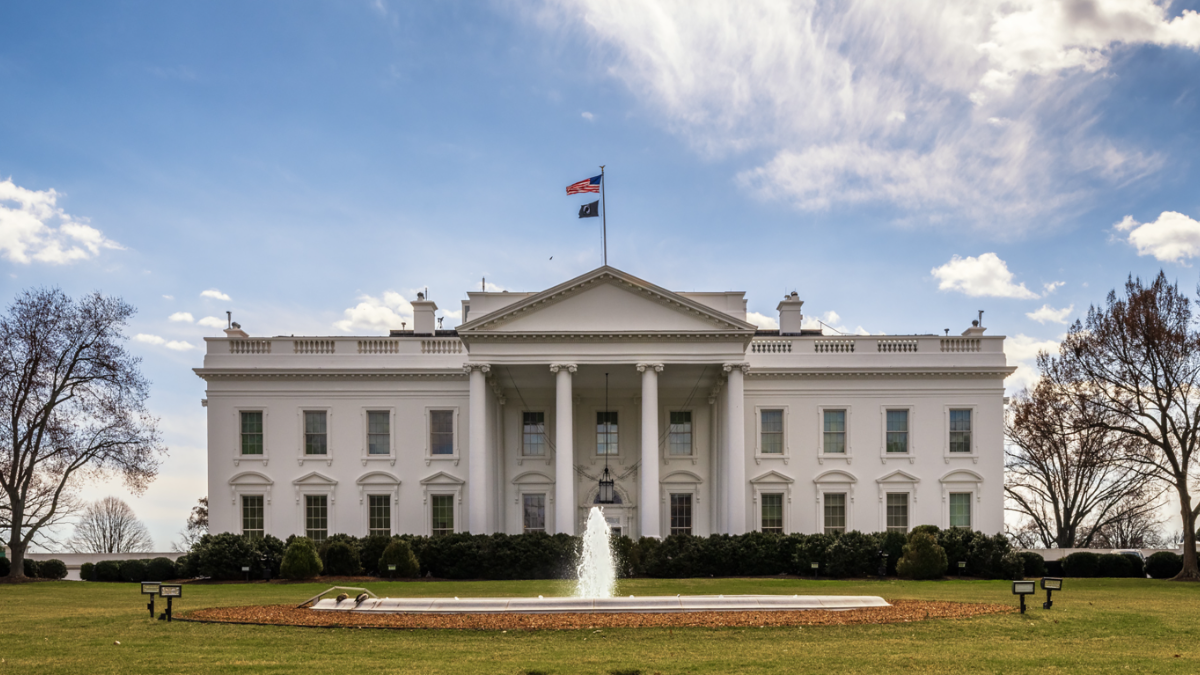
The White House has confirmed that President Trump and his advisers are seriously considering all possible ways to gain control of Greenland. That includes the idea of using the US military. A White House spokesperson said the administration is looking at a wide range of choices, and military action is “always an option” the president could use.
Trump has made it clear he sees Greenland as a key piece of national security for the United States. The Arctic is becoming more important strategically, and the president believes owning Greenland would help deter rival powers in the region, according to the White House.
The idea of involving the military has alarmed many leaders in Europe. Denmark’s prime minister, Mette Frederiksen, joined the leaders of France, Germany, and the United Kingdom in saying the United States must respect Denmark’s sovereignty. They stressed that Greenland already belongs to NATO and is not for sale. Their message was simple: “Greenland belongs to its people.”
International law says using military force to take another country is generally seen as an act of war, so the very suggestion has stirred concern around the world. The situation has revived debate over Arctic security among NATO allies.
The Greenland matter is not the only bold foreign policy move from the Trump team this week. The administration also announced a major deal with Venezuela. Trump claimed Venezuela will transfer about $2 billion worth of oil to the United States. This deal is being described as a big shift, because it could help Venezuela avoid deeper cuts in oil production while redirecting supplies that might otherwise go to China.
Trump even went on his own social media to announce he would personally oversee the funds from the oil sale. He said the money will be used to benefit both Venezuelans and Americans. Venezuelan officials have not publicly commented yet. But analysts say this could mean Venezuela is beginning to open its oil sector to US companies, which might reduce the chance of a US military intervention there.
At the same time, changes in long-standing US policy have appeared in other parts of the world. In Israel, construction is moving forward on a large and controversial settlement project in the West Bank known as E1. The Israel Land Authority put out plans in December for over 3,400 new homes in an area critics say would cut the West Bank in two and hurt the possibility of a future Palestinian state. For years, the US government and European nations blocked development in that area, but now construction is proceeding.
Back home in the United States, the fifth anniversary of the January 6 attack on the Capitol passed with little reaction from most Congressional Republicans. Democrats used the day to criticise the administration, but Republican leaders mostly stayed silent. The Republican majority in the House of Representatives also just got smaller after the death of California Republican Doug LaMalfa. That shrank their edge to 218-213.
In short, the White House is openly talking about the idea of using the military to take Greenland, even as it pursues major deals abroad and faces political changes at home. The news has drawn sharp criticism from allies and raised serious questions about America’s role in the world.