

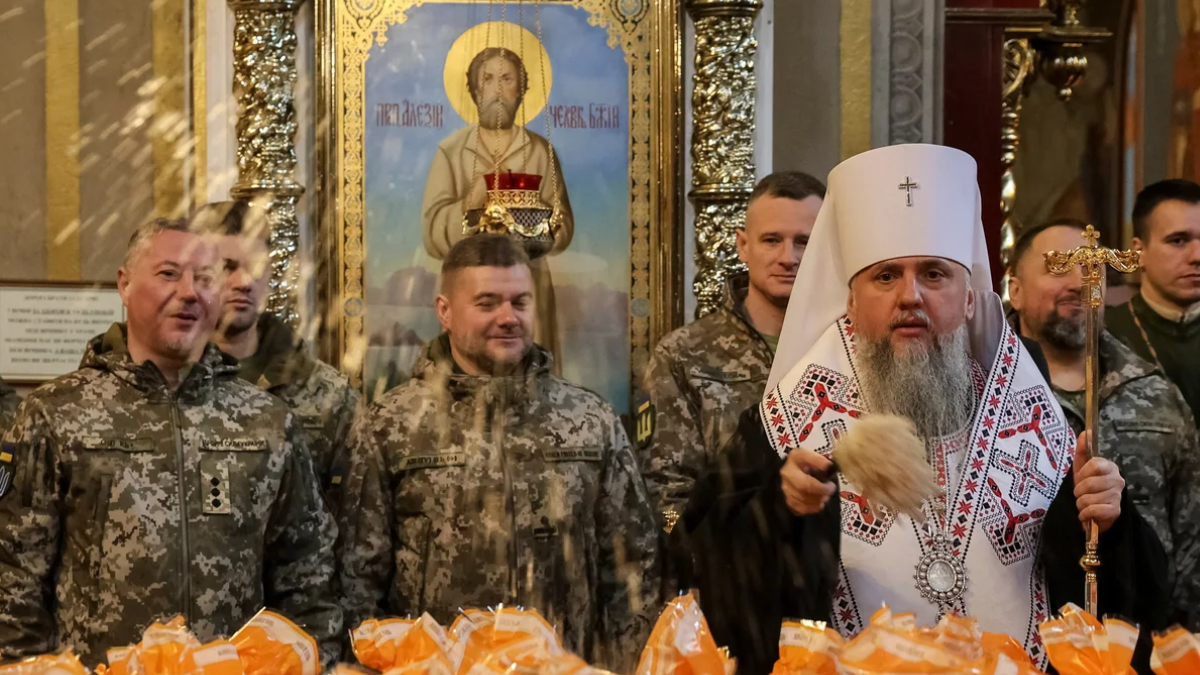
The ceasefire declared by Russian President Vladimir Putin on Thursday, following a ceasefire proposal made by Ukrainian President Volodymyr Zelenskyy, went into effect at 4 p.m. local time (1 p.m. GMT) on Saturday for 32 hours, giving both parties a reprieve from conflict during the Orthodox Easter holiday celebrations. The ceasefire will be respected by both sides; however, both sides have expressed skepticism.
As of Friday afternoon, the Ukrainian Armed Forces are prepared to respond to any violations as soon as they occur, with President Zelenskyy releasing a statement via social media that Ukraine will respond according to the terms of the ceasefire and not retaliate until after Russia has acted. This apparent commitment does not create confidence among either side due to prior ceasefires declared by both parties in 2023 and 2024 that ended without both sides fulfilling their obligations, with each party citing multiple violations of a ceasefire agreement.
As evidence of this distrust on both sides before the declared ceasefire, Russia conducted approximately 160 drone attacks against Ukraine in the Odesa region, resulting in at least four civilian deaths, and Ukraine conducted drone attacks against Russian military installations occupied and controlled by Russian troops, resulting in civilian deaths in the Donetsk and Kherson regions of Ukraine.
A prisoner swap took place on a Saturday; 175 prisoners from both sides were returned to their respective countries (Ukraine and Russia). The UAE played a key role in brokering this deal, which was a bilateral swap between the warring neighbors that has lasted for 4 years and occurred during the ongoing conflict between Russia and Ukraine. The fighting has gradually decreased from last year, when Russia held 20% percent of the land in Ukraine, while Ukraine has also made some minor advances in the southeast. Peace talks between Russia and Ukraine have remained stalled, with Ukraine seeking to establish peace by freezing territory along existing lines, while Russia insists on complete ownership of the Donetsk region.
Experts will likely see this temporary ceasefire as a goodwill gesture, rather than evidence of any substantive progress towards achieving a lasting peace agreement between Russia and Ukraine; however, they will also cite the potential for future reciprocated prisoners’ exchanges to create goodwill between all parties involved; therefore, creating long-term, ongoing efforts towards a more substantial ceasefire and ultimately establishing bilateral and diplomatic relations.