

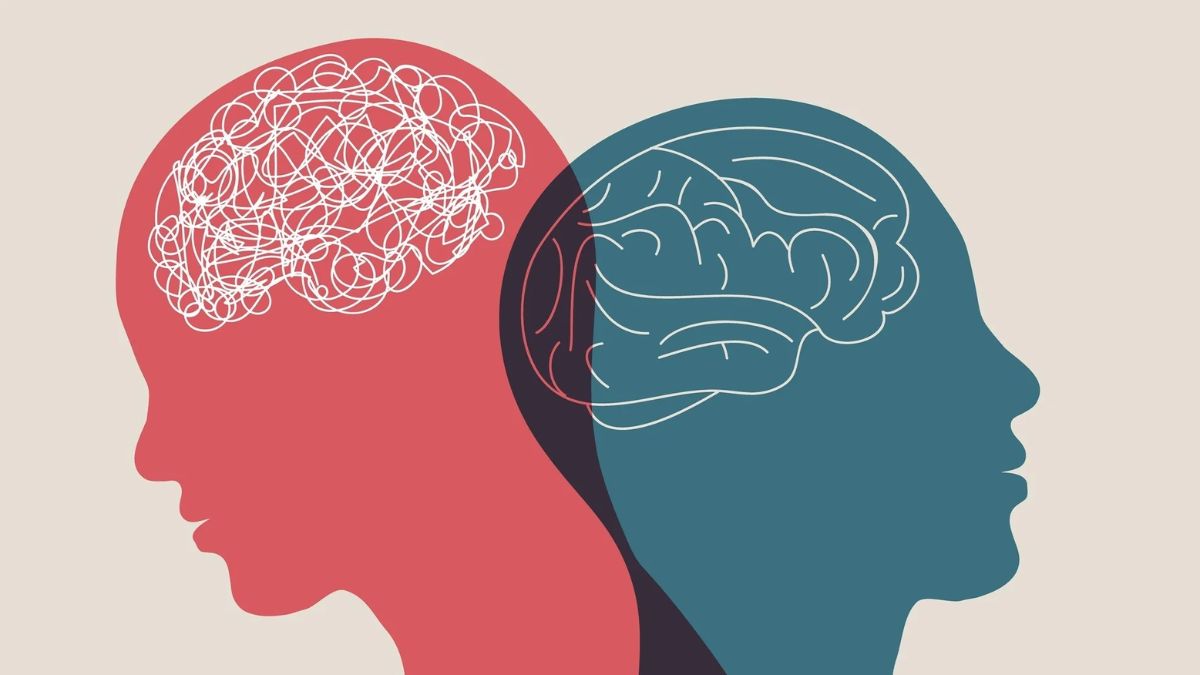
When your identity feels blurry, it can feel like you don’t fully recognize who you are anymore, even though nothing dramatic has necessarily happened. It’s more like your sense of self has become unclear or less stable than before.
One of the main reasons this happens is internal change. As your thoughts, values, and awareness evolve, your old sense of identity starts to loosen. The way you used to define yourself may no longer fully match how you think or feel now, but the new version of you hasn’t fully settled yet.
There is also the effect of transition. Identity is not something that changes instantly. It shifts gradually over time. In between these shifts, there is often a phase where you feel uncertain, like you are no longer the person you were, but not fully someone new either.
Another factor is inconsistency in behavior. You might notice that you act differently depending on your mood, situation, or environment. This variation can make it harder to feel like you have a clear, stable sense of who you are.
You may also be experiencing detachment from your past self. As you grow, the way you relate to your older choices, habits, or personality can change. You might feel distant from who you used to be, which can create a gap in your sense of continuity.
There is also the role of over-awareness. When you start observing yourself more closely, you begin noticing patterns and contradictions in your behavior. While this awareness is valuable, it can also make your identity feel less fixed and more fluid, which can feel confusing.
Another layer is external influence. The way you act in different environments or with different people can vary, especially if you tend to adapt to situations. Over time, this can blur your sense of a consistent core identity.
You might also feel pressure to “figure yourself out,” which can add stress to the process. Identity is often treated like something that should be clearly defined, but in reality, it develops gradually and is rarely fully fixed.
At times, this blurriness can feel like losing yourself. But more often, it is actually a sign that your identity is expanding and reorganizing. The old structure is no longer fully holding, and a new one is still forming.
What makes this phase difficult is the lack of clarity. You may struggle to answer simple questions about what you want, who you are, or what feels like “you.” That uncertainty can feel unsettling, especially when you are used to having some internal consistency.
Over time, as your thoughts and actions become more aligned with your current values, your identity begins to feel more stable again. It doesn’t usually return to exactly what it was before, but it becomes clearer in a new way.