

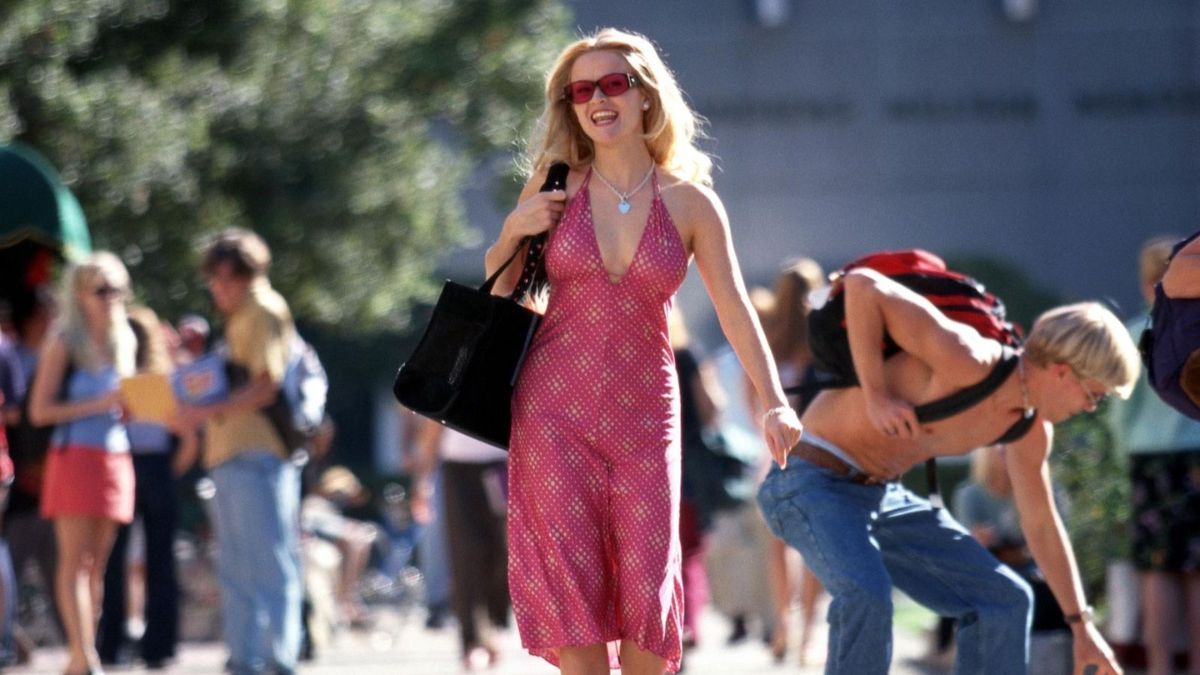
When self-expression turns into performance, it means a person is no longer being fully natural or honest with themselves. Instead of expressing what they truly feel, they begin shaping their behavior, thoughts, and emotions in a way that looks appealing, impressive, or acceptable. What starts as genuine sharing slowly becomes something that feels controlled and calculated.
At first, self-expression is simple. It is about saying what you feel, wearing what you like, or doing things that reflect who you are. There is no pressure attached to it. But over time, especially with constant exposure to other people’s lives, a quiet shift happens. You start thinking about how your choices will be seen. You begin to filter yourself, not because you want to, but because you feel you should.
This is where performance begins. Instead of asking “What do I feel?” the question becomes “How will this look?” or “Will this be liked?” Even emotions can start to feel staged. Happiness is exaggerated, sadness is softened, and vulnerability is shared only in ways that still look put together. It creates a version of you that is presentable, but not fully real.
One of the biggest reasons this happens is the need for validation. When appreciation, attention, or approval becomes important, self-expression can lose its honesty. A person might start doing things not because they truly enjoy them, but because they know it will be appreciated. Over time, this creates a gap between who they are and how they present themselves.
This shift can feel subtle, but its impact is heavy. It often leads to emotional exhaustion because maintaining a version of yourself takes effort. It also creates confusion, because when everything is filtered, it becomes hard to know what is actually real and what is just for show. A person may start feeling disconnected from their own emotions and choices.
Another effect is the loss of small, private moments. When everything feels like it needs to be shared or meaningful, there is less space for quiet experiences that exist just for you. Simple things like enjoying music, writing thoughts, or spending time alone lose their innocence when they start to feel like content instead of life.
The truth is, self-expression is meant to feel freeing, not draining. It does not need to be perfect, aesthetic, or impressive. It can be messy, inconsistent, and even unclear. That is what makes it real. Not everything you feel needs to be shown, and not everything you do needs to be understood by others.
When you notice that your expression feels more like performance, it is often a sign to slow down. To come back to yourself without an audience in mind. To allow your thoughts and feelings to exist without shaping them for anyone else. That is where authenticity quietly returns, in the moments where you are not trying to be seen, just trying to be.