

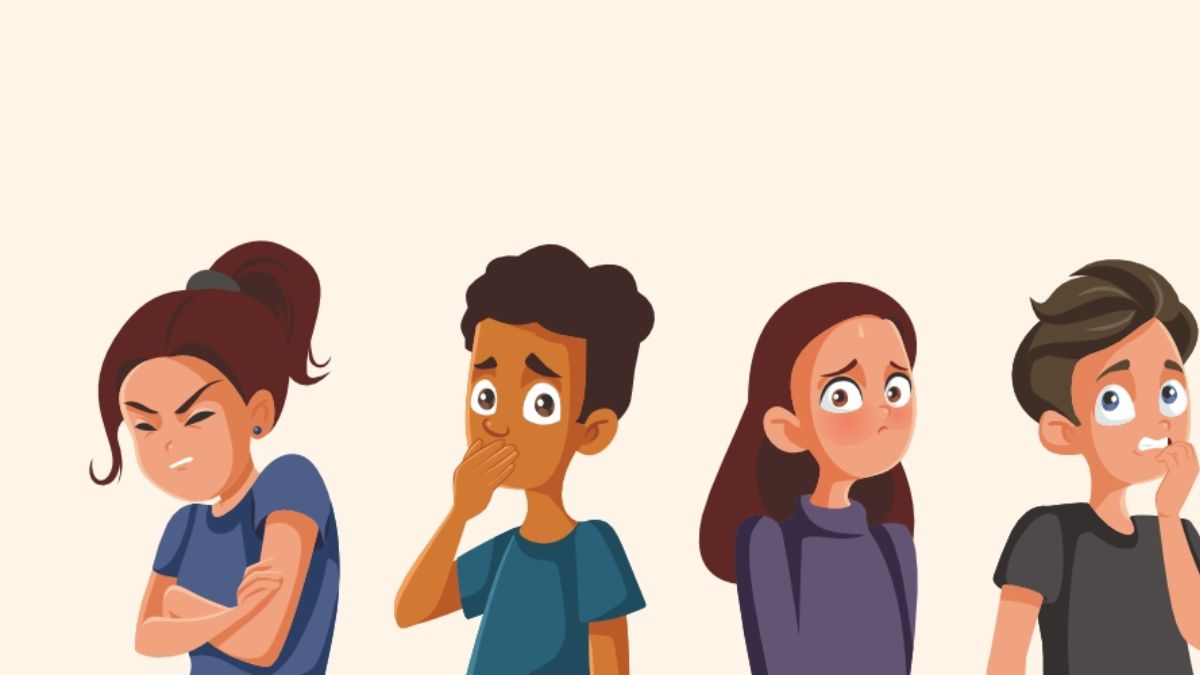
Growth creating internal conflict is more normal than it feels in the moment. It happens because two versions of you are active at the same time, and they don’t fully agree with each other.
One part of you is your past self. It’s built on habits, comfort, familiarity, and everything that has worked for you so far. It knows how to keep things stable. The other part is your evolving self. It wants change, alignment, and something that feels more true to who you are becoming.
When these two sides clash, it creates tension.
You might feel clear about what you want, but still hesitate to act. You might understand that something isn’t right for you anymore, but struggle to let it go. This isn’t confusion in the usual sense. It’s conflict between comfort and growth.
A big reason this happens is emotional attachment. Your past patterns, even the ones that don’t serve you anymore, were once useful. They helped you cope, fit in, or feel safe. So when you try to move away from them, your mind resists, not because it’s wrong, but because it’s protecting what it knows.
There is also fear involved. Growth often requires stepping into uncertainty. Your evolving self may want something new, but your past self is aware of the risks. That creates a push and pull where one side wants change and the other wants security.
Another layer is identity. You are used to seeing yourself in a certain way. When that identity starts shifting, it can feel unstable. You might question your decisions more or feel unsure about what truly represents you. This makes it harder to fully commit to change, even when you know it’s right.
You may also notice inconsistency in your behavior. Some days you act in alignment with your growth, and other days you fall back into old patterns. This can make you feel frustrated with yourself, but it’s actually part of the process. You’re not switching instantly, you’re transitioning.
There is also a mental load to holding both perspectives at once. You can see the benefits of change, but you can also see the comfort of staying the same. That awareness makes decisions feel heavier because you’re considering both sides deeply.
At times, this conflict can feel like you’re stuck. You know what needs to change, but you’re not moving forward as quickly as you expected. This can lead to self-doubt or impatience.