

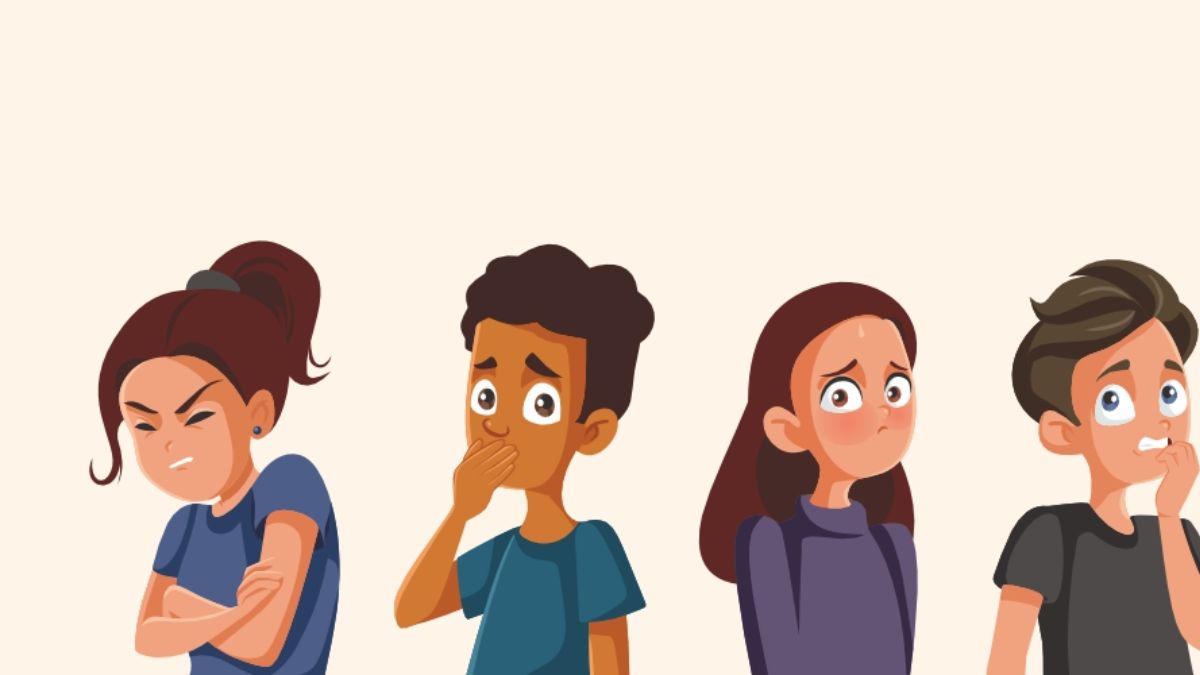
Personality debt is a way of describing what happens when a person has been shaped for so long by external expectations that their true personality becomes delayed, suppressed, or “owed back” to themselves later in life. It is not a clinical term, but it is a useful idea to explain why many people feel disconnected from who they really are.
At its core, personality debt builds up when someone repeatedly chooses adaptation over authenticity. Over time, they adjust their behavior, opinions, emotions, and even dreams to fit what is accepted, rewarded, or expected by family, culture, relationships, or society. On the surface, they may function well, but internally their real preferences and identity remain underdeveloped or unexpressed.
One reason this happens so commonly today is social conditioning. From an early age, people are taught how to behave in order to be accepted. They learn what is “right,” what is “successful,” and what is “normal.” When approval becomes more important than self-understanding, personality starts forming around external validation instead of internal clarity.
Another major cause is over-adaptation in relationships and environments. Many people learn to stay safe emotionally by adjusting themselves to others. They become the “easygoing one,” the “responsible one,” the “quiet one,” or the “strong one.” These roles are useful for belonging, but over time they can replace the natural expression of personality.
Personality debt also grows through constant distraction. In a world filled with social media, entertainment, and fast information, there is less time spent in self-reflection. Without inner awareness, a person may not even notice how much of their identity is being influenced from outside rather than formed from within.
Another factor is fear of rejection. When people worry that their true thoughts, interests, or emotions might not be accepted, they tend to hide them. This creates a split between the inner self and the outer self. The outer personality becomes socially acceptable, while the inner personality remains unexpressed.
Over time, this creates a feeling of emptiness or confusion. A person may start asking questions like why they feel disconnected, why nothing feels fully fulfilling, or why they are unsure of what they actually want. This is often the emotional signal of personality debt becoming noticeable.
It is important to understand that personality debt is not about having a “broken” identity. It is about underused identity. The traits, desires, and authentic expressions are still there, but they have not been given enough space to develop freely.
What makes this more common today is the speed of modern life. People often focus on performance, productivity, and external success without enough emotional or identity-based reflection. In this process, personality becomes something performed rather than something discovered.
The pressure to be consistent online and offline can also deepen this issue. When people maintain different versions of themselves for different audiences, it becomes harder to know what is genuinely them and what is adapted behavior.
The way out of personality debt is not sudden reinvention, but gradual self-reconnection. It begins with noticing where behavior feels forced, where choices feel automatic, and where life is being shaped more by expectation than preference. Slowly, small acts of honesty with oneself start rebuilding the connection to identity.
As this process continues, a person begins to feel more internally aligned. Preferences become clearer, expression feels more natural, and decisions start coming from understanding rather than pressure.
In the end, personality debt is the gap between who you have become through adaptation and who you naturally are when external pressure is removed. And while many people silently carry it today, it is not permanent. With awareness and gradual self-expression, that “debt” slowly gets repaid through a return to a more authentic and integrated sense of self.