

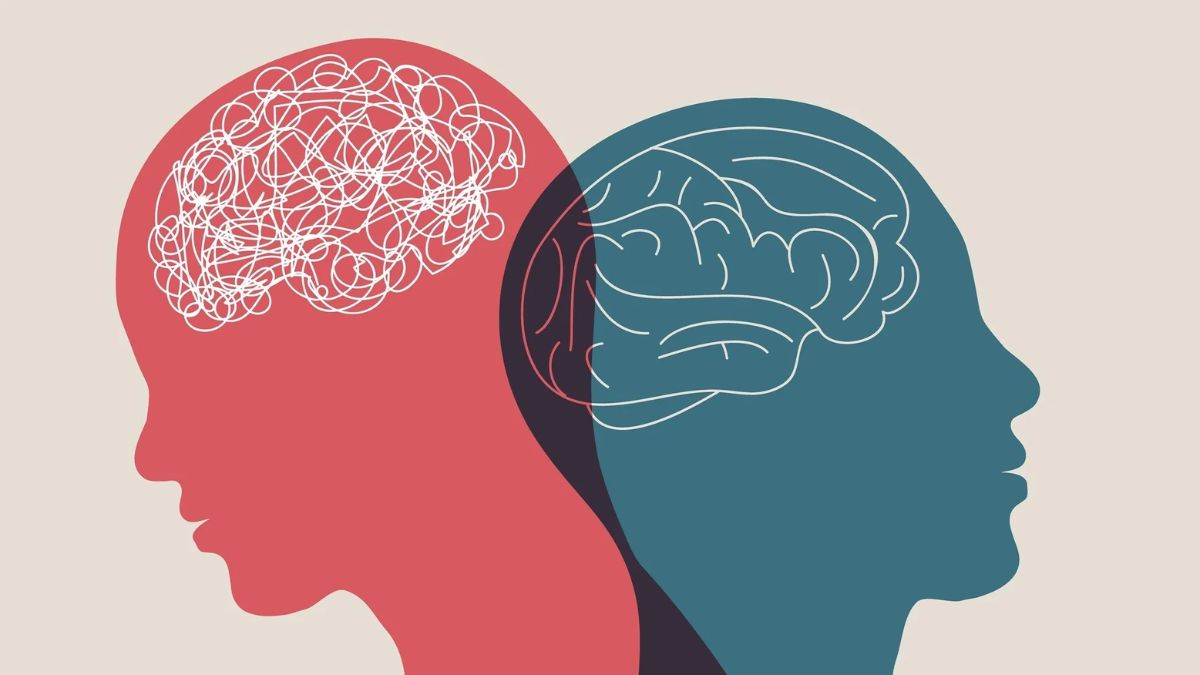
Identity built around others happens when a person starts defining who they are mainly through relationships, opinions, or expectations of people around them. Instead of having a strong inner sense of self, their identity becomes shaped by how others see them, what others need from them, or what others approve of.
One of the main reasons this develops is emotional dependence on connection. Humans are naturally social, and belonging is a basic emotional need. When connection becomes the primary source of emotional safety, a person may start adjusting themselves to maintain relationships, even if it means slowly losing touch with their own preferences or feelings.
Another reason is early conditioning. Many people grow up being rewarded for pleasing others, behaving in expected ways, or fulfilling roles within family or society. Over time, this creates a pattern where identity is built around approval and acceptance rather than personal exploration.
Identity built around others often forms through roles. A person may become “the responsible one,” “the helper,” “the understanding friend,” or “the one who always adjusts.” These roles feel stable because they are recognized by others, but they can also become limiting when they no longer reflect internal change.
Another important factor is fear of rejection. When identity depends heavily on relationships, there is often a strong desire to avoid conflict or disapproval. This can lead to suppressing personal opinions, desires, or boundaries just to maintain harmony. Over time, this creates a version of self that is more shaped by others than by inner truth.
This kind of identity can also come from lack of self-awareness. When a person has not spent much time reflecting on their own needs, values, or direction, it becomes easier to adopt external definitions. Instead of asking “what do I want,” the focus shifts to “what is expected of me” or “what will others think.”
One of the subtle effects of identity built around others is emotional confusion. A person may feel uncertain about their own preferences because they are used to adjusting based on different people and situations. This can create a sense of being different versions of oneself depending on who they are with.
Another effect is emotional exhaustion. Constantly adapting to others’ expectations requires effort. Over time, this can lead to burnout or a feeling of losing personal space within relationships. Even when surrounded by people, there may be a quiet sense of disconnection from oneself.
The difficulty with this pattern is that it can feel like love or care. Adjusting for others is not inherently wrong, and relationships do require compromise. The issue arises when adaptation becomes the primary way of existing, rather than a balanced choice. At that point, personal identity starts getting overshadowed.
Over time, awareness becomes the first step toward change. A person begins noticing moments where they automatically adjust, agree, or suppress themselves without thinking. These small observations help reveal where identity is being shaped externally rather than internally.
Gradually, rebuilding identity involves reconnecting with personal preferences, emotions, and boundaries. This does not mean rejecting others, but learning to include oneself in the equation. Instead of only asking what others need, there is also space for asking what feels true internally.