

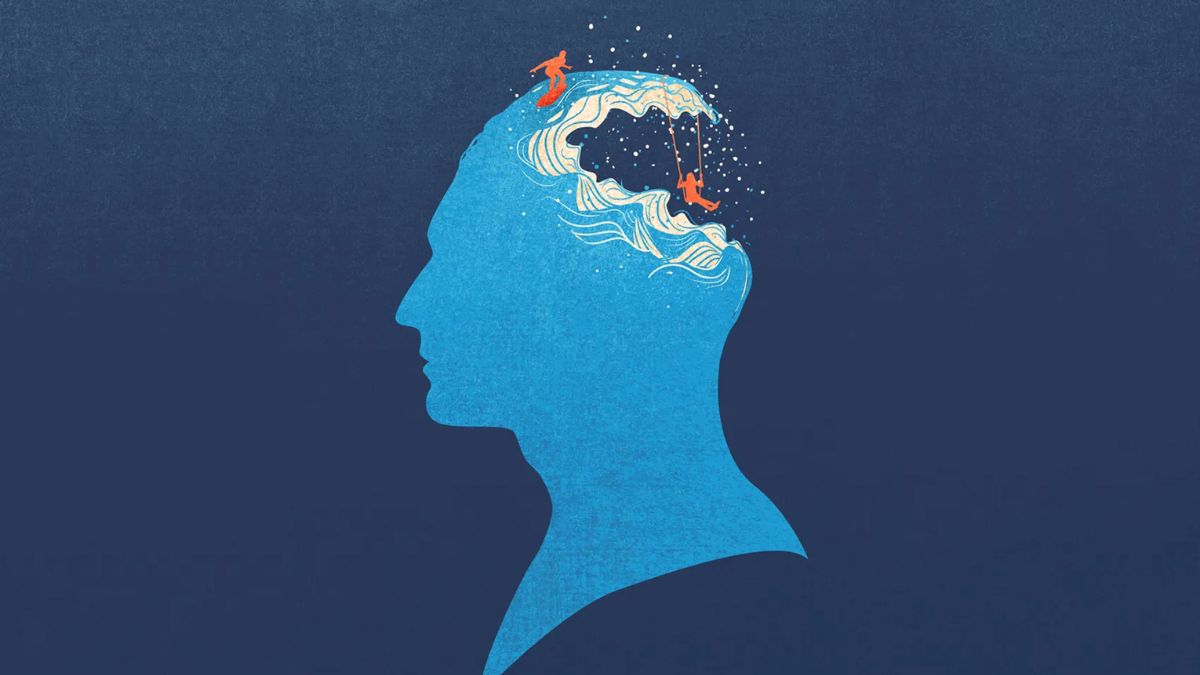
External validation needs arise when a person starts relying on approval, recognition, or acceptance from others to feel secure about themselves. It becomes a pattern where self-worth is measured through external responses instead of internal understanding.
One of the main reasons this need develops is early conditioning. From childhood, people are often rewarded for certain behaviors and corrected for others. Praise, attention, and acceptance start becoming signals of “doing well,” while disapproval feels like “doing wrong.” Over time, this creates an internal system where validation from others becomes linked with emotional safety.
Another reason is uncertainty about self-worth. When a person is not fully grounded in their own sense of value, they naturally look outward for confirmation. Compliments, likes, approval, or positive reactions then become temporary sources of reassurance. Without them, there can be doubt or discomfort about one’s own identity or decisions.
External validation needs are also strengthened by comparison. In environments where success, appearance, or behavior is constantly compared, people start measuring themselves against others. This comparison creates a constant search for external signals that they are “enough” or “on the right track.”
Social environments also play a role. In many spaces, attention and recognition are highly visible and rewarded. This can subtly reinforce the idea that being seen or approved of by others is essential for feeling valuable. Over time, this external feedback loop becomes emotionally addictive.
Another layer is emotional dependency. When validation from others becomes a primary emotional regulator, it starts influencing mood and self-perception. Positive feedback can temporarily boost confidence, while lack of feedback can create self-doubt or emptiness. This creates a cycle where emotional stability depends on external responses.
The challenge with external validation needs is that it is never fully stable. External approval is unpredictable. People’s opinions change, attention shifts, and circumstances vary. When self-worth depends on something unstable, emotional balance also becomes unstable.
It can also limit personal growth. When decisions are driven by what will be approved by others, rather than what feels right internally, a person may begin to suppress their own preferences, instincts, or goals. Over time, this can lead to disconnection from personal truth.
Another subtle effect is hesitation in self-expression. Fear of judgment or lack of approval can make people second-guess themselves or hold back their authentic thoughts and choices. Instead of acting from internal clarity, actions become filtered through how they will be perceived.
Reducing reliance on external validation does not mean ignoring others completely. Humans naturally need connection and feedback. The difference lies in whether validation is supportive or necessary for self-worth. When it is supportive, it adds encouragement. When it is necessary, it becomes dependency.
Gradually, this shift begins with awareness. Noticing when decisions are being influenced by external approval helps create space for more conscious choice. Over time, internal reference points begin to develop, where a person starts asking themselves what feels aligned rather than what will be accepted.
As internal validation strengthens, external opinions lose some of their control. Feedback still exists, but it no longer defines identity. Confidence begins to come more from self-understanding than from reaction to others.