

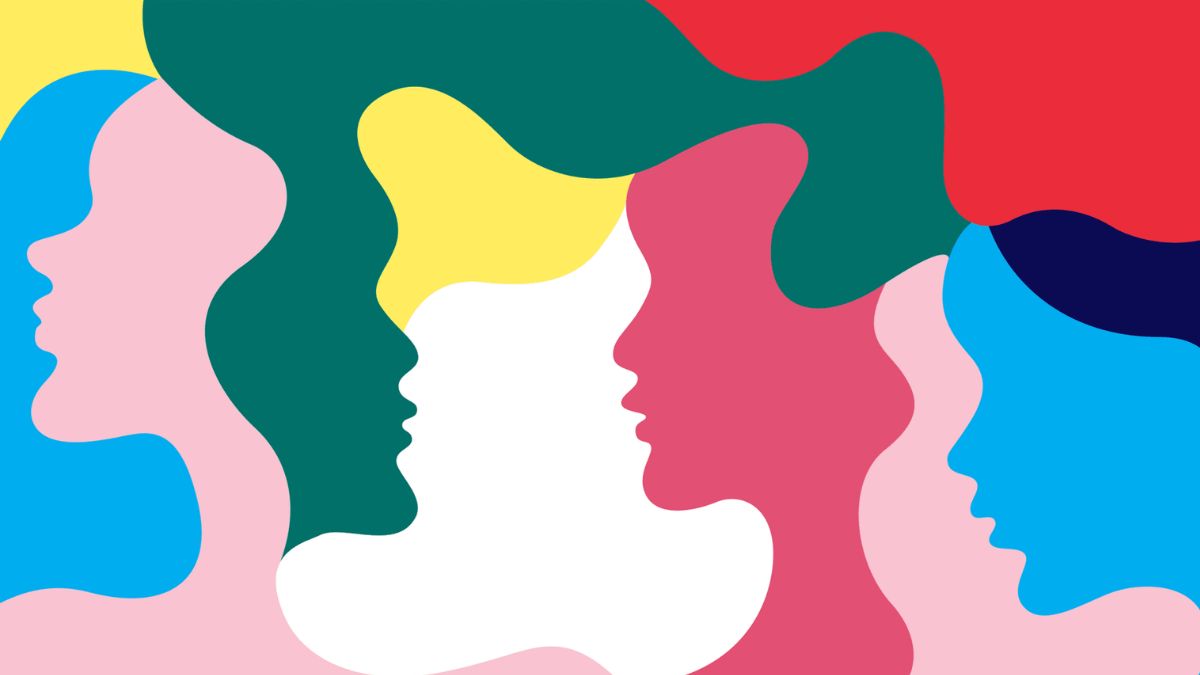
Cultural expectations are the unwritten rules, beliefs, and standards that a society teaches people about how they should behave, think, and live. They shape everything from career choices and relationships to lifestyle, appearance, and personal values. Even when they are not directly spoken, they are deeply present in everyday life.
One of the main ways cultural expectations form is through repetition. From a young age, people observe how others around them live and what is considered acceptable or respected. Over time, these repeated messages become internalized, and they start to feel like “normal” or “correct” ways of living.
Cultural expectations often influence identity without being fully noticed. A person may grow up believing they must follow a certain path, such as choosing specific careers, getting married at a certain age, or behaving in socially approved ways. These expectations can become so familiar that they feel like personal desires, even when they are actually shaped by external influence.
Another important aspect is belonging. Humans naturally seek acceptance within their community. Cultural expectations often provide a sense of structure and inclusion, helping people feel connected to others. Following these expectations can feel safe because it reduces the risk of judgment or exclusion.
However, cultural expectations can also create pressure when they do not align with personal values or individual growth. When someone’s inner preferences differ from what is socially expected, it can lead to internal conflict. A person may feel torn between staying true to themselves and meeting the standards of their environment.
This tension can show up in many areas of life, including education, career, relationships, lifestyle choices, and emotional expression. People may suppress parts of themselves to fit in, or they may feel guilty when they move in a direction that is not widely accepted by their culture.
Another layer is comparison. Cultural expectations often create a shared timeline for life milestones. When people feel they are not following that timeline, they may experience pressure or self-doubt, even if their path is still valid and meaningful in a different way.
Cultural expectations are not inherently negative. They provide structure, shared understanding, and social stability. They help communities function and give people a sense of guidance. The challenge arises when these expectations become rigid and leave little room for individuality or personal evolution.
As awareness grows, people begin to notice which expectations genuinely support their well-being and which ones feel limiting. This awareness creates space to differentiate between cultural influence and personal truth. It allows individuals to make more conscious decisions instead of automatically following inherited patterns.
Letting go of certain cultural expectations does not mean rejecting one’s culture. It simply means choosing which parts align with personal growth and which parts need to be redefined. This balance helps maintain connection to culture while also allowing individuality to exist.
Over time, many people find that they can still respect cultural values without being fully restricted by them. Identity becomes less about fitting into a fixed mold and more about integrating personal understanding with cultural context in a flexible way.