

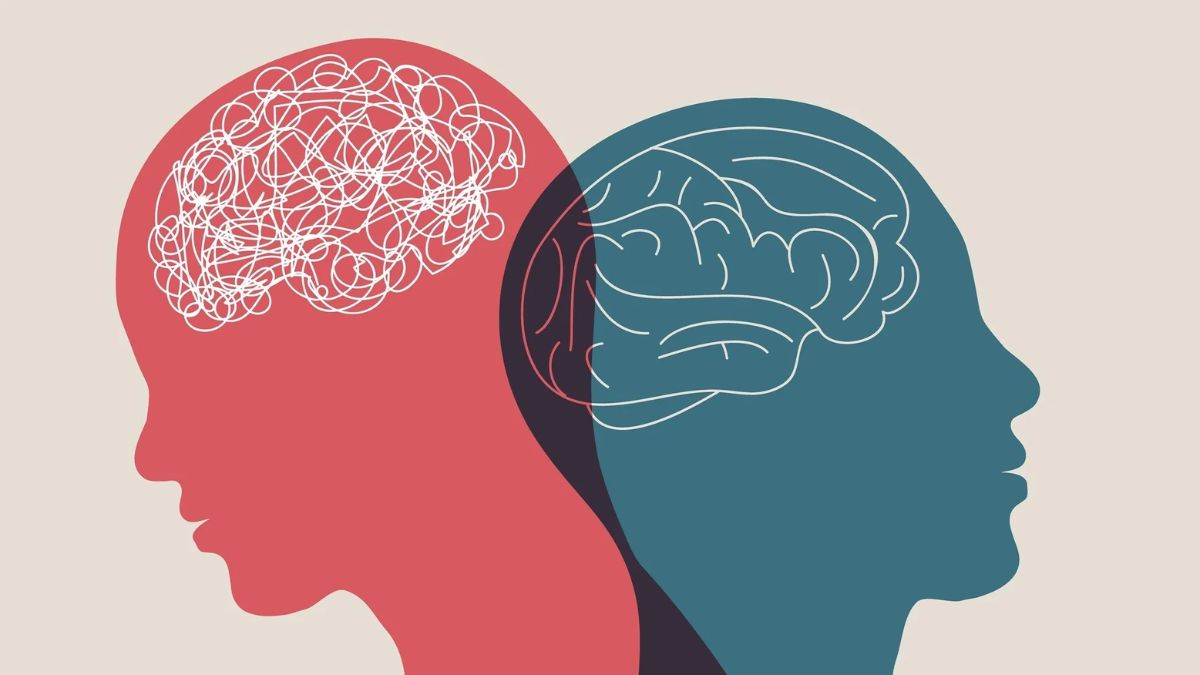
Avoiding risks is a natural human behavior that comes from the mind’s basic need for safety and stability. At its core, risk means stepping into uncertainty, and uncertainty often feels uncomfortable because the outcome is unknown. So the mind tries to protect itself by choosing what feels predictable, even if it limits growth.
One of the main reasons people avoid risks is fear of negative outcomes. There is often a strong focus on what could go wrong instead of what could go right. The mind tends to amplify possible losses, whether emotional, financial, or social, which makes safer options feel more appealing.
Another reason is past experiences. If someone has taken risks before that led to disappointment, failure, or emotional discomfort, the memory of that experience stays active. Even if the present situation is different, the mind uses that past outcome as a warning, which increases hesitation in future decisions.
Avoiding risks is also closely linked to the need for control. Risk involves stepping into situations where not everything can be managed or predicted. For people who feel more secure when they are in control, this lack of certainty can feel stressful. So they prefer situations where outcomes are already known or easier to manage.
Fear of judgment also plays a role. Many risks involve visible action, such as trying something new, expressing ideas, or making life changes. This visibility can create fear of how others might react if things do not go well. As a result, people may avoid taking action to protect themselves from criticism or comparison.
Another factor is comfort with familiarity. The current situation, even if not ideal, is already understood. The brain knows how to navigate it. Risk, on the other hand, requires adjustment and learning. This difference makes staying the same feel easier than stepping into something uncertain.
Perfectionism can also contribute to risk avoidance. When someone feels that they must succeed or perform perfectly, any chance of failure feels unacceptable. This mindset reduces willingness to try new things unless success feels guaranteed, which limits experimentation and growth.
Sometimes risk avoidance is also linked to self-doubt. If a person is not fully confident in their abilities or decisions, they may avoid situations where they could be tested or challenged. Instead of risking failure, they choose safety, even if it means staying in a limited space.
The challenge with avoiding risks is that it often slows down personal growth. Most meaningful changes in life require some level of uncertainty. Whether it is learning something new, changing direction, or expressing oneself differently, growth usually involves stepping outside of comfort.
However, risk is not about being reckless. It is about learning to tolerate uncertainty in a thoughtful way. Not every risk is necessary, but avoiding all risk can lead to stagnation, where life feels stable but unchanging.
Over time, people often realize that many risks feel larger in the mind than they are in reality. Once action is taken, the fear of uncertainty often reduces, and new information replaces imagined outcomes. This helps build confidence in handling unknown situations.
As awareness develops, risk-taking becomes more balanced. Instead of avoiding everything uncertain, people start evaluating which risks are worth taking and which are not. This creates a healthier relationship with uncertainty, where fear does not completely control decisions.