

Artificial intelligence is shifting the approach to workplace wellness by moving from reacting to exhaustion to spotting the early warning signs of burnout before they become overwhelming. In 2026, this technology acts as a quiet digital guardian that monitors the subtle patterns in your daily routine that often go unnoticed. By analyzing what researchers call digital biomarkers—the small, measurable traces of your behavior—AI can identify a decline in your mental energy long before you feel the physical effects of a breakdown. These systems look at a variety of factors, such as changes in the rhythm of your typing, a sudden increase in the time you spend on late-night emails, or even a decrease in how often you move during the day, to build a high-definition picture of your current resilience.
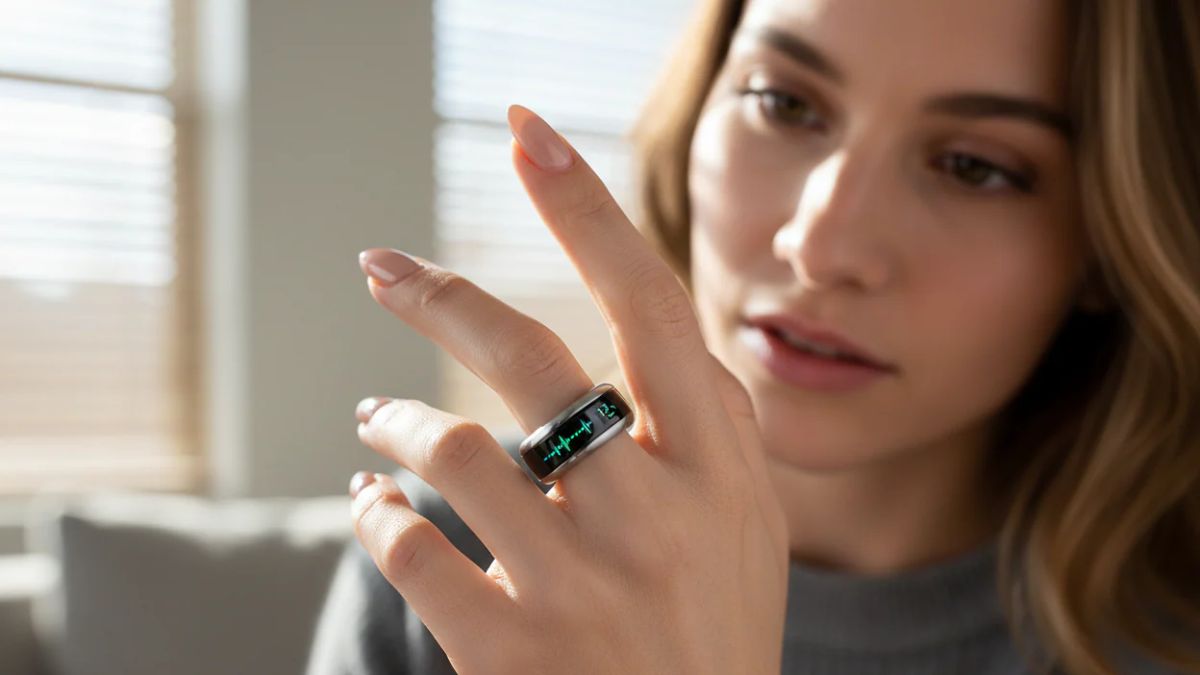
The real strength of these tools lies in their ability to combine your digital habits with physical data from wearable devices. By looking at your heart rate variability and sleep quality alongside your calendar density, an AI can detect when your body is stuck in a state of high-alert that leads to chronic fatigue. If the system notices that you are working long hours while your restorative sleep is dropping, it can provide a proactive nudge to help you adjust your course. This might mean the AI suggests rescheduling a non-essential meeting or automatically blocking off a “deep focus” hour to reduce the cognitive load of constant task-switching. This kind of timely intervention helps break the cycle of overwork by providing a moment of clarity exactly when your internal reserves are starting to dip.
In many modern professional environments, these systems are also being used to analyze communication patterns to ensure a healthier team dynamic. By using sentiment analysis to look at the tone of digital interactions, AI can flag when a person’s language becomes more cynical or detached, which are classic early indicators of emotional exhaustion. Rather than being used for surveillance, these insights are designed to help individuals and managers understand when a workload has become unsustainable. This allows for a more supportive workplace where tasks can be redistributed and “wellness milestones” can be celebrated, ensuring that productivity is built on a foundation of long-term health rather than short-term sacrifice.
Privacy and ethical design have become the cornerstone of burnout detection in 2026, with a heavy emphasis on keeping your sensitive emotional data secure. Many leading platforms now process information locally on your device or use “zero-knowledge” encryption, meaning your personal stress patterns remain your own and are only used to help you manage your well-being. By treating AI as a biometric mirror, you can gain a much deeper understanding of your own limits and learn to recognize the specific triggers that drain your battery. This collaboration between human intuition and machine intelligence empowers you to navigate a fast-paced career with more self-awareness, helping you stay energized and engaged without reaching the point of burnout.