

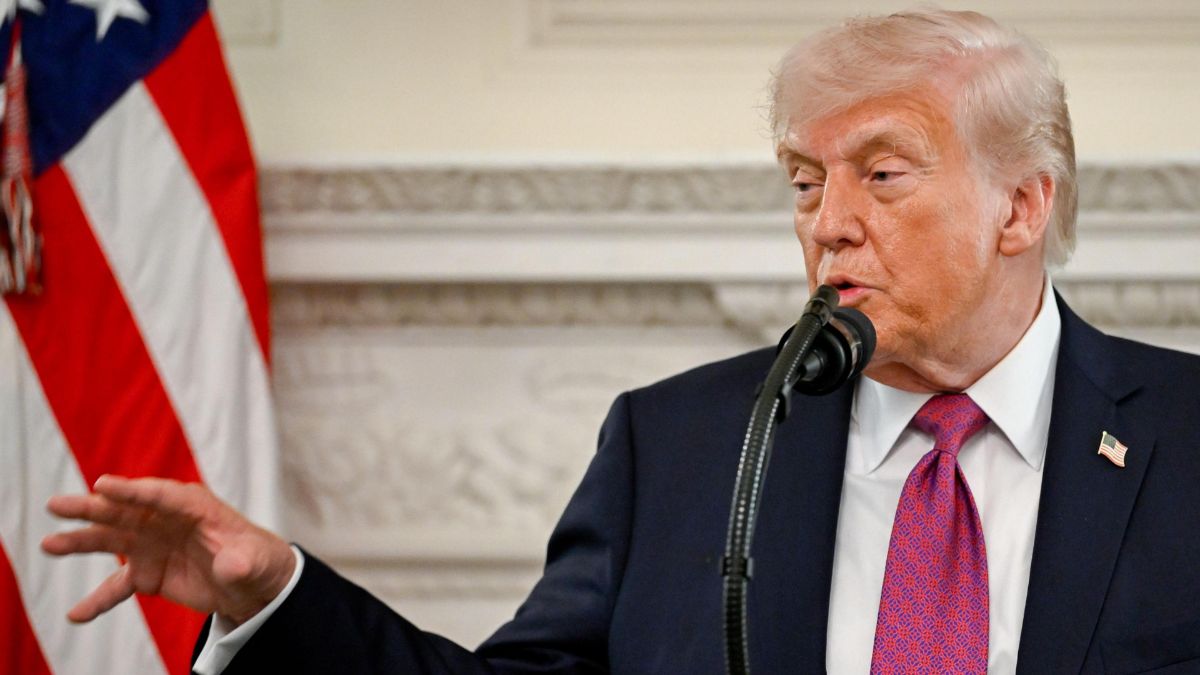
US President Donald Trump has once again taken a sharp public swipe at Germany’s leadership. This time he targeted German Chancellor Friedrich Merz. The remarks came through a strong statement where Trump said the German leader should focus on his own country instead of global conflicts.
Trump pointed to the ongoing Russia Ukraine war. He claimed Germany has not been effective in pushing for peace. He also said the war effort has been poorly handled and dragged on longer than needed. These comments add more heat to already strained ties between Washington and Berlin.
Trump criticizes Germany role in Ukraine Russia war
Trump said the German Chancellor should spend more time on ending the Ukraine Russia war. He suggested that Germany has failed to make real progress in influencing the conflict. The war has already lasted years and continues to strain Europe politically and economically. Germany has been one of the key supporters of Ukraine in Europe. Trump’s comments suggest disagreement with how that support has been handled.
Trump links Germany problems to immigration and energy
In his statement, Trump also criticized Germany’s internal situation. He pointed to immigration policies and energy challenges. Germany has faced pressure in recent years due to rising migration and shifts in energy supply after reducing dependence on Russian fuel.
Trump said the country should focus on fixing what he called its broken system. He argued that internal problems are more urgent than international political involvement. These remarks follow a broader pattern of Trump criticizing European domestic policies.
Iran nuclear threat and global security dispute
Trump also brought up Iran’s nuclear issue. He defended actions aimed at stopping Iran from developing nuclear weapons. He said such steps make the world safer, including Germany itself.
He accused the German leadership of interfering with efforts to deal with Iran. The US and its allies have long been concerned about Iran’s nuclear program. Germany has often supported diplomatic approaches rather than military escalation.
The statement highlights growing differences between the US and Germany on how to handle global security threats.
Overall, the exchange reflects increasing political tension between the two countries. It also shows how issues like Ukraine, Iran, immigration and energy are becoming deeply connected in global politics.