

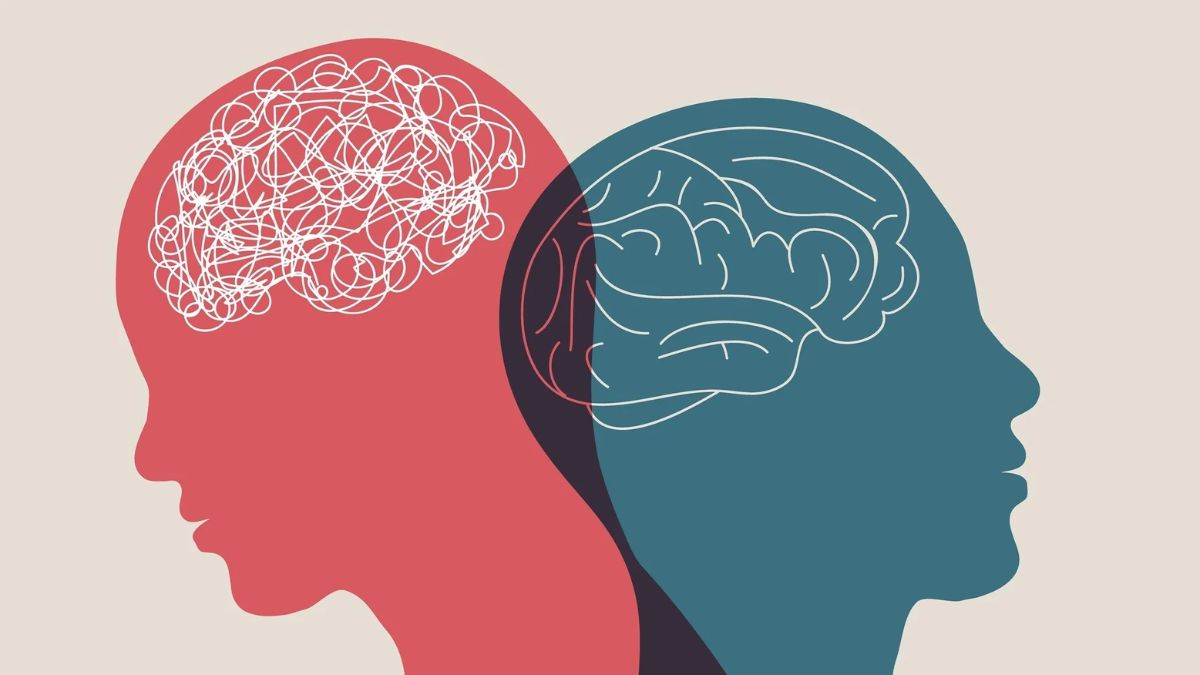
Staying busy to avoid change is a very common pattern, and it often looks productive from the outside while actually functioning as a way to delay emotional or life shifts that feel uncomfortable. People may fill their schedules, thoughts, and attention with constant activity so they don’t have to face decisions, feelings, or transitions that require adjustment.
One of the main reasons this happens is that change creates emotional discomfort. Whether it is changing habits, relationships, career direction, or personal identity, change often brings uncertainty. Staying busy gives the mind something immediate to focus on, which temporarily reduces the space for uncomfortable thoughts to arise.
Busyness also creates a sense of control. When life feels uncertain, having a packed routine can feel stabilizing. It gives the illusion that things are under control because there is always something to do, manage, or think about. But this control is often external, while internal clarity gets postponed.
Another reason is avoidance of decision-making. Real change usually requires making choices that may not have clear outcomes. Staying busy delays those choices. Instead of confronting a decision directly, a person may keep postponing it by saying they are “too occupied right now,” even when the real difficulty is emotional hesitation, not lack of time.
There is also a strong connection between busyness and distraction. When attention is constantly directed outward, there is less space for self-awareness. This makes it easier to avoid uncomfortable questions like what needs to change, what is no longer working, or what feels misaligned. Distraction becomes a quiet form of protection from inner discomfort.
Sometimes staying busy is also tied to identity. People may feel valued for being productive, responsible, or always engaged. Slowing down can feel unfamiliar or even uncomfortable because it removes that sense of identity. So busyness continues not just as activity, but as a way of maintaining self-definition.
Another subtle factor is fear of emotional pause. Stillness often brings clarity, and clarity can lead to realization that something needs to change. For someone not ready for that realization, constant activity becomes a way to avoid that moment of truth. It is not the tasks themselves that matter, but the avoidance of reflection that comes with stopping.
The difficulty with staying busy to avoid change is that it delays necessary transitions. While it may provide temporary relief, underlying situations remain unresolved. Over time, this can create a feeling of being stuck, even when life appears active on the surface.
It can also lead to emotional exhaustion. Constant activity without reflection does not allow space for processing experiences or understanding inner needs. This can result in burnout, confusion, or a sense of disconnect from oneself.
Real change usually begins when busyness is interrupted, even briefly. In moments of stillness, awareness starts to surface. This is where people often realize what they have been avoiding or postponing. While this can feel uncomfortable, it is also where clarity begins to form.
The shift does not require removing all activity from life. It simply requires creating small moments where attention is not constantly occupied. In those moments, thoughts and feelings become easier to recognize rather than avoid.