

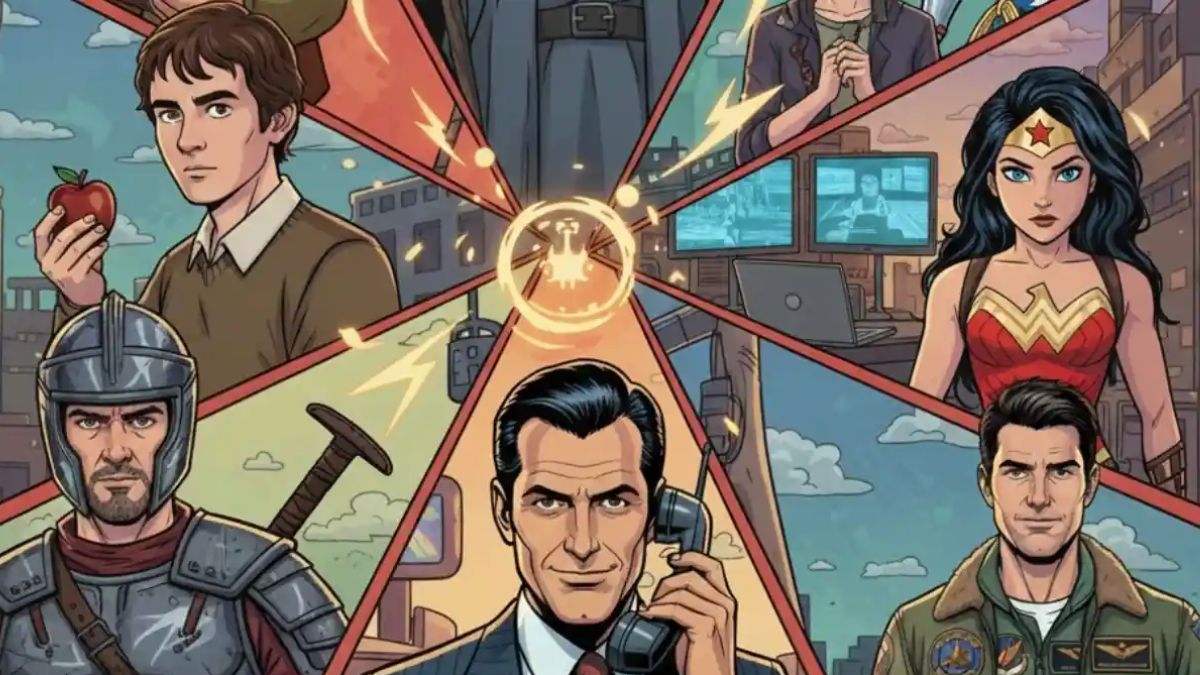
The idea of being the “main character” feels powerful because it puts you at the center of your own life. It tells you that your story matters, that your choices are important, and that you should live fully instead of shrinking yourself. In the beginning, it can feel like confidence, like finally choosing yourself.
But real life does not follow a script, and that is where the gap starts to show.
In the “main character” mindset, there is often a sense that every moment should feel meaningful or lead somewhere. There is an expectation of growth, clarity, and purpose. Even struggles are supposed to look like they are shaping you into something better. But in real life, things are not always that clear. Some days feel repetitive, some decisions feel confusing, and some phases feel stuck with no obvious lesson.
That difference can be uncomfortable. When life feels slow or uncertain, it can seem like something is wrong, as if you are not “living properly.” But the truth is, real life includes long periods where nothing dramatic happens. Growth is not always visible, and meaning is not always immediate.
Another place where it breaks is control. The “main character” idea quietly suggests that you are in charge of how your story unfolds. But reality includes other people, unexpected events, and situations you cannot control. Things do not always go the way you imagine, no matter how much you try to align everything. This can lead to frustration, because the expectation of control does not match how life actually works.
There is also a difference in how emotions are experienced. In a “main character” version of life, emotions often feel intentional and almost poetic. But in reality, emotions can be messy, confusing, and sometimes overwhelming without any clear reason. You might feel low without a storyline behind it, or happy without a big moment to explain it. That unpredictability does not fit neatly into a narrative.
Social comparison makes this break even more noticeable. When you see others presenting their lives in a polished, meaningful way, it can feel like they are doing it right while you are falling behind. But what you are seeing is often a curated version, not the full reality. Comparing your unfiltered life to someone else’s edited moments creates a false gap.
Over time, trying to hold onto the “main character” mindset too tightly can feel exhausting. It creates pressure to always be evolving, always learning, always becoming. Instead of living, you start evaluating your life as if it needs to meet a certain standard.
The reality is much simpler, even if it feels less exciting. Life is not always a story. Sometimes it is just a series of ordinary days, small choices, and quiet moments. Not everything has a lesson, and not everything needs to lead somewhere bigger.
The break happens when expectation meets reality. And strangely, that is not a bad thing. It is where you start letting go of the need to turn your life into something perfect or meaningful all the time. It is where you begin to experience life more honestly, without constantly shaping it into a narrative.
You do not stop being important when you let go of the “main character” idea. You just stop carrying the pressure of turning every moment into something it was never meant to be.