

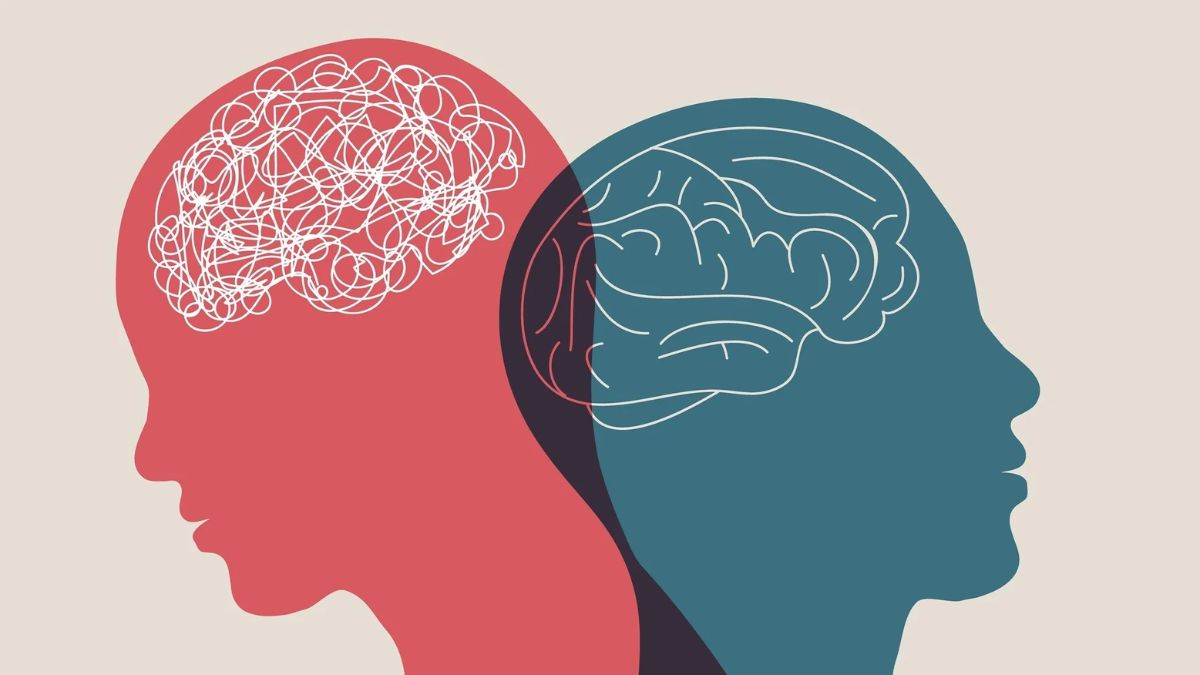
Lack of direction after growth is a phase many people experience, even though it often feels confusing or unexpected. It usually appears when a person has already changed internally, but has not yet found a clear external path that matches who they are becoming.
One of the main reasons this happens is that growth often removes old structures before new ones are fully formed. When habits, beliefs, relationships, or goals start shifting, the familiar sense of direction they once provided can disappear. This leaves a temporary gap where things feel open but unclear.
Another reason is identity transition. As a person grows, their inner sense of self begins to evolve. They may no longer fully relate to their past goals or motivations, but they are also still discovering what the new version of themselves wants. This in-between state can feel like being without direction, even though change is actively happening.
Lack of direction after growth is also connected to expectation mismatch. People often assume that growth should immediately lead to clarity, purpose, or a new plan. But in reality, growth is not always linear. Sometimes it first dissolves old certainty before revealing new clarity. That transitional uncertainty can feel like being lost.
Another layer is emotional reset. Growth often involves unlearning patterns, letting go of outdated beliefs, or stepping away from environments that no longer fit. Once these are released, there is often a quiet phase where the mind is no longer driven by old pressures. This silence can feel unfamiliar because the previous urgency is gone.
There is also the issue of external comparison. When others around seem to have clear goals or structured paths, it can intensify the feeling of being directionless. But what looks like clarity from the outside is often just a different stage of development. Each person’s timing of clarity is different.
A subtle part of this experience is that growth changes what feels meaningful. Things that once felt important may no longer feel aligned. This can temporarily reduce motivation because the internal reward system is adjusting. Without old drivers and without new ones fully formed, direction can feel unclear.
What makes this phase challenging is that it is often misunderstood as regression. A person may think they have “lost progress” because they don’t feel focused or driven. But in many cases, this is not loss, it is recalibration. The internal system is adjusting to new awareness before choosing a new direction.
Another important aspect is that clarity does not always appear before action. Many people expect direction to come first, followed by movement. But often, direction becomes clearer only after small steps are taken. Action creates feedback, and feedback slowly shapes understanding.
During this phase, there is also an opportunity for deeper self-awareness. Without a fixed direction, there is more space to observe what naturally attracts interest, what feels meaningful, and what no longer feels aligned. This openness can eventually lead to a more authentic path than the one that existed before.
Over time, what feels like lack of direction often turns into a quiet rebuilding process. Small interests begin to stand out, certain choices start feeling more natural, and internal motivation slowly returns in a more grounded form.