

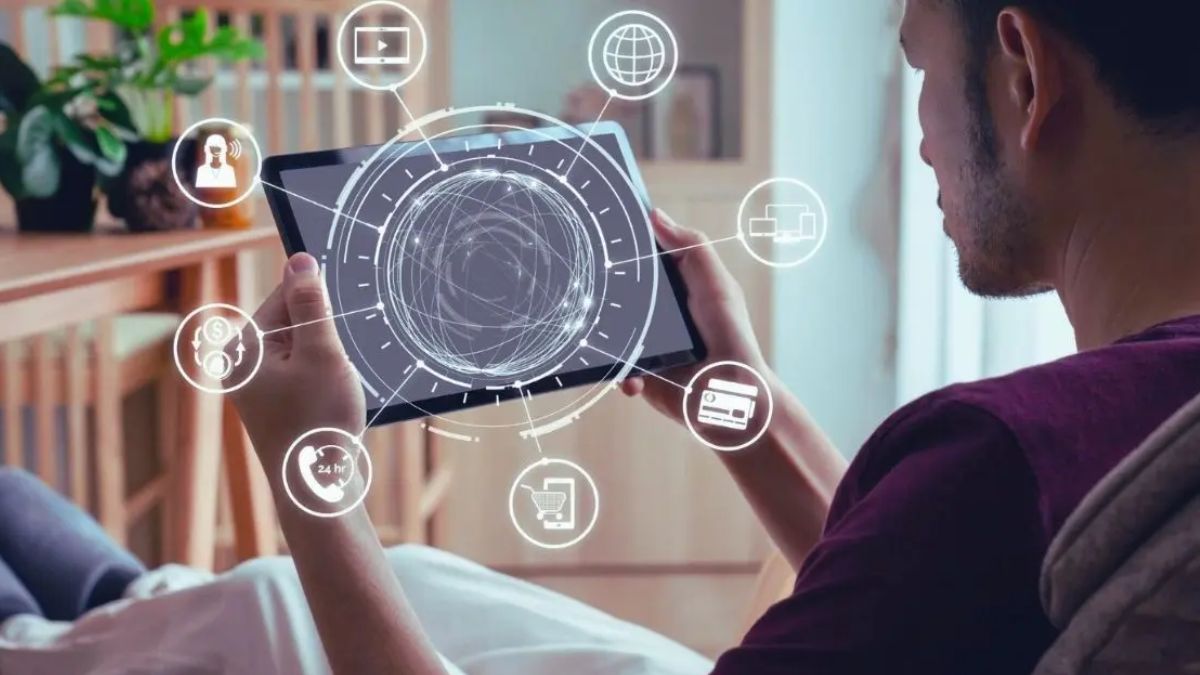
AI mood trackers predict your energy levels by utilizing machine learning algorithms to analyze “digital biomarkers,” which are the subtle patterns left behind by your daily interactions with technology. By monitoring variables such as your typing speed, the frequency of your social media engagement, and even the physical tremors detected by a smartphone’s accelerometer, these systems create a baseline of your typical behavior. When the AI detects a deviation—such as a sudden lag in your response time or a shift in the syntax of your messages—it can infer a drop in cognitive energy or emotional resilience before you are even consciously aware of the fatigue.
These trackers often incorporate “multimodal data” to increase their predictive accuracy, combining your digital footprint with physiological inputs from wearable devices. By cross-referencing your heart rate variability and sleep quality with your calendar density, the AI identifies specific triggers that drain your battery. This allow the system to calculate a “predictive energy score,” helping you visualize how a back-to-back meeting schedule might impact your mood hours later, effectively turning your personal data into a weather forecast for your mental well-being.
The underlying technology relies heavily on “affective computing,” a field dedicated to developing systems that can recognize and interpret human emotions through sensory input. Advanced models use natural language processing to scan the sentiment of your voice or text, looking for “micro-shifts” in tone that correlate with exhaustion or stress. Because these algorithms learn from your specific history, they become increasingly attuned to your personal “energy signature,” allowing them to suggest proactive interventions like a scheduled break or a change in environment exactly when your internal reserves begin to dip.
To maintain a healthy relationship with these predictive tools, it is helpful to view the AI as a “biometric mirror” rather than an absolute authority on your feelings. While the data can highlight hidden patterns in your productivity and rest, your subjective experience remains the ultimate guide. Taking a moment to check in with your own physical sensations after receiving an AI notification ensures that you are using the technology to enhance your self-awareness rather than outsourcing your intuition to a set of calculations.