

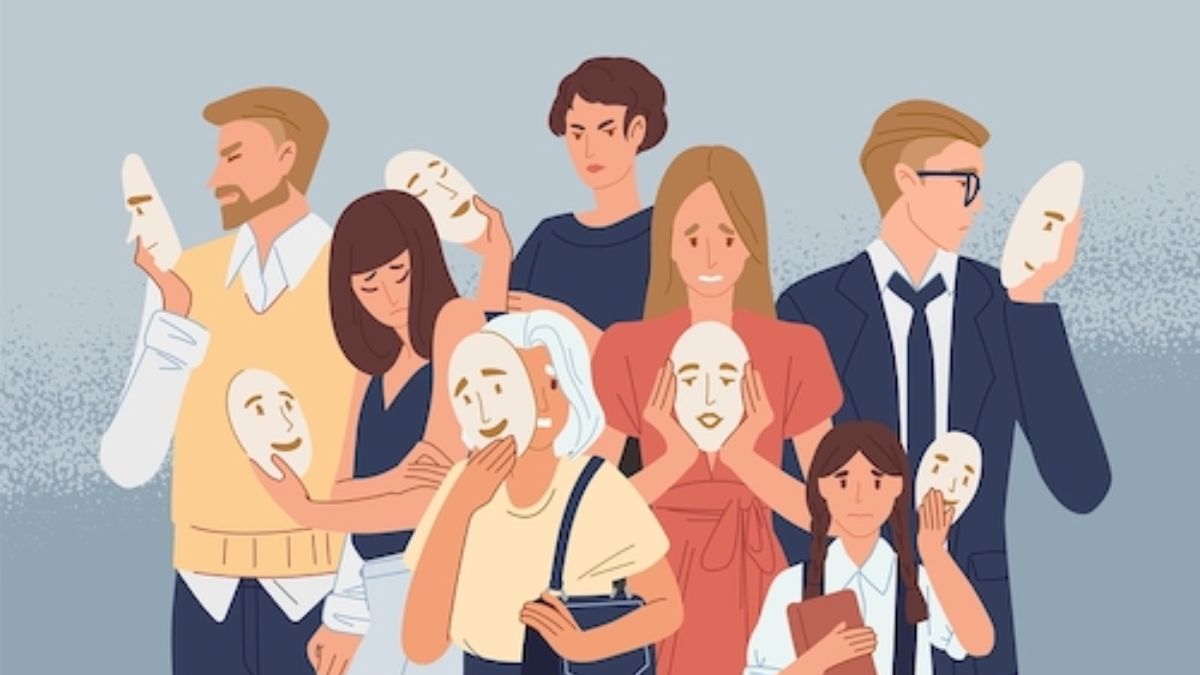
Growing faster than your environment can feel strangely isolating, like you’re expanding internally while everything around you is still operating on an older frequency.
One of the main reasons this happens is internal acceleration. Your thoughts, awareness, emotional depth, or ambitions may be evolving quickly, but your environment—people, routines, expectations—tends to change at a much slower pace. That mismatch creates a sense of being ahead of your surroundings.
There is also the effect of reduced resonance. As you grow, conversations, habits, or shared interests that once felt natural may start to feel less engaging. It’s not that they’ve become “bad,” but they no longer match your current mental or emotional direction.
Another factor is identity expansion. You begin thinking in new ways, questioning differently, and seeing possibilities your current environment doesn’t reflect. That can create a feeling that your inner world is larger than your outer one.
You might also experience subtle disconnection from people around you. Not necessarily conflict, but a shift in relatability. You may still care about them, but feel less understood or less stimulated in everyday interactions.
There is also the role of limited external feedback. Environments shape how we see ourselves. When your environment doesn’t reflect your growth, it can feel like your change is invisible or unsupported, even though it is real internally.
Another layer is lack of space for expression. If your surroundings don’t encourage or match your current interests, ideas, or emotional depth, you may start holding more of yourself inside, which increases the sense of mismatch.
You might also feel this when your goals evolve faster than your current life structure. You can see where you want to go, but your present situation hasn’t yet shifted to support that direction.
At times, this experience can feel like living slightly ahead of your surroundings, where your inner world feels updated, but your external world feels paused in an earlier version.
What makes this feeling difficult is that it’s not always about conflict or change, but about pace. You are moving, but everything around you feels slower in comparison.
Over time, this usually leads to gradual shifts—new people, new environments, new routines, or new interests that begin to match your updated self. Alignment tends to form naturally, but not all at once.