

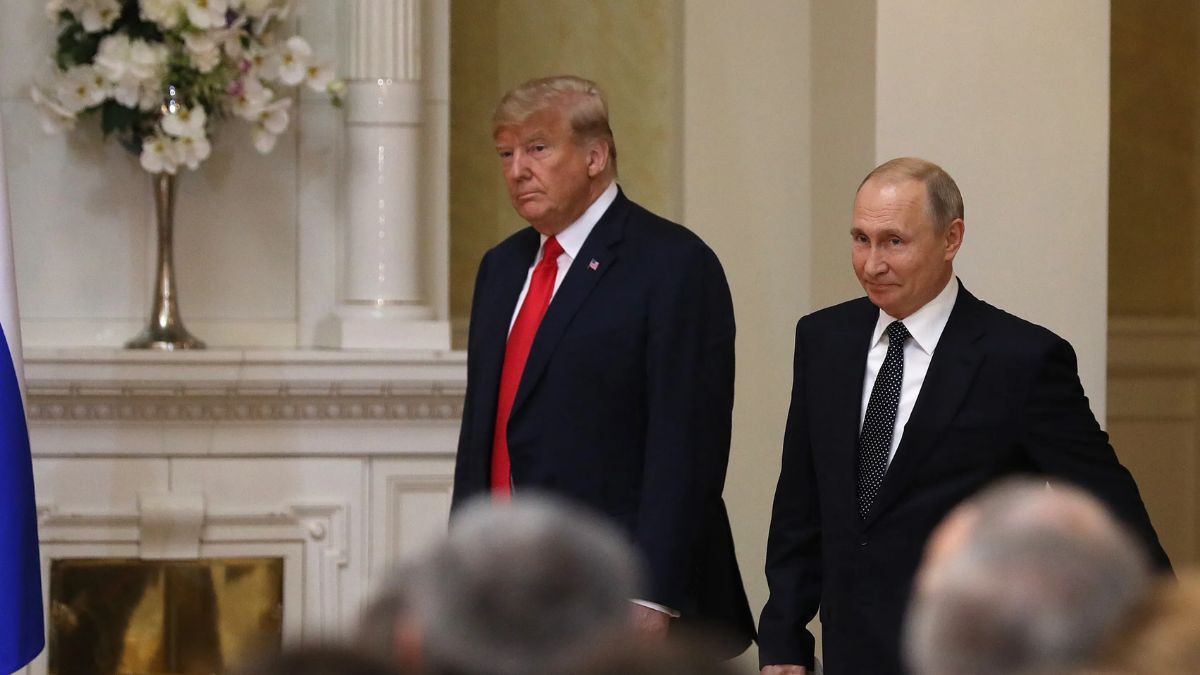
Global attention has shifted back to the Ukraine conflict after new diplomatic signals emerged between Russia and the United States. A long phone call between Vladimir Putin and Donald Trump has raised fresh discussion around a possible ceasefire, even as tensions on the ground remain high.
Putin’s Ukraine ceasefire proposal tied to Victory Day sparks diplomatic attention
Russian President Vladimir Putin has reportedly proposed a temporary ceasefire in Ukraine. The timing is linked to Russia’s upcoming Victory Day celebrations in May. This suggestion is being viewed as a potential short pause in fighting rather than a full resolution.
At the same time, Putin has accused Ukraine of using what he called terrorist methods. These remarks show that despite the ceasefire idea, distrust between both sides remains strong.
A Kremlin aide said the proposal was received positively by Donald Trump. Trump also reportedly believes that a broader deal to end the conflict could still be within reach. This adds a political layer to an already complex war situation.
Trump-Putin phone call lasts over 90 minutes and focuses on Ukraine war
According to Kremlin officials, Putin and Trump held a phone conversation lasting more than 90 minutes. The call was described as both friendly and businesslike.
During the discussion, Putin also condemned what he called an attempted assassination of Trump. This point added a personal tone to an otherwise geopolitical conversation.
The length of the call suggests serious engagement rather than a symbolic exchange. However, no formal agreement has been confirmed, and details remain limited.
Ukraine peace talks remain uncertain despite renewed diplomatic signals
Even with talk of a ceasefire, the situation remains uncertain. Past attempts at negotiation have not led to lasting results. Both sides continue to hold very different positions on core issues.
Markets and governments are watching closely because any shift in the war could impact global energy, security, and inflation trends. Ukraine remains a key geopolitical risk factor.
For now, the message from this development is mixed. There is renewed diplomatic communication, but no clear breakthrough. The possibility of a deal exists, but so do deep divisions that remain unresolved.