

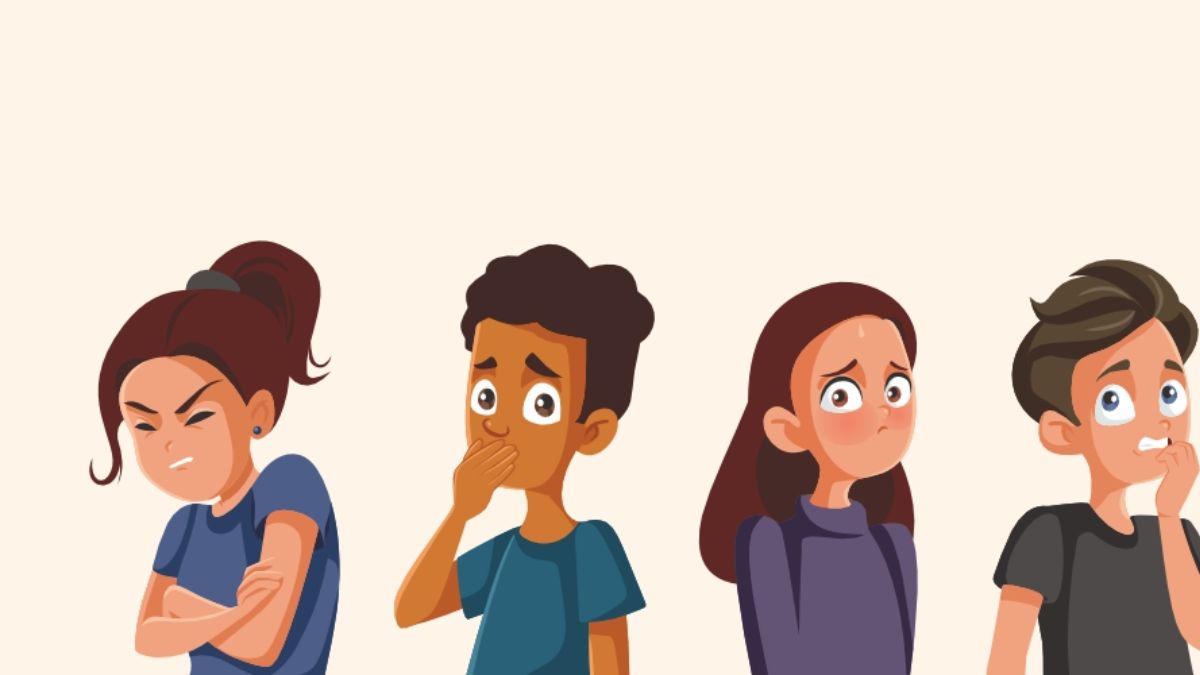
Attachment to old habits happens when certain patterns of behavior become so familiar that they start feeling like part of your identity. Even if those habits are no longer helpful, they still feel comforting because they are predictable, automatic, and emotionally familiar. The mind often prefers what it already knows over what is new, even when change would be better in the long run.
One of the main reasons this attachment forms is repetition. When you do something again and again, your brain builds strong neural pathways for it. Over time, those actions become easier to repeat than to change. So even when you consciously want to shift, the body and mind often default back to what feels effortless.
Old habits are also tied to emotional comfort. Many habits are not just actions, but responses to emotions. For example, scrolling endlessly, overthinking, avoiding tasks, or seeking instant comfort often come from emotional patterns like stress, boredom, or anxiety. Even if these habits are not productive, they provide short-term relief, which makes them harder to let go of.
Another reason for attachment is identity reinforcement. People often start associating habits with who they are. A person might think “I am just like this” or “this is how I always behave.” Over time, the habit stops being seen as something you do and starts being seen as something you are. This makes change feel like a threat to identity rather than just behavior adjustment.
There is also the fear of discomfort during change. Old habits feel easy because they are automatic, while new habits require effort, awareness, and repetition. The early phase of change often feels awkward or inconsistent, and the mind interprets that discomfort as a reason to return to what is familiar. So even when someone wants to improve, they may fall back into old patterns because they feel emotionally safer.
Another subtle factor is immediate reward. Many old habits are rewarding in the short term, even if they are not beneficial long term. The brain naturally prioritizes instant relief over delayed benefit. This creates a cycle where the habit continues because it provides quick emotional satisfaction, even if it leads to regret later.
Attachment to old habits can also come from environment. If your surroundings, routines, or people support certain patterns, it becomes harder to break them. The habit is not just internal; it is reinforced externally. This makes change feel like swimming against the flow of daily life.
What makes this attachment challenging is that it often feels like resistance without clear reason. A person may fully understand that a habit is not serving them, yet still struggle to let it go. This is because habits operate on both conscious intention and subconscious familiarity. Awareness alone is not always enough to break the pattern.
However, old habits are not permanent. They weaken when they are not reinforced and are replaced when new patterns are repeated consistently. The key shift happens when awareness turns into small, repeated action instead of pressure for immediate transformation. Change does not usually happen in a single decision, but through gradual replacement.
It also helps to recognize that letting go of a habit is not just about removing something, but about filling the space it leaves behind. When the emotional need behind the habit is understood, it becomes easier to find healthier alternatives that provide similar comfort or relief.
In the end, attachment to old habits is natural because habits are built for efficiency and emotional safety. But growth requires gently stepping out of what is familiar and allowing new patterns to slowly become part of who you are. Over time, what once felt difficult becomes normal, and what once felt like identity begins to shift into something more aligned with your present self.