

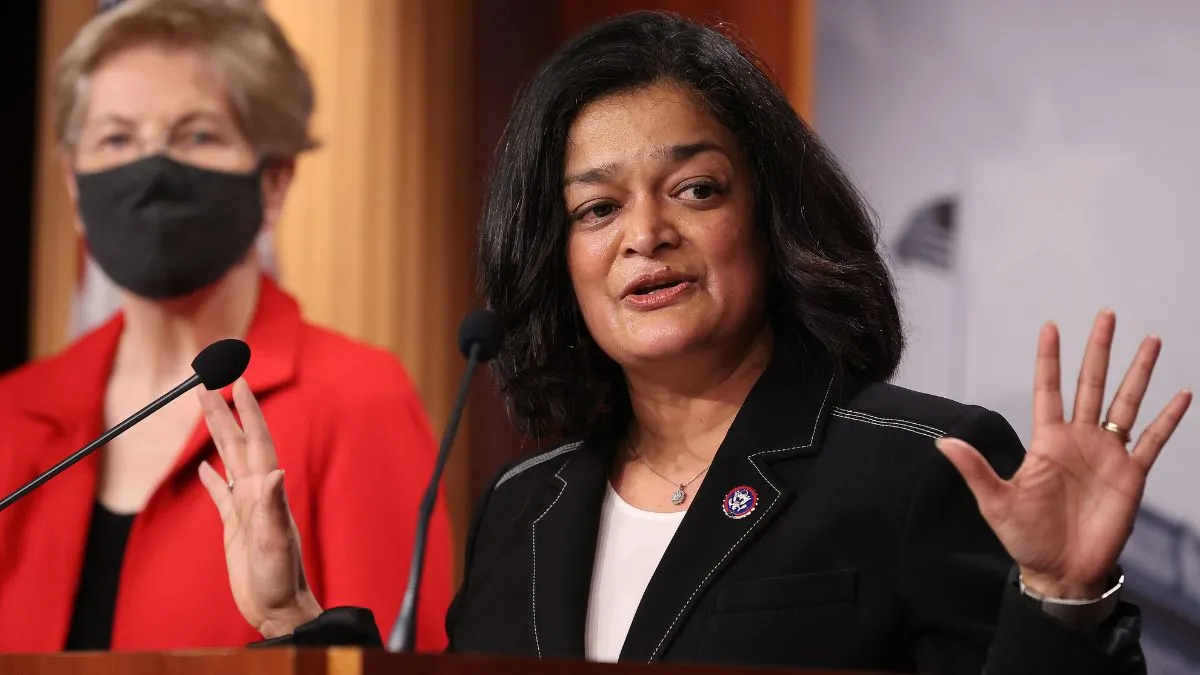
Arizona State Representative John Gillette is under heavy criticism after he publicly called for the execution of Democratic Congresswoman Pramila Jayapal. Gillette, who has previously expressed support for the January 6 insurrectionists, made the shocking comment on X (formerly Twitter) in response to a video Jayapal released in March titled “The Resistance Lab.” In the video, Jayapal discussed preparing for street protests against the Trump administration.
Gillette’s response was extreme and dangerous. He wrote, “Until people like this… are tried, convicted and hanged.” This wasn’t an anonymous internet comment, it came from a sitting state representative targeting a federal lawmaker simply for talking about organizing protests.
The incident highlights a troubling shift in political discourse. While politicians have always criticized their opponents, openly calling for someone’s execution crosses a line. It creates a climate in which violence is normalized and threatens the very foundation of civil dialogue in politics.
The implications are serious. Comments like Gillette’s don’t just stay online, they can inspire real-world harm. When someone in elected office encourages violence, it makes the political environment unsafe for everyone.
This situation also raises questions about accountability. What consequences, if any, will Gillette face for threatening a fellow lawmaker? His past support for the January 6 insurrection already indicated where his loyalties lie, but calling for a rival to be hanged escalates the danger to an entirely new level.
In short, this episode is a stark reminder of how rhetoric from those in power can shape the political climate. Threatening a political opponent with death isn’t just extreme, it’s a direct threat to democracy itself.