

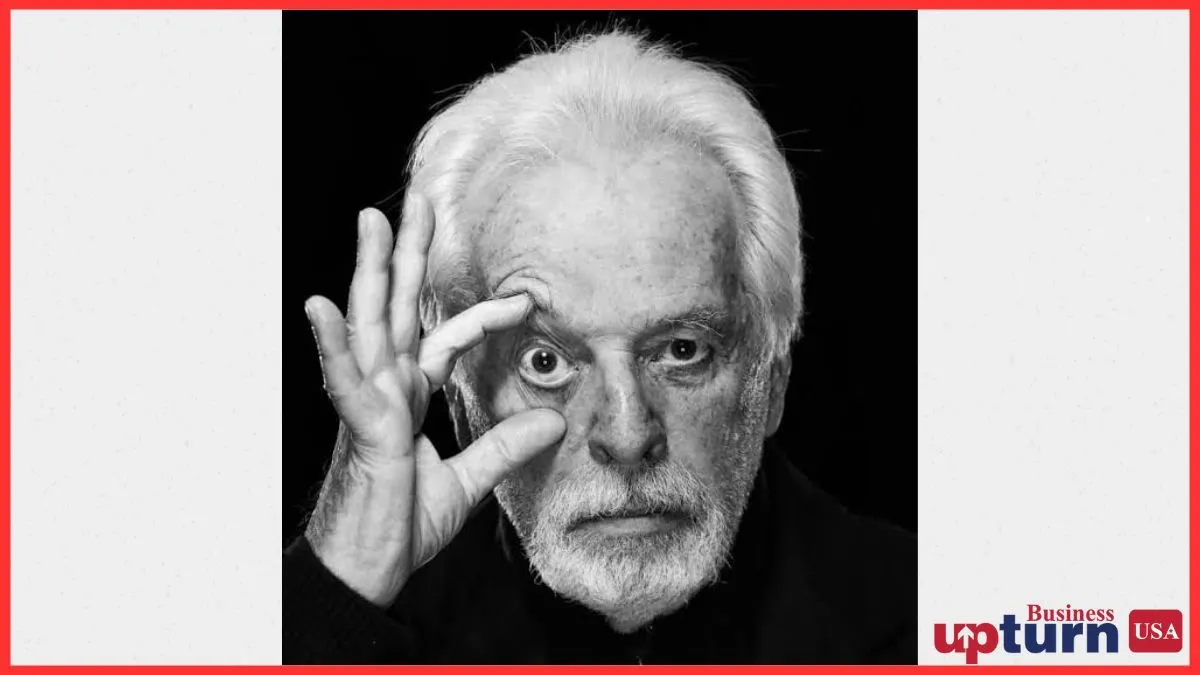
Alejandro Jodorowsky—known for surrealist cinema, Tarot mastery, psychomagic therapy, and esoteric teachings—has quietly constructed one of the most unconventional yet effective metaphysical business empires of the 21st century. Despite maintaining the image of a mystic shunning mainstream capitalism, Jodorowsky has built a lucrative, highly structured model of spiritual entrepreneurship that resonates especially with American Gen Z and Millennial audiences hungry for non-traditional healing, counterculture art, and radical storytelling.
This article explores the full landscape of the Alejandro Jodorowsky business model, tracing how the Chilean-French visionary monetises his work without dependence on Hollywood studios or corporate publishers. Through psychomagic therapy sessions, Tarot monetisation, book royalties, and independent crowdfunding, Jodorowsky has forged a revenue-generating model that marries metaphysics with creative independence—especially thriving among U.S. communities invested in spiritual reinvention and artistic rebellion.
Reimagining revenue: The architecture of the Alejandro Jodorowsky business model
Jodorowsky’s business model is less a corporation and more a decentralized spiritual machine, organically sustained by loyal niche audiences across the globe—especially in North America. Rather than pursuing wealth through traditional distribution networks, he has consistently leaned into direct-to-fan models that blur commerce with community.
From limited-run Tarot decks to surrealist comic books crowdfunded on platforms like Kickstarter, Jodorowsky leverages scarcity, mystique, and word-of-mouth virality to build both cultural capital and income streams. This model doesn’t just sell products; it sells initiation into a world—one where seekers pay not just for content but for metaphysical connection.
Psychomagic sessions and workshops as experiential offerings
A cornerstone of the psychomagic income stream is Jodorowsky’s unique brand of therapy—a blend of psychology, shamanic ritual, and performance art. While he rarely offers one-on-one sessions now due to age and public demand, Jodorowsky’s earlier years saw private clients (including artists, intellectuals, and Hollywood creatives) pay significant fees for psychomagic prescriptions.
More recently, workshops based on his methods—though often taught by trained facilitators or disciples—are licensed and monetised globally, including in U.S. cities like Los Angeles and Santa Fe. Participants often pay $300–$800 for weekend intensives, a figure that aligns with the boom in spiritual retreats and alternative therapy markets.
Tarot monetisation: Sacred divination meets digital-age commerce
Jodorowsky’s deep dedication to Tarot—particularly the Marseille Tarot system—has evolved into a multi-pronged business asset. He spent decades restoring the ancient deck with Philippe Camoin, and the result has been a set of cards that now serves both as a spiritual teaching tool and high-end collector item.
Jodorowsky sells premium decks, Tarot textbooks, and rare editions directly to audiences online, often via exclusive links, limited quantities, and collaborations with esoteric publishers. This has created a niche luxury Tarot market that appeals especially to Millennial and Gen Z seekers in the U.S. who value both mysticism and artisanal design.
Digital tarot readings and online expansion
While Jodorowsky himself does not offer regular virtual readings, his legacy has inspired a secondary market of Tarot readers who cite him as their lineage, often marketing services under banners like “Tarot as Jodorowsky taught it.” Platforms like YouTube, Etsy, and Substack host dozens of creators offering Tarot readings, sometimes charging up to $150 per session—many attributing their methods to his teachings. Thus, his spiritual intellectual property fuels a cascade of monetisation even in his absence.
Films and surrealist cinema as monetised intellectual property
Despite never having broken into the Hollywood mainstream, Jodorowsky’s cult films—El Topo (1970), The Holy Mountain (1973), and Santa Sangre (1989)—generate substantial income through licensing, streaming, and limited-run physical media. Companies like ABKCO and Anchor Bay have repeatedly reissued his work on Blu-ray and DVD, often with collectible packaging targeting fans of underground cinema.
His film catalog also enjoys a permanent residency on niche streaming services such as MUBI, Shudder, and The Criterion Channel—platforms whose U.S. user bases are composed heavily of cinephiles aged 18–35. These services not only pay licensing fees but also help maintain his digital mystique, ensuring his legacy continues to be monetised in alignment with cult consumer demand.
Hollywood’s failure, Kickstarter’s success
Though his much-mythologized Dune project (1974) was never completed, the story of that failed film spawned Jodorowsky’s Dune (2013)—a documentary that grossed over $650,000 in the U.S. alone and found strong post-theatrical life on Netflix and Amazon Prime. This paradox—of a failed project that becomes a profitable legend—exemplifies the unpredictable yet profitable nature of his countercultural capital.
Crowdfunding as modern mysticism: The power of niche patrons
One of the most striking pillars of the Alejandro Jodorowsky business model is his use of crowdfunded campaigns. In 2015, he launched a Kickstarter for his surrealist graphic novel series The Technopriests and later for the film Endless Poetry (2016). The latter raised over $400,000 on Kickstarter, with thousands of U.S. backers contributing at various reward tiers.
These campaigns weren’t mere fundraisers—they were rituals. Patrons weren’t just donating; they were initiating themselves into the Jodorowsky mythos, gaining signed merchandise, exclusive access, or spiritual blessings. For the millennial creative class, contributing to such campaigns became a form of both commerce and identity construction.
The rise of collector culture and scarcity marketing
Jodorowsky often accompanies these campaigns with limited-edition merchandise: signed storyboards, art prints, and Tarot collectibles. Scarcity plays a strategic role, making each object not just a product, but a relic—something spiritually charged. This taps directly into the American millennial and Gen Z obsession with ritual objects, authenticity, and experience economy.
Book royalties and the long tail of spiritual publishing
From Psychomagic: The Transformative Power of Shamanic Psychotherapy to The Way of Tarot and Manual of Psychomagic, Jodorowsky’s publishing catalog is both vast and evergreen. Unlike mainstream authors who rely on front-list sales, Jodorowsky’s books generate consistent royalties over long periods due to their sacred niche appeal and integration into spiritual curricula.
Major U.S. publishers like Inner Traditions, Destiny Books, and Penguin’s TarcherPerigee imprint have licensed his work, ensuring accessibility at mainstream outlets like Barnes & Noble while also saturating indie metaphysical bookstores in Brooklyn, Berkeley, and Sedona.
Integration into wellness and influencer culture
Jodorowsky’s writings are frequently quoted by influencers in the U.S. wellness space. On Instagram and TikTok, hashtags like #psychomagic and #jodorowskytarot have gained traction, often linked to paid services, workshops, or affiliate links. This indirect monetisation loop keeps his brand alive and expands his earning potential through royalties and intellectual property licensing.
Merchandising mysticism: Spiritual art as a collectible brand
Another income channel that powers the Alejandro Jodorowsky business model is merchandising—particularly exclusive art prints, Tarot decks, and signed graphic novels. These items are rarely mass-produced, reinforcing scarcity while catering to an audience that conflates spiritual investment with tangible ownership.
Many of these collectibles are sold through European galleries or limited U.S. distributors that market to underground comic shops, metaphysical boutiques, and art book fairs—appealing especially to American artists and spiritualists who value both esoteric knowledge and visual design.
NFTs and future-proofing metaphysical IP
While Jodorowsky himself has not fully embraced Web3 technologies, there is increasing speculation among spiritual entrepreneurs and digital artists about how his catalog could translate into NFT ecosystems. Rare Tarot cards, unreleased storyboards from Dune, or animated comic panels from The Incal could find new life as blockchain collectibles, creating revenue streams that require zero inventory but carry high symbolic weight.
Bypassing the mainstream: A case study in counterculture capitalism
One of the most defining traits of Jodorowsky’s business model is its rejection of corporate distribution. He does not rely on Netflix commissions, Marvel contracts, or academic appointments. Instead, his model thrives through word-of-mouth evangelism, cultural curation, and fan-driven platforms.
This method has proven not only sustainable but shockingly resilient. As of 2025, his work is taught in film schools, cited in psychological research, and adapted into theatre performances—none of which are centrally controlled, yet all of which extend his brand and earnings.
Teaching as intellectual franchising
While Jodorowsky does not run schools or academies, dozens of spiritual practitioners now host “Jodorowskian” Tarot workshops, psychomagic seminars, and healing circles across the U.S. These teachers often pay homage without formal licensing, creating a franchise-like ecosystem rooted in mysticism rather than contract.
Conclusion: Could Jodorowsky-style spiritual entrepreneurship redefine post-capitalist creative economies?
In a culture increasingly skeptical of tech billionaires and corporate monopolies, Alejandro Jodorowsky offers a radically different blueprint: one where metaphysics, creativity, and direct community relationships create self-sustaining income models. His approach may appear non-capitalistic on the surface, but it is deeply informed by scarcity marketing, brand mythmaking, and psychological storytelling.
As more American creators—especially in spiritual and artistic circles—search for ethical alternatives to traditional monetisation, the Alejandro Jodorowsky business model could become a case study in post-capitalist entrepreneurship. Imagine a future where healers, artists, and mystics don’t seek mass-market validation, but rather develop tightly knit ecosystems of seekers willing to pay for initiation, wisdom, and limited access. In that world, Jodorowsky wouldn’t just be a pioneer—he’d be a prophet of the new creator economy.
This article is intended for informational and editorial purposes only. It does not constitute endorsement or promotion of any individual, company, or entity mentioned. Business Upturn makes no representations or warranties regarding the accuracy, completeness, or reliability of the information provided.