

The US 30 year Treasury note yield has climbed to 5.18%, marking its highest level since July 2007. The sharp rise is drawing major attention across global financial markets as investors react to inflation concerns, rising government debt, and expectations that interest rates may stay higher for longer.
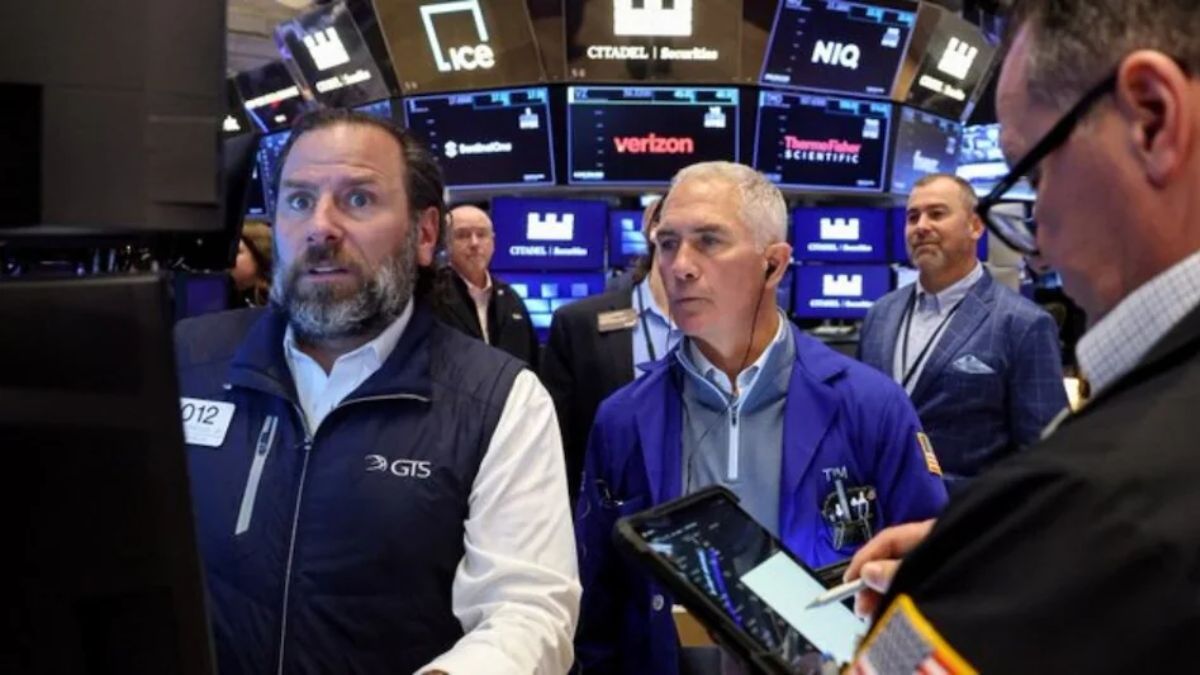
The move comes during a volatile trading session for Wall Street. Major US indexes including the Nasdaq and S&P 500 ended lower as bond yields continued pushing upward.
Rising Treasury yields are often seen as a warning sign for financial markets because they increase borrowing costs across the economy.
US Treasury yields jump to highest levels in nearly 19 years
The jump to 5.18% puts the US 30 year Treasury yield at its highest point since before the 2008 financial crisis.
Long term Treasury yields have been climbing steadily as investors demand higher returns for holding government debt amid persistent inflation worries and expanding fiscal deficits.
The latest move also reflects expectations that the Federal Reserve may keep interest rates elevated for a longer period instead of cutting aggressively.
Higher bond yields usually impact mortgages, business loans, auto financing, and credit costs for consumers.
Stock markets face pressure as yields rise
The sharp rise in yields added pressure on equity markets.
The Nasdaq recently fell more than 1.2% while the S&P 500 and Small Cap 2000 also closed lower. Technology and growth stocks are usually among the most affected sectors when bond yields rise because future earnings become less attractive compared to safer Treasury returns.
Investors are also becoming cautious about whether elevated borrowing costs could slow economic growth in the coming months.
The rise in yields also pushed the VIX volatility index higher, showing growing nervousness across financial markets.
Why rising bond yields matter for the global economy
Treasury yields play a major role in global finance because they influence borrowing and investment decisions worldwide.
When long term yields move sharply higher, governments and companies often face increased debt servicing costs. It can also strengthen the US dollar and tighten global financial conditions.
Analysts say markets are currently balancing several risks at once including inflation pressure, rising oil prices, strong government spending, and uncertainty around future Federal Reserve policy.
The last time the 30 year Treasury yield traded above 5% was before the housing crisis and global recession of 2008, which is why the current move is receiving significant attention from investors worldwide.
For now, traders remain focused on upcoming economic data and Federal Reserve commentary to see whether Treasury yields continue climbing or begin stabilizing near current levels.