

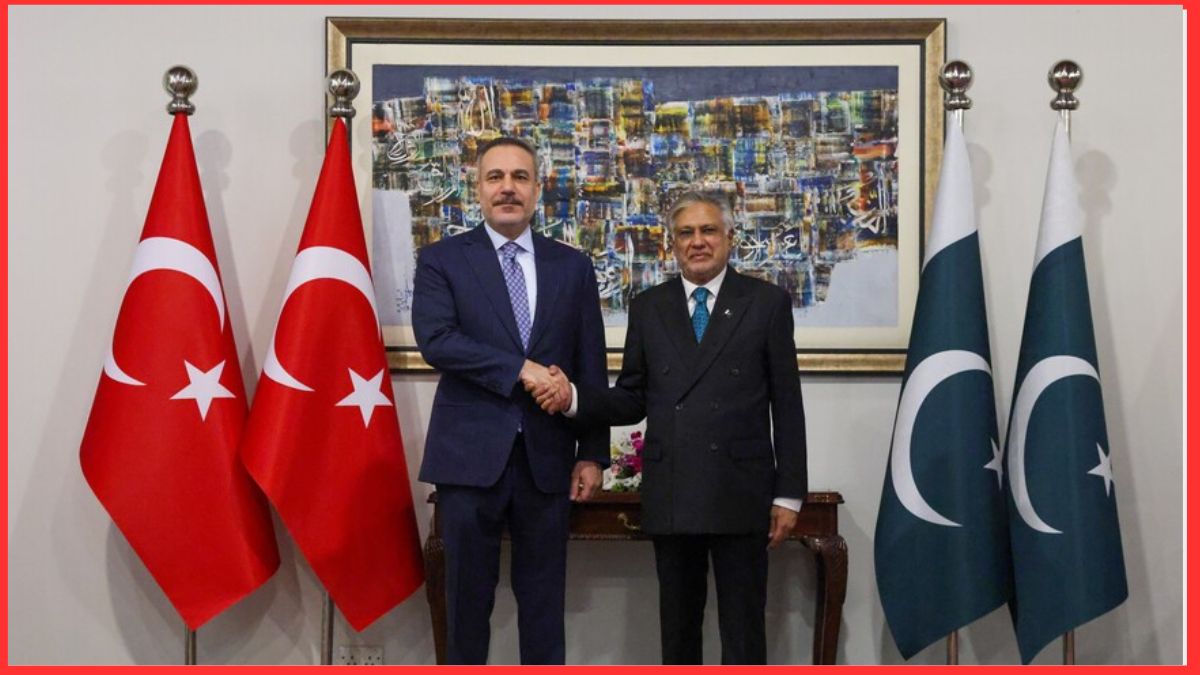
Senior diplomatic coordination between Hakan Fidan and Ishaq Dar has underscored growing regional engagement surrounding the recent United States–Iran negotiations, as both officials held a structured phone discussion addressing the trajectory of peace efforts. According to Turkish diplomatic sources, the exchange focused on assessing the outcome of the rare direct talks between the United States and Iran held in Islamabad, alongside evaluating immediate diplomatic steps in the coming days. The talks, hosted by Pakistan, concluded without agreement despite being positioned as a critical attempt to de-escalate tensions linked to the broader US–Israel conflict involving Iranian territory. Iranian authorities have reported that more than 3,300 fatalities have occurred since late February due to joint US–Israeli airstrikes, while Tehran’s retaliatory operations extended across multiple regional theatres, including Israel, Iraq, Jordan, and Gulf states hosting US military infrastructure. A two-week ceasefire currently remains in place, though its stability is widely regarded as uncertain. Within this context, Islamabad’s mediation role has gained prominence, with two Pakistani government sources informing Anadolu Agency that a second round of negotiations is anticipated imminently at Pakistan’s invitation. Concurrently, Prime Minister Shehbaz Sharif is scheduled to undertake diplomatic visits to Saudi Arabia and Türkiye, signaling coordinated efforts to reinforce multilateral engagement ahead of renewed talks.
Islamabad Talks Highlight Strategic Mediation Role Amid Ceasefire Fragility
The developments, as reported by Anadolu Agency citing official diplomatic and government sources, position Pakistan as an increasingly central intermediary in facilitating dialogue between Washington and Tehran, even as the absence of a formal agreement reflects persistent structural divergences between the parties.