

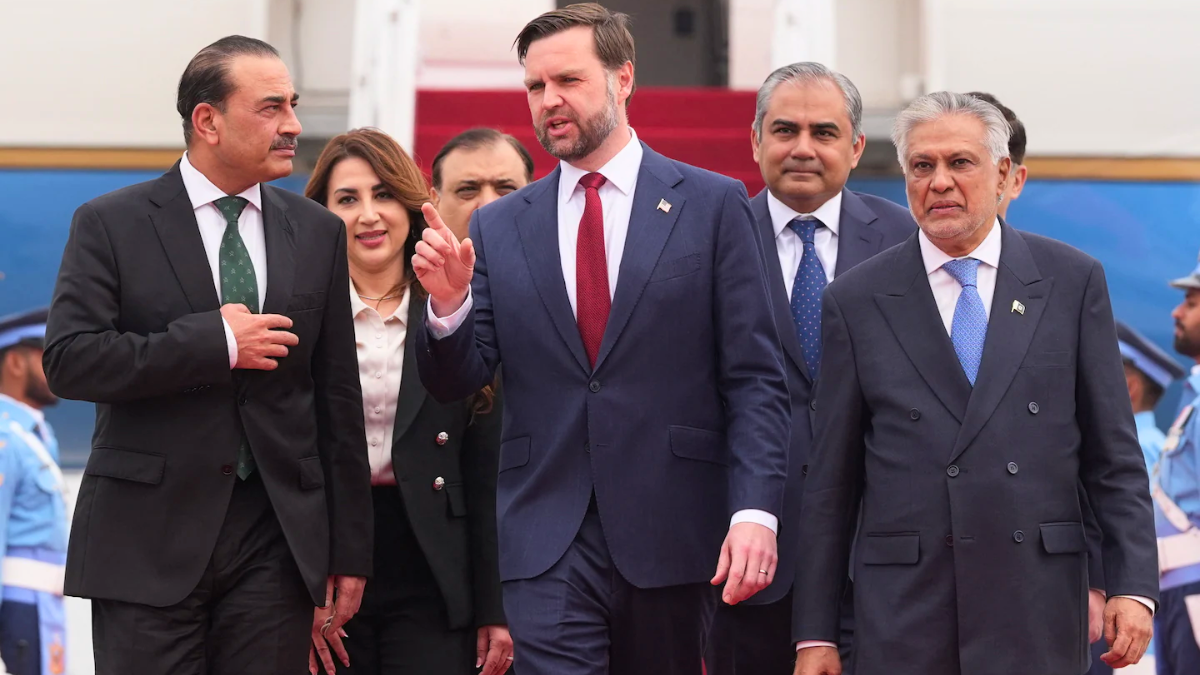
The high-stakes negotiations held between the United States and Iran ended after 21 hours of intense deliberation mediated by Pakistan, but ended without a breakthrough in finding common ground on behalf of each of the countries’ governments. This was the most significant direct contact between Washington and Tehran since the Iranian Revolution in 1979.
In an interview with reporters as he left Islamabad, US Vice President JD Vance, who led the American delegation, expressed disappointment that no agreement was achieved and stated, “The bad news is we did not come to an agreement, and that’s a lot worse news for Iran than it is for the USA.”
Referring to Tehran’s need to provide a “fundamental commitment” to stop developing Nuclear Weapons and related capabilities, Vance further urged Iran to live up to its obligations should it wish to pursue normal relations with the US.
The Iranian Foreign Ministry spokesperson stated, “No one expected an agreement would be achieved in a single session,” and noted that there will be continued contact between both countries with Pakistan and regional partners.
Foreign Minister Ishaq Dar of Pakistan encouraged both parties to maintain the current ceasefire and work toward establishing a long-lasting and durable peace while thanking both countries for using Islamabad as the mediator for these negotiations.
The negotiations were meant to establish a more stable ceasefire, given the continuing US and Israeli war on Iran that began on February 28. Over 2000 people have died in the conflict, along with the destruction of infrastructure and a worldwide energy crisis due to Iran’s limiting access through the Strait of Hormuz, restricting 20% of the world’s oil and gas. The talks also addressed Israel’s continuing military activity against Hezbollah in Lebanon.
Both sides said they were willing to meet again, but they have ongoing disparities regarding nuclear issues, regional security, and ceasefire violators. Analysts say that although the current situation is a blow to diplomacy, it does not mark the end of efforts to reach an agreement with regard to the volatile region.