

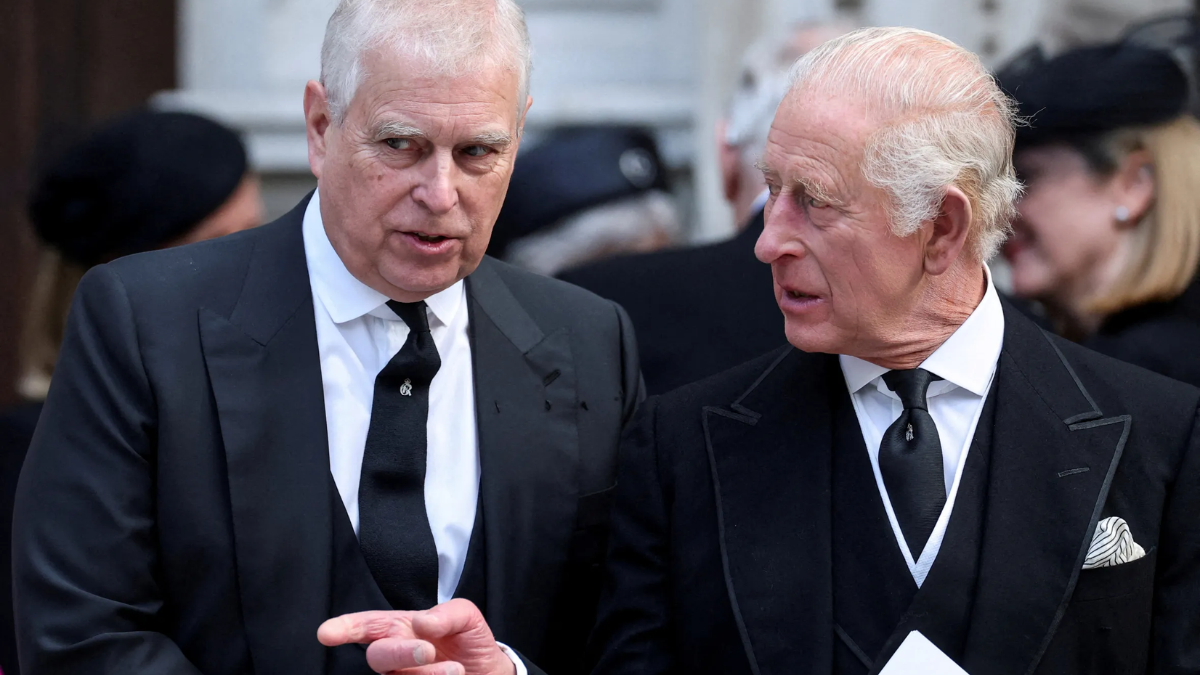
A U.S. lawmaker has asked King Charles III to meet Jeffrey Epstein survivors during his upcoming U.S. visit, turning a royal diplomatic trip into a fresh test of how far the monarchy is willing to engage with the scandal. The request is real, politically sensitive, and designed to keep pressure on both the Palace and the broader institutions connected to the Epstein case.
What the request is
Representative Ro Khanna has written to King Charles, urging him to meet Epstein survivors privately during the monarch’s planned U.S. trip. Khanna argues that the victims should be heard directly, especially because Epstein’s abuse network crossed borders and involved people linked to both the U.S. and the UK. The request is not just symbolic. Khanna framed it as a chance for the King to show moral leadership by listening to survivors at a moment when the monarchy is already under intense scrutiny over its past ties to Epstein-linked figures. That makes the proposal less about ceremonial diplomacy and more about accountability, public trust, and the image of the Crown.
Why it matters now
This is landing at a sensitive time because Epstein-related pressure has not gone away; if anything, it has broadened. Reuters has reported on continuing scrutiny in the UK over Prince Andrew’s Epstein connections, while U.S. lawmakers have kept pushing the issue into the public eye. In that context, asking King Charles to meet survivors is a way of saying the scandal is not confined to one man or one country. The political timing is also important because the visit is expected to include major public moments, including a possible address to Congress. That means anything the King does, or does not do, will be interpreted not only as a private decision but as a statement about how the monarchy handles difficult modern controversies. There is also a public relations dimension. A meeting with survivors would likely be praised by some as compassionate and overdue, but it could also be seen as placing the Crown in the middle of a highly contentious American legal and political fight. Refusing the meeting, however, could look like distance from victims and a reluctance to confront the past.
What is likely to happen
At the moment, the request looks like pressure rather than an agreed plan. There has been no public confirmation that the Palace has accepted the meeting, and the visit itself has been described as planned rather than fully locked in. That means the lawmaker’s letter is still part of an active campaign to shape the agenda before the trip happens. If the meeting does happen, it would carry strong symbolic weight. It would signal that the monarchy is willing to listen to survivors and acknowledge the human damage caused by Epstein’s network, even if only indirectly. If it does not happen, the criticism will likely focus on missed moral leadership and on the continued sensitivity around Andrew’s ties to Epstein. The bigger picture is that this is not just about one royal visit. It is about whether institutions linked to power and prestige are willing to face survivor testimony directly, or whether they prefer to keep the issue at arm’s length. That is why this story has gained traction: it connects the Epstein scandal, royal reputation, transatlantic politics, and the public demand for accountability in one moment.