

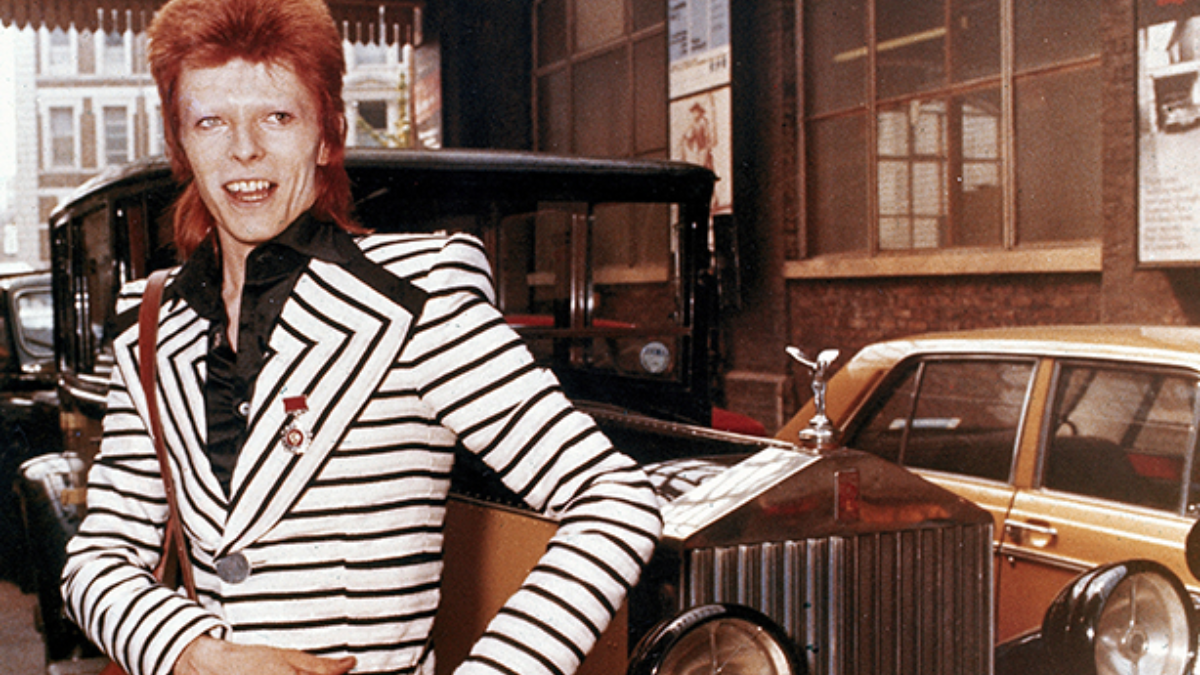
The claim that the 2020s are shaping up to be a worse decade is, at heart, an emotional judgment rather than a statistical one. But it is easy to see why it resonates. The period has already been marked by pandemic fallout, economic strain, political instability, and a broader feeling that the world has become less playful, less certain, and less humane. Within that mood sits a quieter cultural loss: the absence of David Bowie, whose death in 2016 still feels like a break with a more imaginative past.
Why Bowie still matters
Bowie was never just a musician. He was a symbol of reinvention, creativity, and deliberate strangeness in a world that often rewards sameness. His work offered more than hit songs. It permitted people to be contradictory, theatrical, vulnerable, and experimental all at once. That kind of cultural presence is hard to replace because it operates on more than one level: as art, as style, and as a kind of emotional companionship for people trying to make sense of themselves. Part of the reason his absence is felt so strongly is that Bowie represented a type of public figure that seems rarer now. He was glamorous without being bland, ambitious without being predictable, and intellectually serious without becoming inaccessible. In an era where fame is often flattened into content, Bowie stands out as someone who treated identity as something fluid and art as something alive. Losing that voice leaves a gap that is not easily filled by newer stars, however talented they may be.
A decade shaped by unease
The idea that the 2020s are worse than the years that came before is not just nostalgia talking. The decade has opened with a series of shocks that have unsettled daily life across the world. The pandemic changed how people work, travel, and relate to one another. Inflation and the cost of living crisis have made ordinary life harder for millions. Wars, climate anxiety, and political polarisation have added to the sense that stability is becoming harder to find. That is why cultural loss matters more than it might in calmer times. When people feel exhausted by the news, they often turn to artists who can provide perspective, escape, or renewal. Bowie did that unusually well. He could be futuristic without being cold, melancholy without being self-pitying, and strange without becoming distant. In a decade defined by burnout and fragmentation, the memory of that kind of artistry can make the present feel even thinner by comparison.
The power of absence
What makes the line powerful is not only what it says about Bowie, but what it says about now. It suggests that the 2020s are not merely difficult in a practical sense; they are also spiritually flatter. Bowie’s absence becomes a shorthand for a wider cultural feeling that something vital has gone missing. That something may be confidence, originality, or the sense that popular culture once had more room for risk. This is why the sentence works so well as a headline or opening line. It is not making a strict argument that the decade is objectively worse because one artist is gone. Instead, it uses Bowie as a symbol of a lost sensibility: wit, glamour, oddness, and artistic courage. His death remains one of those events that still marks a before and after, not just for music fans but for anyone who sees culture as a way of enlarging life rather than merely reflecting it.
What the line really says
At its strongest, the statement is less about mourning one man than about naming a mood. The 2020s have already become a decade of anxiety, disruption, and fatigue, and Bowie’s absence is a way of giving that feeling form. He represented the possibility that art could make modern life more adventurous and less grim. Without him, the decade can feel a little less bright, a little less strange, and a little less human.