

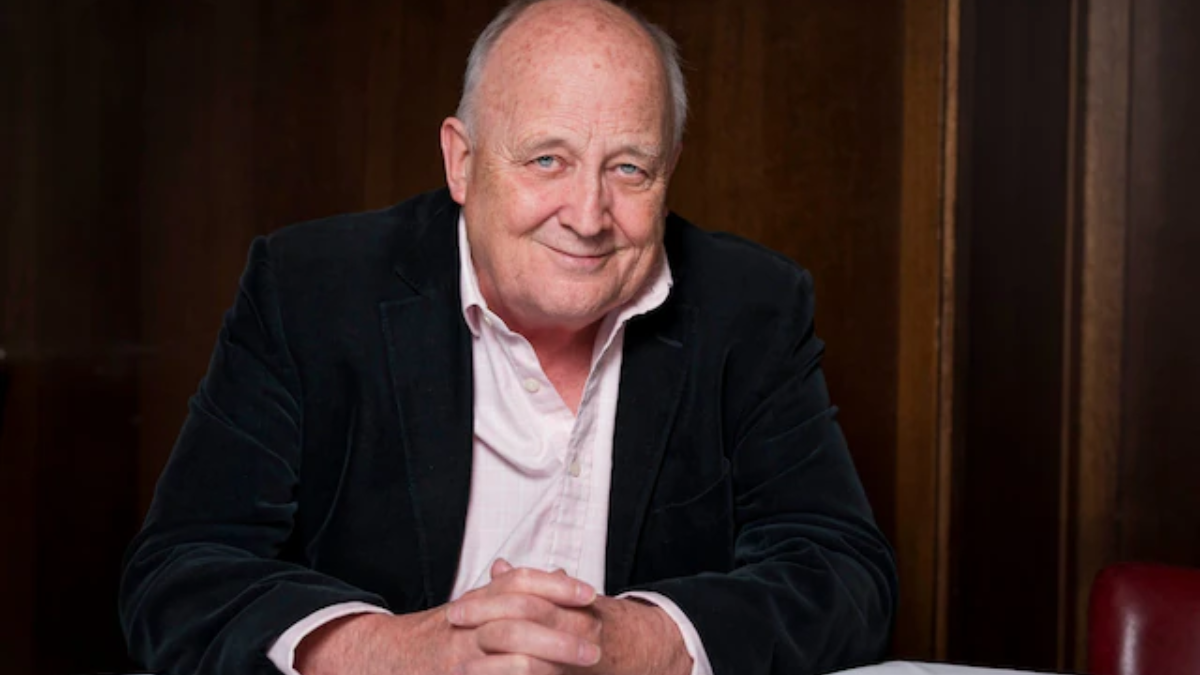
Television director turned clean‑energy entrepreneur Nick Abson has claimed that his hydrogen‑fuel‑cell technology has the potential to “power the world for free,” but that a once‑lofty $1 billion‑scale venture based on his work was abruptly “taken off air,” casting a long shadow over the UK’s hydrogen‑innovation pipeline. Abson, a former director of the long‑running BBC game show Countdown who later pivoted to clean‑energy ventures, argues that his fuel‑cell design can harness hydrogen in a way that slashes both production costs and energy-bill dependence, effectively transforming hydrogen into a near-zero marginal cost energy source if manufacturing and infrastructure deployment scale as he envisions. At the same time, he alleges that political and commercial interests moved against his project, causing a high‑value, nationally‑significant hydrogen play to be shelved or defunded, a narrative that now sits at the centre of a broader debate about how the UK governs, funds, and protects disruptive energy technologies from being prematurely sidelined.
Technical promise and the “free‑energy” claim
Abson’s claims rest on the long‑standing promise of hydrogen fuel cells: they convert hydrogen and oxygen directly into electricity, with water and heat as the primary byproducts, offering a theoretically clean, efficient, and versatile energy‑carrier if the hydrogen itself is produced from renewable sources. The UK already has a small but growing fuel‑cell sector, with companies focusing on portable generators, data-centre backup power, and niche-industrial applications, and many of the same players argue that hydrogen fuel-cell systems could compete with diesel gensets and lithium batteries once mass‑manufacturing and green‑hydrogen‑supply chains mature. Abson, however, elevates this mainstream‑narrative into a more radical‑vision: by re‑engineering the way his cells handle hydrogen integration and power conversion, he contends that the marginal cost of electricity falls so low that, once the infrastructure is built, the system can deliver power at effectively “zero” ongoing‑fuel‑cost to end‑users, even if the word “free” is used more as a slogan‑level‑provocation than a precise economic formula. From a legal-regulatory standpoint, this kind of promise taps into the UK’s stated commitments to clean‑energy‑law‑frameworks such as the Energy Act 2023, the Climate Change Act 2008, and the UK‑hydrogen‑strategy‑documents that encourage innovation in low‑carbon‑generation technologies. For a project of Abson’s alleged scale, however, such rhetoric would need to be substantiated by credible technical‑reports, third party validation, and a clear route‑to‑market‑and‑grid‑integration, otherwise it risks drifting into the territory of “green‑tech‑hype” that can attract regulatory‑scrutiny, especially from the UK’s Competition and Markets Authority and the Financial Conduct Authority, which watch for exaggerated investment prospectuses or misleading consumer energy claims. The Telegraph piece profiling Abson notes that the hydrogen sector is already fragile in the UK, with much of its private capital inflow coming from abroad, and that Abson has previously criticized the UK government for failing to provide the kind of consistent, long-term policy support needed to keep indigenous fuel cell firms competitive.
The $1bn venture and the “taken off air” accusation
The core of Abson’s grievance centres on a reported $1 billion‑scale hydrogen‑fuel‑cell project that he says was effectively “taken off air,” an expression that in his telling encompasses a mix of funding‑withdrawal, regulatory‑hurdles, and possibly political‑blocking, rather than a simple‑market‑failure. While public‑documents do not yet provide a complete, item by item chronology of the venture’s demise, his narrative aligns with well‑known pain‑points in the UK hydrogen and fuel cell ecosystem: high upfront capital costs, underdeveloped hydrogen refuelling and distribution networks, and the fact that the bulk of serious fuel-cell investment in the UK still comes from overseas investors rather than a robust domestic industrial finance base. If Abson’s project genuinely attracted a nine-digit level commitment, its collapse would represent not only a personal financial loss but also a missed opportunity node in the UK’s attempt to build a home-grown hydrogen manufacturing champion, an outcome that would sit uneasily with the government’s own public messaging on “level‑up” industrial policy and clean-energy-technology sovereignty. Legally, the “taken‑off‑air” phrasing points to a set of unresolved questions about state aid law, competition‑law, and public‑procurement‑transparency: whether any public grants, loans, or strategic partnerships were abruptly withdrawn; whether private financiers pulled back under pressure from regulators or geopolitical supply chain concerns; and whether Abson or his company received a clear, legally defensible reasoning document for why support was curtailed. In the absence of fuller disclosure, his story becomes a cautionary tale about the vulnerability of small to mid-sized hydrogen firms to sudden shifts in policy priorities and capital flows, and it feeds a broader political and media narrative that the UK is struggling to protect its most promising clean-energy innovations from being “killed” before they reach critical scale. For clean‑energy‑law‑practitioners and policy‑makers, Nick Abson’s claim is less about a single entrepreneur’s frustration and more about a systemic‑issue: the legal and institutional design of the UK’s innovation funding, hydrogen market design, and energy security frameworks, and whether they are robust enough to keep genuinely disruptive technologies from fuel-cell breakthroughs to other emergent zero-carbon solutions on the air, and in the market, long enough to reshape the UK’s energy landscape rather than disappear.