

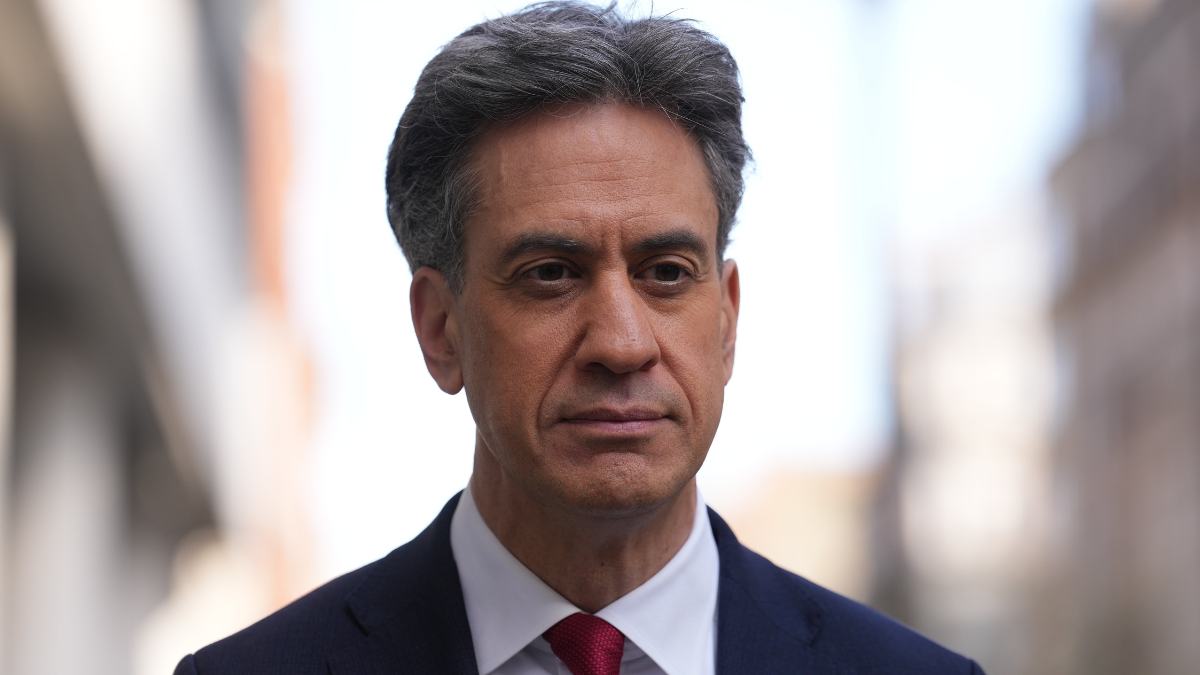
The government has rejected reports that Ed Miliband is preparing to approve the controversial Jackdaw North Sea gas field, saying the speculation is “unfounded” and that no final decision has been taken. The issue matters because Jackdaw sits at the intersection of Labour’s climate promises, energy security worries triggered by the Iran war, and a live quasi-judicial planning process that the minister must decide on according to law rather than party politics.
What the row is about
The immediate trigger is a report that Miliband, who has repeatedly argued for a rapid shift away from fossil fuels, may now be minded to approve Jackdaw because it already received prior consent under the Conservatives. That distinction is crucial. Labour promised not to issue new licences for unexplored fields, but the government says Jackdaw is different because it is not a fresh licensing decision in the strict sense. The legal catch is that approval of a project like Jackdaw cannot be made on political instinct alone. Miliband’s department says the decision will be made in a quasi-judicial way, meaning it must follow the evidence, planning record, and relevant environmental assessments rather than simply Labour’s manifesto language. That makes the row as much about administrative law as energy policy.
Why is the timing sensitive?
The timing is politically explosive because the Iran war has pushed energy prices higher and revived calls for domestic supply security. For critics, any move to green-light North Sea drilling looks like a retreat from Labour’s climate agenda. For supporters, it looks like pragmatic realism in a world where supply shocks can quickly hit households and industry. Jackdaw also sits in a broader North Sea debate. The previous Conservative approval was interrupted after a court appeal required a fresh environmental assessment, which means the project is still legally live rather than politically settled. That gives Miliband room to approve it without formally abandoning Labour’s position on new exploration, but it also exposes him to accusations of inconsistency if he does.
The political and legal stakes
This is where the legal and political risks collide. If Miliband approves Jackdaw, he may face backlash from climate campaigners who say Labour is watering down its net-zero stance. If he blocks it, he will face pressure from industry and some MPs who argue the government is ignoring energy security, jobs and the reality of price shocks triggered by conflict abroad. The government’s official line is that no decision has been taken and that the reported green light is speculation. That wording is deliberate. It preserves procedural neutrality while leaving open the possibility that the law and the prior consent may ultimately point toward approval. In practical terms, this is a classic example of how energy policy is now being shaped by legal process, climate politics, and geopolitical pressure all at once. So the real story is not simply whether Miliband will say yes or no. It is whether a Labour government can reconcile its climate promises with a world in which security shocks are forcing a rethink of what energy resilience actually means.