

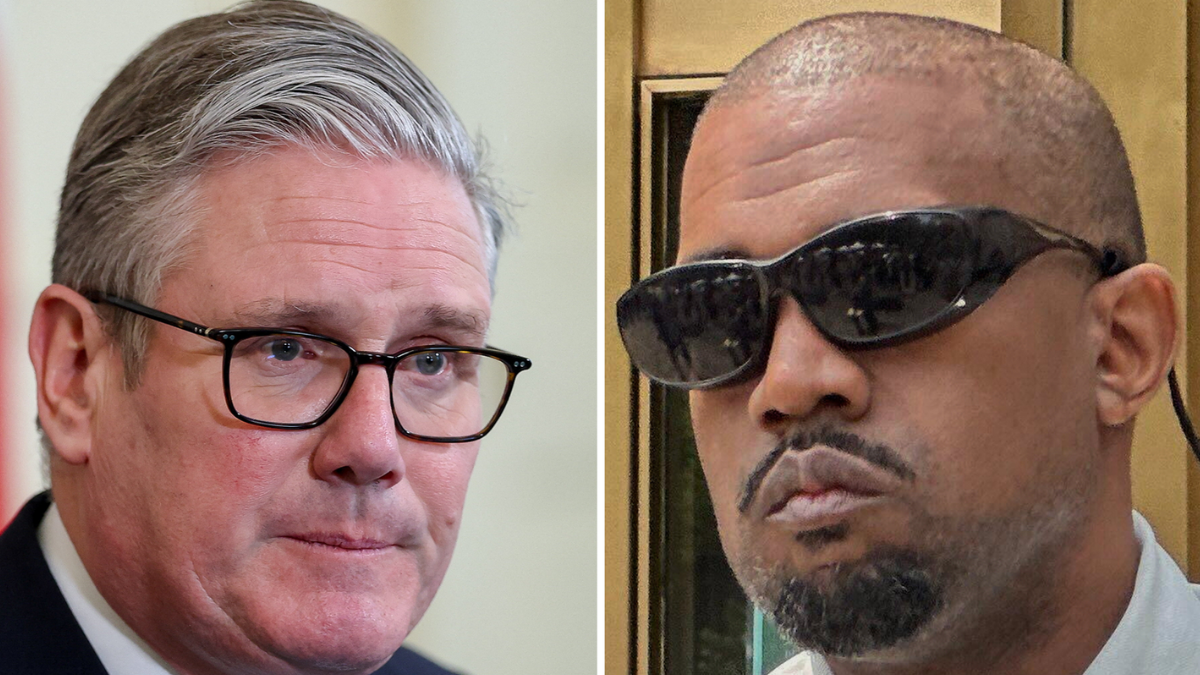
Sir Keir Starmer’s criticism of Wireless Festival organisers over their decision to book Kanye West as a headline act has turned a music booking into a much wider debate about antisemitism, public responsibility, and the limits of commercial freedom. The controversy matters because it is not just about whether an artist can legally perform, but whether major cultural institutions should knowingly give a central platform to someone whose previous remarks have caused deep offence and alarm across Jewish communities and the broader public.
Why the booking caused outrage
The core issue is that Kanye West’s history of antisemitic remarks makes any high-profile booking politically and socially explosive. Starmer’s criticism reflects a clear view that large public events cannot treat such conduct as irrelevant once the artist returns to the stage. In effect, the argument is that a headline slot is not a neutral commercial decision. It is also a public statement about whose voice is considered acceptable, influential, and worth elevating. Legally, there is no simple rule preventing organisers from booking a performer because of offensive past comments alone. But that does not end the matter. Event organisers, especially those staging major festivals in a city like London, are expected to understand the foreseeable impact of their choices. If the decision is likely to provoke legitimate concern among communities affected by antisemitism, then the question becomes one of responsible judgment rather than bare legality. That distinction is important because it shows how public and private actors can act within the law while still facing serious criticism for failing to meet wider standards of care.
The political and social stakes
Starmer’s intervention is also political. By speaking out, he is signalling that the government wants to be seen as firmly opposed to antisemitism in all its forms, including the kind that surfaces through mainstream entertainment and celebrity culture. That has broader significance because hate is not only expressed in speeches, social media posts, or formal politics. It can also be normalised through the prestige attached to mass cultural platforms. For the festival organisers, the likely defence is that booking decisions are based on artistic and commercial considerations, not on approval of the artist’s past statements. That may be true in a narrow business sense, but it is not enough to settle the broader controversy. Once a figure with such a record is placed at the top of a major event, the booking is inevitably read as a value judgement. The organisers may claim neutrality, but the public does not experience it that way. This is where the reputational cost becomes as important as the legal one. In modern public life, festivals, broadcasters, and venues are increasingly expected to consider equality implications before they make high-profile choices. When they fail to do so, they risk being seen as indifferent to harm, even if no law has technically been broken. The Wireless row shows how quickly a cultural decision can become a political test of judgment, responsibility, and moral seriousness.
The wider lesson for public events
The wider lesson is that headline acts are no longer just entertainment. They are symbols. In a climate where antisemitism is treated as a serious social threat, organisers cannot assume that commercial success will shield them from criticism. Starmer’s comments underline that public platforms carry public duties, even when they are run by private organisers. That does not mean every controversial performer should be banned. It does mean that institutions with major influence should think carefully about the message they send when they elevate someone whose past remarks have already caused distress. The Wireless controversy is therefore less about one concert than about the standards that should govern public culture in an age of heightened sensitivity to hate, harm, and accountability.