

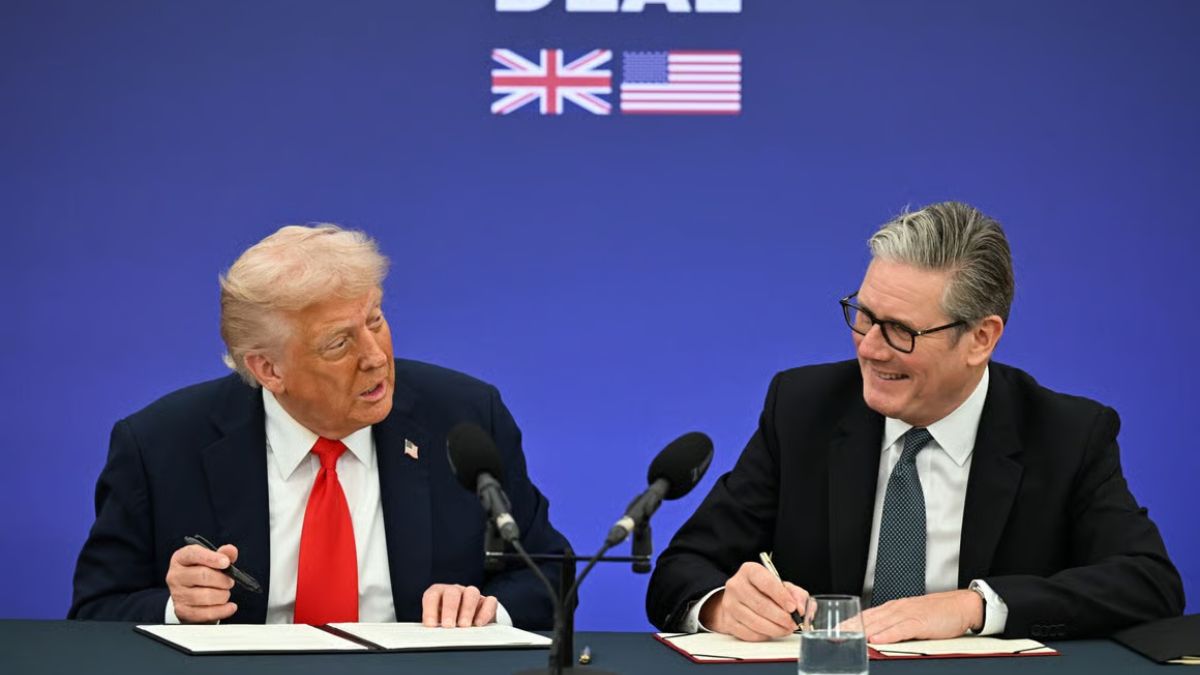
The United Kingdom has confirmed agreement on the full legal text of a pharmaceutical trade arrangement with the United States, marking a significant milestone in post Brexit trade strategy and transatlantic economic alignment. The agreement forms part of a broader bilateral trade framework concluded last year, but its pharmaceutical component stands out for its specificity, strategic importance, and immediate commercial implications. Under its terms, British manufactured medicines will enter the United States market free from tariffs for a guaranteed period of at least three years. This development effectively makes the United Kingdom the only country currently enjoying such preferential access in the highly regulated and commercially lucrative US pharmaceutical market.
Pharmaceuticals represent one of the most valuable segments of global trade, characterised by high value exports, stringent regulatory oversight, and complex supply chains. The United States remains the world’s largest pharmaceutical market, accounting for a substantial share of global consumption and revenue. Tariff elimination, even where baseline duties are relatively modest, carries outsized significance in this sector. It reduces cost barriers, enhances price competitiveness, and streamlines market entry for exporters. For British pharmaceutical firms, the agreement offers a direct competitive advantage over counterparts from jurisdictions that continue to face tariff or quasi tariff barriers. It also reinforces the United Kingdom’s position as a leading exporter of high value life sciences products.
The agreement must be understood within the broader context of Britain’s post Brexit trade policy. Since exiting the European Union, the United Kingdom has sought to establish independent trade relationships that reflect its strategic priorities and industrial strengths. The life sciences sector has been identified as a cornerstone of this strategy. By securing preferential access to the United States market, Britain is effectively leveraging its scientific base, regulatory credibility, and manufacturing capabilities to deepen economic ties with a key partner. This arrangement also signals a shift towards sector specific trade diplomacy, where targeted agreements in high value industries complement broader trade frameworks.
While tariff elimination is a central feature of the agreement, its practical impact will depend heavily on regulatory alignment and mutual recognition mechanisms. The pharmaceutical sector is governed by rigorous approval processes, quality standards, and compliance requirements. Ensuring that British products can seamlessly meet United States regulatory expectations will be critical to realising the full benefits of the agreement. Although the current announcement focuses on tariff provisions, it is likely that the broader partnership includes or anticipates cooperation on regulatory matters, data standards, and supply chain security.
The three year guarantee of zero tariff access introduces both opportunity and uncertainty. On the one hand, it provides a defined window during which British exporters can expand market share and establish stronger commercial footholds. On the other hand, the finite duration suggests that the arrangement may be subject to renegotiation or review, potentially linked to wider trade or political considerations. This temporal dimension underscores the importance of strategic utilisation. British firms and policymakers will need to maximise the advantages conferred during this period while preparing for potential shifts in the trade landscape.
The exclusivity of the arrangement is particularly noteworthy. By becoming the only country with tariff free access for medicines into the United States, the United Kingdom gains a distinct edge in a highly competitive global market. This may prompt responses from other major pharmaceutical exporters, including the European Union, India, and Switzerland, which could seek to negotiate similar terms or pursue alternative strategies to maintain competitiveness. The agreement thus has the potential to influence not only bilateral trade flows but also the broader configuration of global pharmaceutical supply chains.
From a policy perspective, the agreement reflects a convergence of trade, industrial, and health priorities. It demonstrates how targeted trade instruments can be deployed to support strategic sectors while reinforcing international partnerships. However, it also raises questions regarding sustainability, inclusivity, and global equity. Preferential arrangements of this nature may contribute to a more fragmented trade environment, where access to key markets is increasingly determined by bilateral agreements rather than multilateral rules. Looking ahead, the evolution of this partnership will be closely watched. Its success or limitations may shape future negotiations in the pharmaceutical sector and beyond.
The finalisation of the US UK pharmaceutical trade agreement marks a significant achievement for British trade policy and a notable shift in the dynamics of global pharmaceutical commerce. By securing tariff free access to the world’s largest medicines market, the United Kingdom has positioned itself at the forefront of transatlantic trade in life sciences. The challenge now lies in translating this preferential access into sustained economic and strategic gains. As global competition intensifies and trade frameworks continue to evolve, this agreement stands as both an opportunity and a test of Britain’s ability to navigate the complex interplay of trade policy, industrial strategy, and international cooperation.