

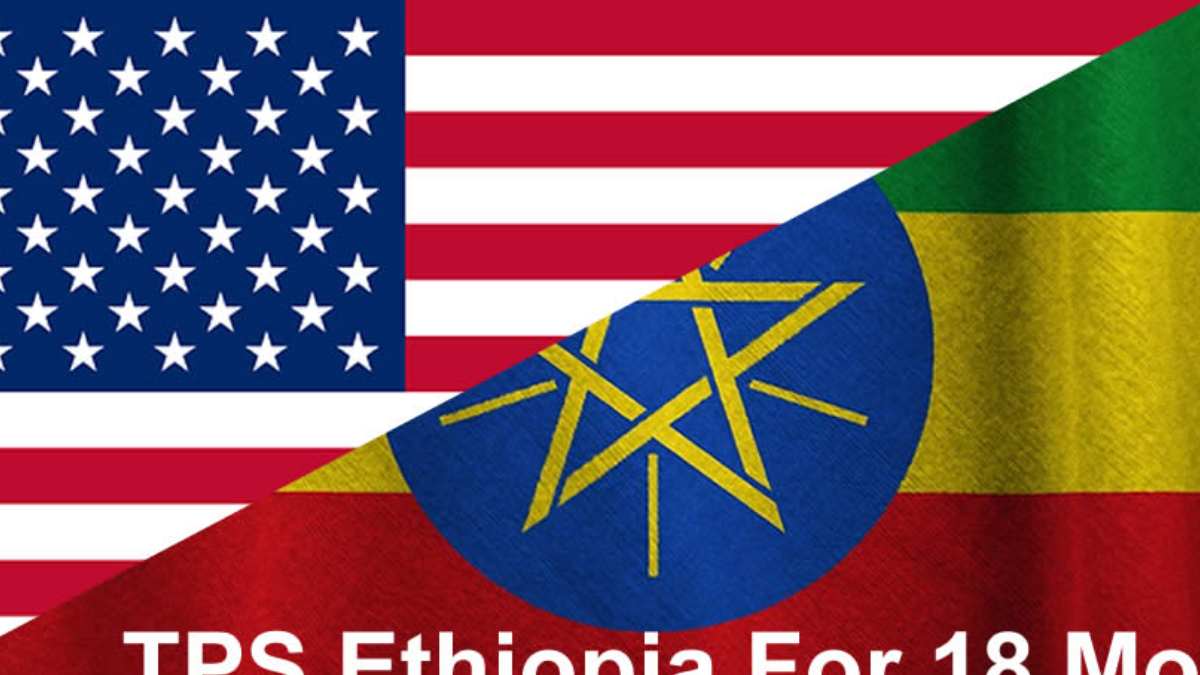
The decision by a federal court to block the attempt by the Donald Trump administration to terminate Temporary Protected Status for nationals of Ethiopia represents a significant moment in the intersection of immigration law, executive authority, and judicial oversight. This ruling underscores the enduring role of the judiciary in reviewing executive action, particularly in areas where humanitarian protection and statutory interpretation converge. Far from being a routine immigration dispute, the case raises fundamental questions about the limits of executive discretion, the protection of vulnerable populations, and the alignment of domestic policy with international norms.
The Legal Foundation of Temporary Protected Status
Temporary Protected Status, commonly referred to as TPS, is a statutory mechanism established under the Immigration and Nationality Act, which allows the United States to grant temporary legal protection to nationals of countries experiencing armed conflict, environmental disaster, or other extraordinary conditions. The authority to designate and terminate TPS rests with the executive branch, specifically the Department of Homeland Security. However, this authority is not absolute. Decisions regarding TPS must be grounded in an объектив assessment of country conditions and must comply with procedural requirements, including reasoned decision making. The termination of TPS for Ethiopia therefore required a demonstrable improvement in conditions sufficient to justify the withdrawal of protection.
Judicial Review and the Limits of Executive Discretion
The intervention by the federal judiciary reflects the application of administrative law principles, particularly those embodied in the Administrative Procedure Act. Courts are empowered to review executive decisions to ensure that they are not arbitrary, capricious, or contrary to law. In blocking the termination of TPS for Ethiopia, the court likely identified deficiencies in the decision making process, such as inadequate consideration of current conditions or failure to provide a rational explanation. This highlights the judiciary’s role as a safeguard against executive overreach, ensuring that policy decisions remain within the bounds of legality. The ruling also reinforces the principle that immigration policy, while politically sensitive, is subject to legal constraints that cannot be disregarded in pursuit of policy objectives.
Humanitarian Protection and International Legal Context
The concept of Temporary Protected Status is closely aligned with broader principles of international protection, including those recognised within the framework of the United Nations. While TPS is a domestic legal mechanism, it reflects the humanitarian imperative to protect individuals from return to unsafe conditions. The situation in Ethiopia, characterised by internal conflict and humanitarian challenges, provides a factual backdrop that informs the legal analysis. Terminating TPS in such circumstances raises concerns about the risk of refoulement, a principle under international law that prohibits the return of individuals to situations where they may face harm. Although the United States is not formally bound by all aspects of international refugee law in the TPS context, these norms influence judicial interpretation and policy evaluation.
Separation of Powers and Institutional Balance
The case illustrates the dynamic interaction between the executive and judicial branches in the United States constitutional system. While the executive possesses significant authority over immigration, this authority is subject to judicial review to ensure compliance with statutory and constitutional requirements. The blocking of the TPS termination reflects a recalibration of this balance, emphasising that executive discretion must be exercised within a framework of accountability. This serves to reinforce the legitimacy of the legal system and the protection of individual rights.
Practical Implications for Ethiopian Nationals
For Ethiopian nationals residing in the United States under TPS, the court’s decision provides immediate relief and continuity of legal status. This has significant practical implications, including the ability to work legally, access services, and remain protected from removal. However, the temporary nature of TPS means that uncertainty persists. Future policy decisions and legal challenges may alter the status of beneficiaries, highlighting the need for more स्थिर and comprehensive solutions within immigration law.
Broader Impact on United States Immigration Policy
The ruling may have broader implications for the administration of TPS and similar programmes. It signals to policymakers that decisions must be supported by robust evidence and clear reasoning, particularly when they affect vulnerable populations. The case may also influence future litigation, as courts continue to scrutinise the exercise of executive authority in immigration matters. This could lead to a more cautious and legally grounded approach to policy changes.
Conclusion: Law as a Check on Policy Ambition
The federal court’s decision to block the termination of Temporary Protected Status for Ethiopia demonstrates the enduring strength of legal oversight in the face of executive action. It reaffirms the principle that immigration policy, while shaped by political priorities, must remain consistent with statutory mandates and humanitarian considerations. In a broader sense, the case highlights the role of law as a stabilising force within governance, ensuring that decisions affecting individuals and communities are grounded in reason, evidence, and respect for established norms.